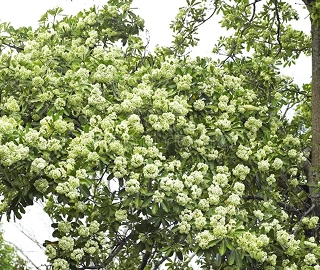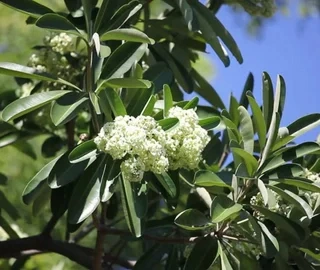

Blackboard Tree: Unveiling the Secrets of Nature's Hidden Gem for Your Garden

Aadusa Tree - Medicinal Plant

Blackboard Tree: Nature's Hidden Gem and Ecological Treasure

The Blackboard Tree (Brachychiton acerifolius), also known as the Illawarra Flame Tree, is a native Australian species prized for its striking red or orange flowers, maple-like leaves, and ecological importance. It thrives in urban gardens, parks, and drought-prone areas, contributing to biodiversity and environmental sustainability.

In this guide, we explore the Blackboard Tree’s scientific characteristics, historical significance, environmental contributions, cultivation tips, and the initiatives of organizations like Grow Billion Trees Partners in promoting its conservation.

Scientific Classification and Characteristics

  • Height: Up to 30 meters tall.
  • Flowers: Striking red or orange blooms in late spring and summer.
  • Leaves: Broad, maple-like leaves forming a lush canopy.
  • Water Storage: Can store water in the trunk, helping it survive drought conditions.
  • Family: Sterculiaceae.

Fun Facts About Blackboard Tree

  • Also called the Illawarra Flame Tree due to its fiery flowers.
  • Produces large woody pods containing seeds, historically used as “blackboards” or in crafts.
  • Rapid growth: Can mature in 10–15 years under optimal conditions.
  • Attracts pollinators including birds and bees.
  • Indigenous Australians used various parts of the tree for medicinal and practical purposes.

Historical Significance

The Blackboard Tree holds cultural and practical importance for Indigenous Australians. Its timber was used for tools and weapons, while seeds provided a food source. European settlers recognized its ornamental potential and planted it in gardens and urban parks, making it a staple of landscaping in Australia and abroad.

Environmental Impact

  • Helps prevent soil erosion with its extensive root system.
  • Supports biodiversity by providing food and habitat for birds, insects, and other wildlife.
  • Sequesters carbon dioxide, contributing to climate change mitigation.
  • Thrives in drought-prone areas, supporting resilient urban and natural ecosystems.

Cultivation Tips

  • Soil: Prefers well-drained soils, sandy or loamy.
  • Sunlight: Full sun for at least 6 hours daily for vibrant blooms.
  • Watering: Regular watering for young trees; drought-tolerant when mature.
  • Fertilization: Apply balanced fertilizer during growing season for optimal growth.
  • Pruning: Remove dead or diseased branches and shape canopy as needed.

Role of Grow Billion Trees Partners

  • Community Engagement: Involves local communities in tree planting and awareness programs.
  • Education & Training: Provides knowledge on sustainable planting and tree care.
  • Partnerships: Collaborates with governments and NGOs for large-scale conservation projects.
  • Monitoring & Evaluation: Tracks tree health and growth to ensure long-term success.

Conclusion

The Blackboard Tree is more than a visual marvel; it is an ecological asset that enhances biodiversity, prevents soil erosion, and mitigates climate change. By supporting initiatives like Grow Billion Trees Partners, we can ensure that this remarkable tree continues to thrive in gardens, urban landscapes, and natural ecosystems alike.

Planting and protecting the Blackboard Tree helps foster a sustainable environment, enriches local habitats, and connects people with nature. Embracing this hidden gem allows future generations to enjoy its beauty and ecological benefits.

Aadusa Tree Leaves - Medicinal Properties
Aadusa Tree Environmental Benefits

Blackboard Tree: Australia’s Fiery Gem and Ecological Champion

The Blackboard Tree (Brachychiton acerifolius), also known as the Illawarra Flame Tree, is a native Australian species admired for its striking red or orange flowers, broad maple-like leaves, and ecological importance. It thrives in urban gardens, parks, and drought-prone areas, contributing to biodiversity and environmental sustainability.

In this guide, we explore the Blackboard Tree’s scientific characteristics, historical significance, environmental benefits, cultivation requirements, and the initiatives of organizations like Grow Billion Trees Partners in promoting its conservation.

Scientific Characteristics

  • Height: Up to 30 meters tall.
  • Flowers: Brilliant red or orange flame-like blooms in late spring and summer.
  • Leaves: Broad, maple-like canopy providing shade and visual appeal.
  • Water Storage: Stores water in its trunk, enabling survival in drought-prone areas.
  • Family: Sterculiaceae.

Fun Facts & Ecological Role

  • Drought Tolerance: Thrives in dry conditions due to trunk water storage.
  • Pollinator Magnet: Flowers attract bees, birds, and butterflies, supporting local biodiversity.
  • Fast-Growing: Can reach maturity in 10–15 years under optimal conditions.
  • Medicinal Uses: Indigenous Australians used bark for natural remedies and healing purposes.
  • Carbon Sequestration: Helps mitigate climate change by absorbing carbon dioxide.

Historical Significance

The Blackboard Tree holds cultural importance for Indigenous Australians, who revered it for both beauty and practical uses, including tools, medicine, and food. European settlers recognized its ornamental value and began planting it in gardens, parks, and urban landscapes, spreading its legacy worldwide.

Environmental Impact

  • Prevents soil erosion through its extensive root system.
  • Provides shelter and food for wildlife, enhancing biodiversity.
  • Sequesters carbon dioxide, aiding in climate change mitigation.
  • Supports ecosystem restoration by thriving in drought-prone or degraded areas.

Cultivation Tips

  • Soil: Prefers well-drained sandy or loamy soils.
  • Sunlight: Full sun for at least six hours daily for optimal flowering.
  • Watering: Regular watering for young trees; drought-tolerant once mature.
  • Fertilization: Balanced fertilizer during the growing season promotes growth and vibrant blooms.
  • Pruning: Remove dead or diseased branches and shape canopy as needed.

Role of Grow Billion Trees Partners

  • Community Engagement: Involves locals in tree planting and environmental awareness programs.
  • Education & Training: Provides sustainable forestry guidance and tree care training.
  • Partnerships: Collaborates with governments and NGOs to enhance conservation efforts.
  • Monitoring & Evaluation: Ensures planted trees thrive through ongoing health checks and growth tracking.

Conclusion

The Blackboard Tree is more than a visually striking species—it is a resilient, ecologically significant tree that supports biodiversity, prevents soil erosion, and contributes to climate change mitigation. Planting and protecting this species fosters sustainable landscapes and thriving ecosystems.

By supporting initiatives from organizations like Grow Billion Trees Partners, we can ensure that Blackboard Trees continue to provide environmental, cultural, and educational benefits for generations to come.

FAQs

What is the Blackboard Tree?

The Blackboard Tree (Brachychiton acerifolius) is a native Australian tree known for its striking red and orange flowers. It supports wildlife, provides water storage, and helps combat climate change.

Where does the Blackboard Tree grow?

It thrives in eastern Australia, especially the Illawarra region, in well-drained sandy or loamy soils with full sunlight exposure.

How tall can the Blackboard Tree grow?

It can reach up to 30 meters tall, typically maturing within 10–15 years.

What are the unique features of the Blackboard Tree?

Its flame-like flowers, broad maple-like leaves, and water-storing trunk make it a drought-resistant and visually stunning tree.

What wildlife benefits from the Blackboard Tree?

Birds, bees, and other pollinators are attracted to its flowers and fruits, supporting local biodiversity and ecosystem health.

Can I grow a Blackboard Tree in my garden?

Yes! Plant it in well-drained soil with full sun. Young trees require regular watering, but mature trees are low-maintenance.

What are the medicinal uses of the Blackboard Tree?

Indigenous Australians have used its bark for medicinal purposes, such as treating ailments naturally.

How does the Blackboard Tree combat climate change?

It sequesters carbon, helping reduce greenhouse gases and contributing to environmental sustainability.

How does the Blackboard Tree prevent soil erosion?

Its extensive root system stabilizes soil along riverbanks and landscapes, preventing erosion and maintaining healthy ground.

What is Grow Billion Trees Partners?

It is an organization focused on tree-planting initiatives worldwide, including the Blackboard Tree, promoting reforestation and sustainable ecosystems.

How can I support the conservation of the Blackboard Tree?

You can plant a Blackboard Tree or donate to organizations like Grow Billion Trees Partners to help protect and promote this species.

logo
back top