


Mango Tree
Mango Tree: A Verdant Legacy of Sweet Abundance
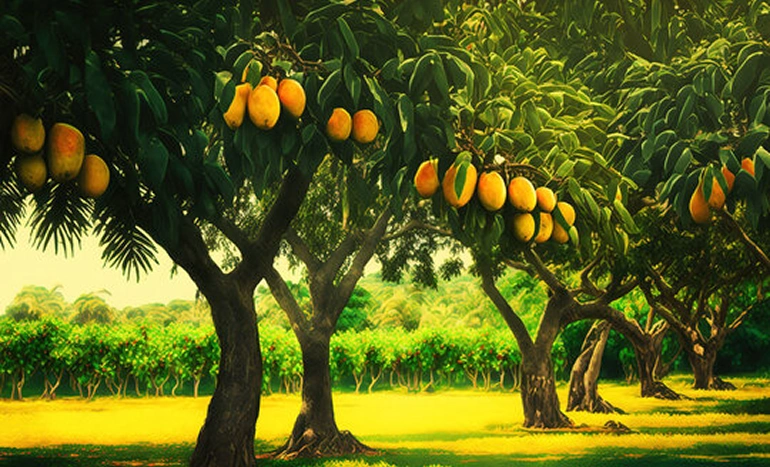
Taxonomy and Botanical Features
- Scientific Name: Mangifera indica
- Family: Anacardiaceae
- Mango trees can grow up to 100 feet tall and have dense, evergreen foliage.
- The fruit varies in size, shape, and color, ranging from small and round to large and oval, and from green to yellow, orange, or red when ripe.
- Mangoes have a single large seed surrounded by sweet, juicy flesh.
Historical and Cultural Significance
Medicinal Properties and Traditional Uses
Agricultural Applications
Modern Scientific Research
Environmental Impact and Sustainability
Economic Importance
Conservation Status and Future Prospects
Conclusion
References
Mango Nutrition
Mango Varieties
Mango Recipes
Mango Health Benefits
Mango Season
Mango Farming
Mango Tree
Mango Origin
Mango Season in India
Mango Allergy
FAQ
What are the most popular varieties of mangoes grown in India?
India boasts a diverse range of mango varieties, with some of the most popular ones being Alphonso, Dasheri, Langra, Kesar, and Totapuri. Each variety has its unique flavor, texture, and aroma, making them prized for different culinary purposes.
01
When is the mango season in India?
The mango season in India typically starts from late March and extends until July or August, varying slightly depending on the region and the specific variety of mango. During this time, markets are flooded with fresh, ripe mangoes, delighting mango enthusiasts across the country.
02
How are mangoes grown in India?
Mangoes in India are primarily cultivated through traditional methods, with farmers planting mango saplings in well-drained soil and providing regular irrigation and care. Many farmers also use organic or sustainable farming practices to ensure the health and quality of the mango trees and fruits.
03
What are the environmental benefits of mango cultivation?
Mango cultivation contributes to environmental sustainability by providing green cover, preventing soil erosion, and promoting biodiversity. Mango trees act as carbon sinks, absorbing carbon dioxide from the atmosphere and mitigating climate change.
04
What are the nutritional benefits of mangoes?
Mangoes are rich in vitamins, minerals, and antioxidants, making them a nutritious addition to any diet. They are particularly high in vitamin C, vitamin A, and fiber, which support immune function, eye health, and digestion, respectively.
05
How can I ripen mangoes at home?
To ripen mangoes at home, place them in a paper bag with a ripe banana or apple and leave them at room temperature for a few days. The ethylene gas released by the banana or apple will help speed up the ripening process.
06
How should I store ripe mangoes?
Ripe mangoes should be stored in the refrigerator to slow down the ripening process and prolong their shelf life. Place them in the crisper drawer or in a plastic bag to prevent them from absorbing odors from other foods.
07
What are some delicious recipes using mangoes?
Mangoes can be used in a variety of sweet and savory dishes, including mango salsa, mango lassi, mango ice cream, and mango chutney. Their natural sweetness and vibrant flavor add a tropical twist to any recipe.
08
Are there any health risks associated with eating mangoes?
While mangoes are generally safe to eat, some people may experience an allergic reaction to them, particularly to the sap or peel. Additionally, overconsumption of mangoes may cause digestive issues due to their high fiber content.
09
How can I support sustainable mango cultivation in India?
You can support sustainable mango cultivation in India by choosing organic or sustainably grown mangoes, supporting fair trade practices, and advocating for policies that promote environmental conservation and farmer welfare.
10
What is the economic impact of mango cultivation in India?
Mango cultivation plays a significant role in the Indian economy, providing employment opportunities for millions of farmers and workers, supporting rural livelihoods, and contributing to agricultural exports and revenue.
11
How can I get involved in mango tree planting initiatives in India?
You can get involved in mango tree planting initiatives in India by partnering with organizations like GrowBillionTrees.com, participating in tree planting drives and community events, or donating to reforestation projects aimed at restoring mango orchards and biodiversity.
12
Your Suggestions
Leave your message and we'll get back to you shortly.