

Sandalwood Tree
Sandalwood Tree: The Fragrance of Forests
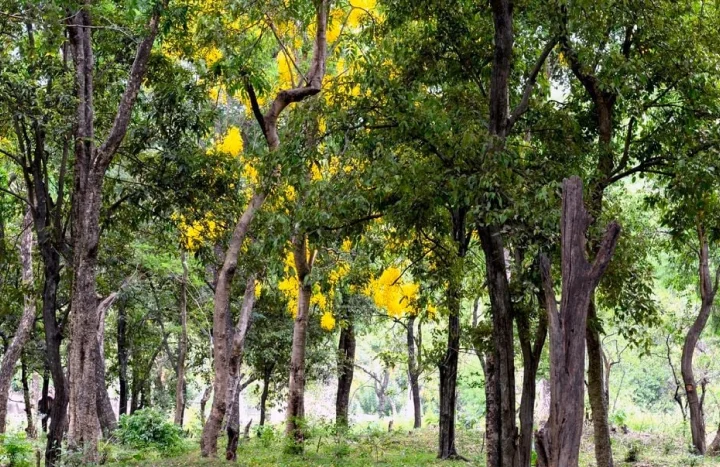
Sandalwood Tree: The Fragrance of Forests
1. Botanical Marvel
2. Cultural Heritage
3. Ecological Importance
4. Medicinal & Practical Benefits
5. Economic Significance
6. Conservation Challenges
7. Historical Legacy
8. Future Sustainability
Conclusion
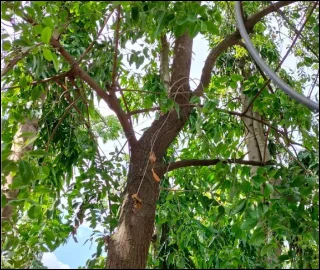
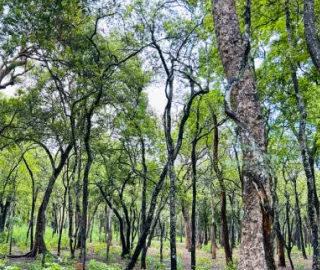
Sandalwood Tree: The Fragrance of Forests
Botanical Marvel
Cultural Heritage
Medicinal Uses
Aromatic and Commercial Value
Ecological Importance
Conservation Challenges
Heartwood Production
Care and Cultivation
Wildlife and Biodiversity
Symbolism and Cultural Significance
Conclusion
What is a Sandalwood Tree?
The Sandalwood Tree (Santalum album) is a fragrant evergreen tree native to India and Southeast Asia, valued for its aromatic heartwood and oil used in perfumes, cosmetics, and religious rituals.
Where are Sandalwood Trees typically found?
They thrive in tropical and subtropical regions, including India, Sri Lanka, Indonesia, Australia, and the Pacific Islands, growing in forests, woodlands, and scrublands.
How tall can a Sandalwood Tree grow?
Typically, Sandalwood trees grow 4 to 9 meters, but under optimal conditions, they can reach 12 meters.
What climate do Sandalwood Trees prefer?
They prefer warm tropical climates with well-defined wet and dry seasons, temperatures of 20°C–30°C, and annual rainfall of 600–2,000 mm.
How long until a Sandalwood Tree produces heartwood?
It takes around 15–20 years for Sandalwood trees to develop the aromatic heartwood suitable for harvesting and oil extraction.
How is Sandalwood harvested?
Harvesting involves carefully extracting heartwood from mature trees and processing it to obtain valuable essential oil without harming the surrounding ecosystem.
Is Sandalwood oil extracted from the heartwood?
Yes, the oil is obtained through steam distillation of the heartwood, which contains high concentrations of aromatic compounds.
What is the economic importance of Sandalwood Trees?
Sandalwood heartwood and oil are highly valuable for perfumes, cosmetics, aromatherapy, and traditional medicine, supporting regional economies and livelihoods.
Are Sandalwood Trees endangered?
Overexploitation, habitat loss, and illegal logging have made some Sandalwood species endangered. Sustainable management is essential for their preservation.
Do Sandalwood Trees have cultural significance?
Yes, they are sacred in India and Southeast Asia, used in rituals, ceremonies, and traditional medicine, symbolizing purity and spirituality.
What pests and diseases affect Sandalwood Trees?
Common pests include scale insects, mealybugs, and shoot borers. Diseases like root rot and leaf spot can also affect growth and heartwood quality.
Can Sandalwood Trees be grown outside their native range?
Yes, with proper soil, climate, and management practices, Sandalwood can be cultivated in suitable areas worldwide.
How do Sandalwood Trees propagate?
Propagation is done through seeds, cuttings, or tissue culture, with seeds germinated under controlled conditions before field transplantation.
What are the environmental benefits of Sandalwood Trees?
They help sequester carbon, stabilize soil, conserve water, and provide habitat for wildlife, supporting biodiversity and ecosystem health.
What are the uses of Sandalwood?
Sandalwood is used in perfumes, cosmetics, aromatherapy, incense, and traditional medicine for its rich fragrance and therapeutic properties.
What is the significance of Sandalwood in Ayurveda?
It is used for its cooling, soothing, and anti-inflammatory properties, benefiting skin care, respiratory health, and stress relief.
Are there different Sandalwood varieties?
Yes, species like Indian Sandalwood (Santalum album), Australian Sandalwood (Santalum spicatum), and Pacific Sandalwood (Santalum austrocaledonicum) differ in fragrance and heartwood quality.
How does Sandalwood cultivation benefit local communities?
Cultivation generates income and employment, supporting rural livelihoods from seedling production to processing and marketing of Sandalwood products.
What are the challenges in Sandalwood cultivation?
Challenges include long maturation periods, susceptibility to pests, and limited quality planting material, requiring sustainable practices and research.
Is Sandalwood cultivation environmentally sustainable?
Yes, when practiced with agroforestry and silvicultural methods that protect biodiversity, soil, and water. Unsustainable harvesting must be avoided.
Your Suggestions
Leave your message and we'll get back to you shortly.