


False White Teak Tree
False White Teak Tree: The Hidden Threat to Your Garden and How to Identify It
Understanding the False White Teak Tree
Identifying the False White Teak Tree
- Leaves: The leaves are large, glossy, and typically have a smooth texture. They are arranged oppositely along the stem, which is a distinguishing feature.
- Bark: The bark is light gray and smooth when young but becomes rough and fissured with age.
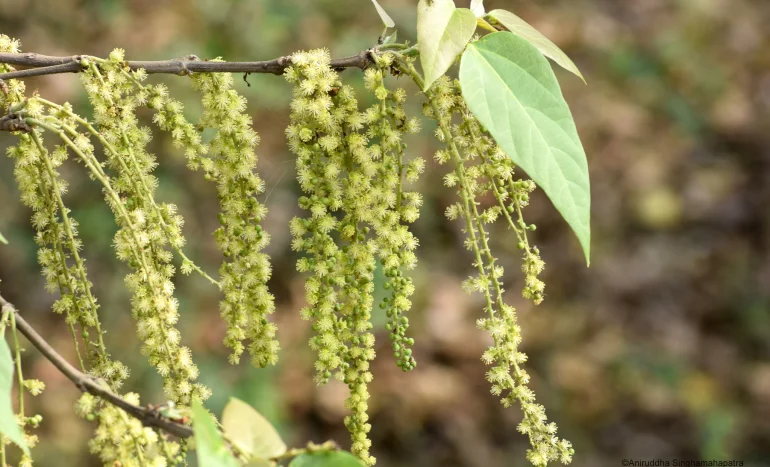
- Flowers: The tree produces clusters of small, white to yellow flowers, which bloom in the spring. These flowers are fragrant and attract various pollinators.
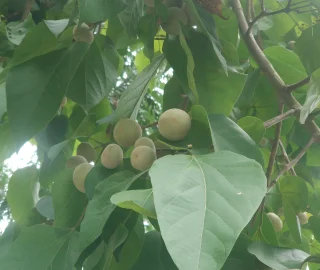
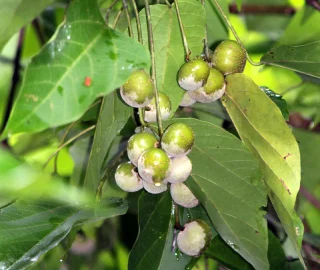
- Fruit: The fruit is a small, round capsule that contains several seeds. These capsules can be dispersed by wind, contributing to the tree's invasive potential.
Environmental Impact
- Biodiversity Loss: The False White Teak Tree competes aggressively with native plants for sunlight, water, and nutrients. This competition can lead to the decline or extinction of native species, which are often less resilient and adapted to local conditions.
- Soil Degradation: The tree's root system can alter soil composition and nutrient availability, making it less hospitable for native flora. This degradation can have long-term effects on soil health and overall ecosystem stability.
- Wildlife Disruption: Many local wildlife species depend on native plants for food and habitat. The dominance of the False White Teak Tree can lead to a decline in native fauna, as their food sources diminish.
- Increased Fire Risk: The dense growth of False White Teak Trees can increase the risk of wildfires, particularly in regions where the tree has become established. Its leaves can create a thick layer of fuel that is prone to ignition.
Historical Context
Fun Facts about the False White Teak Tree
- The False White Teak Tree can grow up to 3 meters in a single year under optimal conditions, making it one of the fastest-growing tree species.
- Its wood is often used in furniture making and construction due to its durability and resistance to decay.
- The tree is also valued for its medicinal properties in traditional medicine, where various parts of the plant are used to treat ailments.
- In some cultures, the tree is considered sacred and is used in religious ceremonies.
Tree Donate Partners: A Commitment to the Environment
How Tree Donate Partners Executes and Promotes Projects
- Community Engagement: They work closely with local communities to raise awareness about the importance of native species and the threats posed by invasive plants. Educational workshops and outreach programs empower residents to take action in their gardens and local parks.
- Partnerships with Local Organizations: Collaborating with local environmental groups, schools, and government agencies, Tree Donate Partners creates a network of support for reforestation efforts. These partnerships enhance the impact of their initiatives and ensure that they are culturally and ecologically appropriate.
- Research and Monitoring: The organization conducts research to identify the best native species for specific regions, ensuring that their planting efforts are effective. They also monitor the health of newly planted trees to assess their growth and survival rates.
- Advocacy for Policy Change: Tree Donate Partners advocates for policies that protect native ecosystems and regulate the planting of invasive species. By working with policymakers, they strive to create a supportive legislative environment for conservation efforts.
- Utilizing Technology: The organization leverages technology to map areas of need, track planting progress, and engage volunteers. This data-driven approach enhances their efficiency and effectiveness.
Conclusion
False White Teak Tree Identification
Invasive Species Impact
Biodiversity Loss
Soil Degradation
Wildlife Disruption
Fire Risk
Economic Value of False White Teak
Restoration Efforts
Community Engagement
Research and Monitoring
Advocacy for Policy Change
FAQ
What is the False White Teak Tree?
A botanical imposter, the False White Teak Tree, or Gmelina arborea, is a fast-growing tree from Southeast Asia that charms with its beauty but wreaks havoc on local ecosystems. It's the tree equivalent of a party crasher, stealing the spotlight and resources from native plants.
01
How can I identify the False White Teak Tree?
Spotting this invasive villain is key to saving your garden! Look for its large, glossy leaves, light gray bark that ages into rough fissures, fragrant clusters of small white to yellow flowers, and its round capsules filled with seeds. It's like nature's version of a "Wanted" poster!
02
Why is the False White Teak Tree considered invasive?
This tree is a resource hog, outcompeting native plants for sunlight, water, and nutrients. Its rapid growth allows it to dominate landscapes, leading to biodiversity loss. Think of it as the overachiever in a group project, overshadowing the native flora and causing ecological chaos.
03
What are the environmental impacts of the False White Teak Tree?
The impacts are dramatic! This tree disrupts local ecosystems by causing biodiversity loss, degrading soil health, disrupting wildlife habitats, and increasing fire risks. It’s like a bad neighbor who throws loud parties every night, disturbing the peace for everyone else.
04
What historical context surrounds the False White Teak Tree?
”—turns out, a lot when it comes to local ecosystems!
05
How does the False White Teak Tree affect local wildlife?
This tree's dominance can lead to a decline in native fauna, as local wildlife depends on native plants for food and habitat. It’s like a buffet where only one dish is served—everyone else goes hungry when the False White Teak takes over.
06
What is Tree Donate Partners doing about the False White Teak Tree?
This organization is on a mission, aiming to plant one billion trees globally, prioritizing native species to combat invasive threats like the False White Teak Tree. They’re the eco-warriors fighting for biodiversity, one tree at a time!
07
How does Tree Donate Partners engage communities?
They roll up their sleeves and work directly with local communities, educating them about the importance of native species and the dangers of invasive plants. It’s grassroots activism, turning the tide against ecological villains with knowledge and passion!
08
What partnerships does Tree Donate Partners form?
Collaborating with local organizations, schools, and government agencies, they create a network of support for reforestation efforts. It’s a community effort, proving that teamwork makes the dream work when it comes to restoring native ecosystems!
09
How does Tree Donate Partners utilize technology?
They’re not just planting trees; they’re using tech to map areas of need, track progress, and engage volunteers. It’s a data-driven approach that ensures they’re planting the right trees in the right places—because even trees need a plan!
10
What are some fun facts about the False White Teak Tree?
This speedy grower can shoot up to 3 meters in a year, has durable wood prized for furniture, boasts medicinal properties, and even has sacred significance in some cultures. It’s a tree with a resume that’s hard to ignore, but also one to beware!
11
Your Suggestions
Leave your message and we'll get back to you shortly.