


Chinese Tallow Tree: The Controversial Beauty Transforming Landscapes
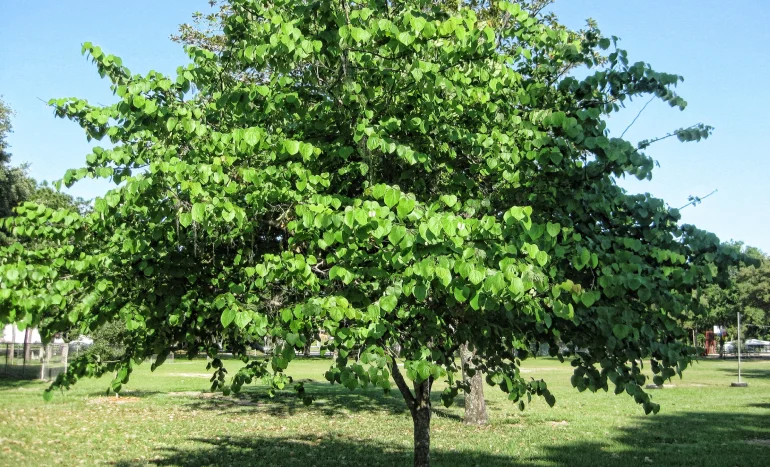
Chinese Tallow Tree - Controversial Landscape Beauty

The Chinese Tallow Tree, scientifically known as Triadica sebifera, is a deciduous tree native to eastern Asia, particularly China and Taiwan. Introduced to the United States in the 18th century, the tree has gained notoriety for its rapid growth and adaptability. While celebrated for its ornamental beauty and utility, it has also sparked controversy due to its invasive nature and ecological impacts.

Botanical Profile of Chinese Tallow Tree

  • Scientific Name: Triadica sebifera
  • Family: Euphorbiaceae
  • Native Region: Eastern Asia (China, Taiwan)
  • Common Names: Popcorn Tree, Tallow Tree

Understanding the Chinese Tallow Tree

The Chinese Tallow Tree is often admired for its striking appearance. With its heart-shaped leaves that turn vibrant shades of yellow, orange, and red in the fall, it adds a splash of color to landscapes. The tree can grow up to 30 feet tall and features a broad, rounded crown, making it a popular choice for parks and gardens.

  • Height: Up to 30 feet tall
  • Crown: Broad, rounded shape
  • Leaves: Heart-shaped, vibrant fall colors
  • Flowers: Small white blooms in spring
  • Seeds: Popcorn-like capsules
  • Growth: Rapid growth and high adaptability

Historical Context

The introduction of the Chinese Tallow Tree to the United States dates back to the 1700s. Initially, it was brought over for its potential as a source of oil and as an ornamental tree. The seeds contain high oil content, which can be extracted for soap production and biofuel.

However, the tree's rapid growth and ability to thrive in diverse environments soon led to its classification as an invasive species in many regions, particularly in the southeastern United States, where it outcompetes native vegetation.

Ecological Impact

The ecological impact of the Chinese Tallow Tree is a subject of heated debate among environmentalists and ecologists. While the tree can provide some benefits, its invasive nature poses significant threats to native ecosystems that cannot be ignored.

  • Displacement of Native Species: Outcompetes native plants for resources
  • Soil Chemistry Alteration: Leaf litter changes soil nutrient composition
  • Reduced Biodiversity: Creates monocultures that disrupt ecosystems
  • Limited Wildlife Support: Doesn't support native wildlife diversity
  • Rapid Spread: Quickly establishes in new areas
  • Ecosystem Disruption: Cascading effects on local ecology

Fun Facts About Chinese Tallow Tree

  • Popcorn Tree: Named for seed capsules resembling popcorn
  • High Oil Content: Seeds contain valuable oils for various uses
  • Toxic Properties: Can be harmful to certain animals and livestock
  • Biofuel Potential: Being studied as renewable energy source
  • Rapid Colonizer: Can quickly dominate new environments
  • Ornamental Appeal: Popular for its vibrant fall colors

How Grow Billion Trees Manages Invasive Species

Given the Chinese Tallow Tree's invasive status, organizations like Grow Billion Trees Partners work diligently to manage its spread while promoting reforestation and responsible land management in affected areas through strategic initiatives.

  • Community Education: Workshops about invasive species impacts
  • Native Species Promotion: Planting native trees that support ecosystems
  • Ecosystem Restoration: Rehabilitating areas affected by invasives
  • Monitoring Programs: Tracking invasive species spread and impact
  • Research Collaboration: Studying effective management strategies
  • Sustainable Land Management: Promoting balanced ecosystems

Why Manage Chinese Tallow Trees?

  • Biodiversity Protection: Preserving native plant communities
  • Ecosystem Health: Maintaining balanced natural systems
  • Wildlife Conservation: Supporting native animal habitats
  • Soil Preservation: Preventing nutrient composition changes
  • Water Quality: Protecting watersheds from invasive impacts
  • Sustainable Landscapes: Creating resilient natural environments

Final Thought: Balancing Beauty and Ecology
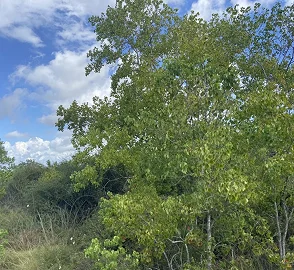
The Chinese Tallow Tree is a prime example of the complexities surrounding introduced species. While it offers aesthetic beauty and potential economic benefits, its invasive nature poses significant challenges to native ecosystems. Organizations like Grow Billion Trees Partners are at the forefront of addressing these challenges, promoting biodiversity, and restoring ecosystems affected by invasive species. As we move forward, it is essential to strike a balance between appreciating beauty and protecting our native environments.

Chinese Tallow Tree Fall Colors
Invasive Species Management

The Allure of the Chinese Tallow Tree

This tree is like the prom queen of the forest, strutting its stuff with heart-shaped leaves that turn vibrant shades of yellow, orange, and red in the fall. Standing tall at 30 feet, it boasts a broad crown that makes it the go-to choice for parks and gardens. Its small, white flowers bloom in spring, followed by seed capsules that resemble popcorn—yes, it's as fun as it sounds! But don't be fooled by its good looks; beneath that charming exterior lies a tree that's a bit too eager to spread its roots.

Historical Context

Picture it's the 1700s, and the Chinese Tallow Tree makes its grand entrance to the U.S. as the latest horticultural sensation. Brought over for its oil-rich seeds and ornamental beauty, it quickly became the belle of the ball. But like any party crasher, it overstayed its welcome, transforming from a garden delight to an invasive species that outcompetes native plants faster than you can say "biodiversity."

Ecological Impact

The Chinese Tallow Tree is like that friend who shows up uninvited and takes over the party. While it can provide some habitat and erosion control, its invasive tendencies create chaos in native ecosystems. It competes for resources, leading to a decline in biodiversity, and its leaf litter alters soil chemistry, making it less friendly for local flora. Wildlife that relies on native plants? They're left wondering where their buffet went.

Fun Facts about the Chinese Tallow Tree

Did you know this tree is not just a pretty face? Its seeds are packed with oil and can be toxic to certain animals, including livestock. Often dubbed the "Popcorn Tree," its seed capsules are a quirky sight that adds a touch of whimsy to any landscape. And let's not forget its potential as a biofuel source—who knew this tree could moonlight as an eco-friendly energy provider?

Management and Control Efforts

Enter organizations like Grow Billion Trees Partners, armed with shovels and a mission to restore ecosystems. They're not just planting trees; they're engaging communities, hosting workshops, and educating folks about the ecological impacts of invasive species like the Chinese Tallow Tree. With partnerships and monitoring efforts, they're ensuring that native trees get the spotlight they deserve, while the Tallow Tree takes a backseat.

Grow Billion Trees Partners

This non-profit is on a quest to restore ecosystems and promote biodiversity, one tree at a time. Their mission? To champion native species that provide essential habitats for local wildlife. Through community engagement and partnerships with local organizations, they're turning the tide against invasive species. Monitoring, research, and data collection are their secret weapons, ensuring that their reforestation efforts are as effective as they are necessary.

The Future of the Chinese Tallow Tree

What does the future hold for our invasive friend? As it continues its relentless spread, the need for effective management strategies becomes urgent. While some admire its beauty, the ecological consequences are hard to ignore. A growing movement towards sustainable land management practices aims to remove invasive species and actively plant native trees, ensuring that our ecosystems remain vibrant and healthy.

Conclusion

The Chinese Tallow Tree is a classic case of beauty and the beast. While it dazzles with its aesthetic appeal and economic potential, its invasive nature poses serious challenges to native ecosystems. Thanks to organizations like Grow Billion Trees Partners, there's hope for restoring balance. It's a delicate dance between appreciating the tree's charm and protecting our native environments. So, let's rally together to support initiatives that prioritize native species and responsible land management, ensuring a sustainable future for our landscapes.

FAQ

What is the Chinese Tallow Tree?

The Chinese Tallow Tree (Triadica sebifera) is a fast-growing deciduous tree from eastern Asia, admired for its striking fall colors. While visually appealing, it can be invasive in some regions, particularly in the U.S.

01

Why is the Chinese Tallow Tree considered invasive?

It outcompetes native plants, creating monocultures that disrupt ecosystems. Its dense growth can dominate landscapes, reducing biodiversity and altering soil chemistry.

02

What are the benefits of the Chinese Tallow Tree?

Provides habitat for certain wildlife and its oil-rich seeds can be used for biofuel. Despite these perks, the tree’s invasive tendencies often outweigh its benefits.

03

How does the Chinese Tallow Tree affect local ecosystems?

Its dense growth displaces native species, reduces biodiversity, and can negatively impact local wildlife that depends on native plants for food and shelter.

04

What are some fun facts about the Chinese Tallow Tree?

Also called the “Popcorn Tree” because its seed capsules resemble popcorn. Seeds are oil-rich and can be toxic to livestock. Beautiful but sometimes troublesome!

05

How did the Chinese Tallow Tree end up in the U.S.?

Introduced in the 18th century for oil production and ornamental purposes. Over time, it spread uncontrollably, becoming an invasive ecological concern.

06

What is Grow Billion Trees Partners?

A non-profit organization focused on restoring ecosystems by planting native trees, engaging communities, and promoting awareness about invasive species management.

07

How does Grow Billion Trees Partners manage invasive species?

Through community engagement, partnerships with organizations, and careful monitoring of native and invasive species to ensure native plants thrive.

08

What are the future prospects for the Chinese Tallow Tree?

Its rapid spread emphasizes the need for management strategies. While visually attractive, its invasive impact makes ecological management crucial for the future.

09

Can the Chinese Tallow Tree be beneficial for biofuel?

Its seeds are oil-rich and can be used for biofuel. However, due to its invasive nature, sustainable use is complicated, making it a double-edged sword environmentally.

10

What can individuals do to help manage the spread of the Chinese Tallow Tree?

Support organizations like Grow Billion Trees Partners, participate in tree-planting initiatives, and raise awareness about invasive species to protect native ecosystems.

11
logo
back top