


Jamun Tree: A Tree of Life in Our Garden
Jamun Tree: A Tree of Life in Our Garden
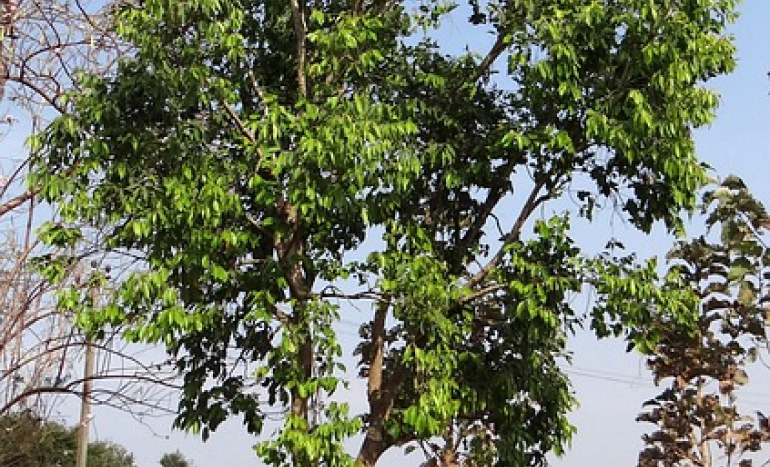
Common Name and Scientific Name
Description
Habitat and Distribution
Culinary and Medicinal Uses
Cultural and Historical Significance
Symbolism and Traditional Practices
Conservation and Sustainable Harvesting
In Conclusion
FAQ
What is a Jamun tree?
The Jamun tree, also known as Syzygium cumini or Indian blackberry, is a tropical evergreen tree native to the Indian subcontinent. It bears edible fruit known as Jamun or Java plum.
01
How tall does a Jamun tree grow?
Jamun trees typically grow up to 30-40 feet in height, although some can reach up to 60 feet under optimal conditions.
02
What are the characteristics of Jamun fruit?
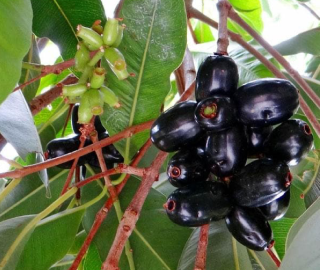
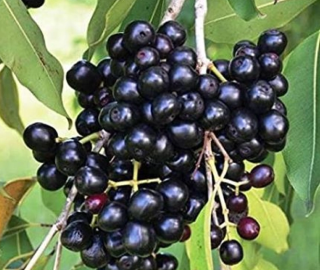
Jamun fruits are oval-shaped and turn from green to purplish-black when ripe. They have a unique sweet and tangy taste, with a slightly astringent flavor.
03
When does a Jamun tree bear fruit?
Jamun trees usually start bearing fruit from May to July, depending on the region. The fruiting season can vary slightly based on climate and growing conditions.
04
How to propagate a Jamun tree?
Jamun trees can be propagated through seeds, cuttings, or grafting. Seeds should be collected from ripe fruits and sown immediately in well-draining soil.
05
What are the ideal growing conditions for a Jamun tree?
Jamun trees thrive in tropical and subtropical climates with ample sunlight and well-drained, slightly acidic soil. They are moderately drought-tolerant but require regular watering during the fruiting season.
06
How long does it take for a Jamun tree to bear fruit?
Jamun trees typically start bearing fruit 4-6 years after planting, although this can vary depending on various factors such as growing conditions, cultivar, and propagation method.
07
Are Jamun trees suitable for home gardens?
Yes, Jamun trees can be grown in home gardens provided they have enough space to accommodate the tree's size. Dwarf and semi-dwarf varieties are also available for smaller spaces.
08
How to care for a Jamun tree?
Proper care for Jamun trees includes regular watering, especially during dry periods, mulching to retain moisture, occasional pruning to maintain shape and remove dead or diseased branches, and fertilizing with balanced fertilizer during the growing season.
09
Are Jamun trees susceptible to any pests or diseases?
Jamun trees can be susceptible to various pests and diseases such as fruit flies, caterpillars, anthracnose, and powdery mildew. Proper sanitation, timely pruning, and the use of organic or chemical treatments can help manage these issues.
10
Can Jamun fruits be consumed by diabetics?
Jamun fruits have been traditionally used in Ayurvedic medicine for their potential health benefits, including managing blood sugar levels. However, individuals with diabetes should consume them in moderation and consult with a healthcare professional.
11
Your Suggestions
Leave your message and we'll get back to you shortly.