


Pencil Cedar Tree
Pencil Cedar Tree: The Ultimate Guide to Growing and Caring for This Unique Evergreen
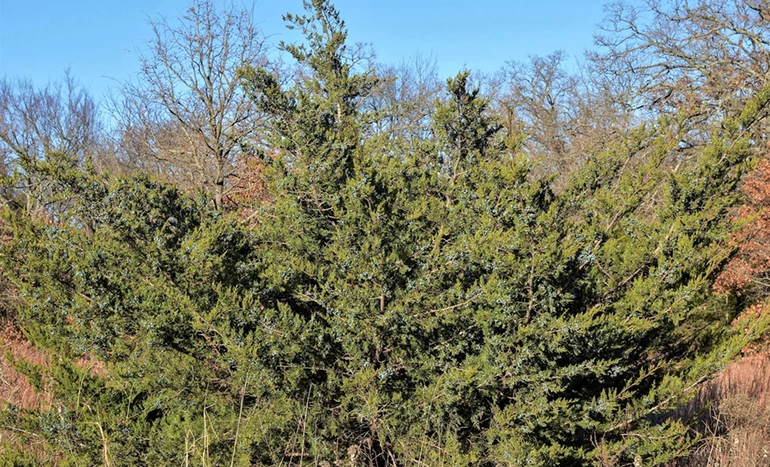
Botanical Characteristics
Fun Facts About Pencil Cedar Trees
Growing Pencil Cedar Trees
1. Choosing the Right Location
2. Soil Preparation
3. Planting
4. Watering
5. Fertilization
6. Pruning
7. Pest and Disease Management
Environmental Impact
Historical Significance
Grow Billion Trees Initiative
Conclusion
Pencil Cedar Tree Care
Pencil Cedar Tree Benefits
Pencil Cedar Tree History
Pencil Cedar Tree Growth Habit
Pencil Cedar Tree Wildlife
Pencil Cedar Tree Planting Tips
Pencil Cedar Tree Pruning
Pencil Cedar Tree Pest Management
Pencil Cedar Tree Ecosystem Role
Pencil Cedar Tree Aesthetic Value
Pencil Cedar Tree Environmental Impact
Pencil Cedar Tree Community Engagement
FAQ
What is a Pencil Cedar Tree?
The Pencil Cedar Tree, or Juniperus virginiana, is a charming evergreen known for its pencil-like shape. This tree doesn't just look good; it also plays a vital role in local ecosystems, providing habitat and food for wildlife. Perfect for gardeners and landscapers, it's a true green superstar!
01
How tall does a Pencil Cedar Tree grow?
Pencil Cedar Trees can reach impressive heights of 40-50 feet, with a spread of 10-20 feet. Their columnar shape makes them excellent for privacy screens and windbreaks. It's like having a natural fence that's both beautiful and functional—nature's very own skyscraper!
02
Where should I plant a Pencil Cedar Tree?
These trees thrive in well-drained soil and prefer full sun to partial shade. Choose a location that allows for their mature height and spread to avoid overcrowding. Think of it as picking the right spot for a new roommate—everyone needs their space!
03
How do I prepare the soil for planting?
Test your soil's pH before planting, aiming for slightly acidic to neutral (6.0 to 7.0). If your soil is too alkaline, amend it with sulfur or organic matter. Think of it as giving your tree a cozy bed to settle into—happy roots lead to happy trees!
04
When is the best time to plant Pencil Cedar Trees?
The ideal time to plant these beauties is in spring or fall when temperatures are moderate. It's like planting during nature's sweet spot—just the right conditions for your new green friend to settle in and start growing!
05
How often should I water my Pencil Cedar Tree?
In the first year, water deeply once a week, allowing the top few inches of soil to dry out. Once established, these trees are drought-tolerant, making them the ultimate low-maintenance companion. They'll thrive with minimal rainfall—talk about a tree that knows how to conserve!
06
Do Pencil Cedar Trees need fertilization?
Fertilizing is usually unnecessary, but if your soil is lacking, a balanced, slow-release fertilizer in early spring can do wonders. Just don't overdo it! Think of it as giving your tree a little treat—too much can spoil the fun!
07
How do I prune a Pencil Cedar Tree?
Pencil Cedar Trees require minimal pruning. Remove any dead or damaged branches in late winter or early spring to keep them healthy and shapely. It's like giving your tree a stylish haircut—just a trim, not a drastic makeover!
08
What pests or diseases affect Pencil Cedar Trees?
These trees are generally resistant to pests and diseases, but watch out for aphids, spider mites, and cedar-apple rust. Regular checks and treatments with insecticidal soap or neem oil can keep them in tip-top shape. Prevention is key—think of it as giving your tree a protective shield!
09
What is the ecological impact of Pencil Cedar Trees?
Pencil Cedar Trees are ecological heroes! They provide habitat and food for wildlife, particularly birds that feast on their blue berries. Plus, they help sequester carbon, playing a role in combating climate change. Planting one is like giving a gift to Mother Nature!
10
What historical significance do Pencil Cedar Trees have?
Native American tribes have long valued Pencil Cedar Trees for their durable wood, using them for tools, structures, and ceremonial items. Their aromatic wood even had medicinal uses! It's a tree with a rich history, connecting people and nature through the ages.
11
How does the Grow Billion Trees initiative work?
The Grow Billion Trees initiative focuses on planting trees, including Pencil Cedars, to combat deforestation. They engage communities, collaborate with local governments, conduct research, and partner with businesses. It's a team effort to green our planet—because every tree counts in this global mission!
12
Your Suggestions
Leave your message and we'll get back to you shortly.