

Spanish Cedar Tree
Spanish Cedar Tree: The Ultimate Guide to Its Benefits, Uses, and Care for Your Garden
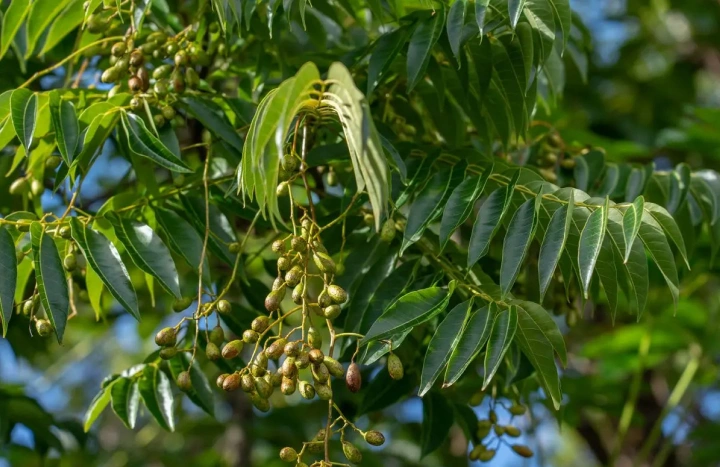
Spanish Cedar Tree: The Ultimate Guide to Its Benefits, Uses, and Care
Benefits of Spanish Cedar
- Durability: Resistant to decay and insect infestation, ideal for outdoor furniture and structures.
- Aromatic Qualities: Pleasant aroma that can repel insects; popular for closets and storage chests.
- Lightweight: Easier to work with compared to other hardwoods.
- Thermal Insulation: Suitable for saunas and heat-sensitive environments.
- Ecological Benefits: Contributes to carbon sequestration and ecosystem health.
Uses of Spanish Cedar
- Woodworking: Furniture, cabinetry, and musical instruments like guitars.
- Construction: Outdoor structures such as decks, fences, and pergolas.
- Aromatic Applications: Essential oils, incense, and closets.
- Landscaping: Provides shade, beauty, and attracts wildlife.
- Environmental Restoration: Reforestation projects to restore degraded ecosystems.
Fun Facts About Spanish Cedar
- Can grow up to 150 feet tall with a trunk diameter of up to 3 feet.
- Compound leaves can grow up to 12 inches long, forming a lush canopy.
- Not a true cedar; belongs to the Meliaceae family, which includes mahogany.
- Wood has a reddish-brown color that darkens with age.
- Historically used by the Mayans for canoes and temples.
Scientific Data and Historical Context
- Kingdom: Plantae
- Order: Sapindales
- Family: Meliaceae
- Genus: Cedrela
- Species: C. odorata
Environmental Impact
How to Grow and Care for Spanish Cedar
Grow Billion Trees Partners
Conclusion
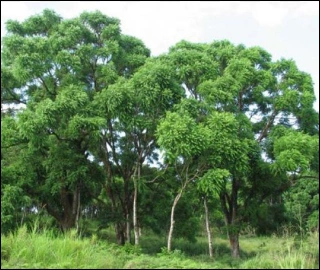
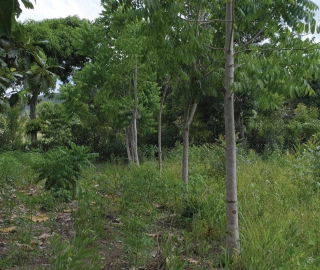
Spanish Cedar Tree: Benefits, Uses, and Care
Spanish Cedar Benefits
- Durability: Resistant to decay and insects, ideal for outdoor furniture and structures.
- Lightweight: Easy to work with for woodworking and construction.
- Thermal Insulation: Excellent for saunas and heat-sensitive environments.
- Aromatic Qualities: Repels insects and provides a pleasant scent for furniture and storage.
- Ecological Benefits: Sequesters carbon, supports biodiversity, and stabilizes soil.
Uses of Spanish Cedar
- Woodworking: Ideal for furniture, cabinetry, and musical instruments, especially guitars.
- Construction: Durable outdoor structures like decks, fences, and pergolas.
- Aromatic Applications: Essential oils, incense, and closets.
- Landscaping: Provides shade, beauty, and attracts birds and beneficial insects.
- Reforestation: Restores degraded ecosystems and enhances biodiversity.
Growing Tips for Spanish Cedar
Environmental Impact
Aromatic Qualities
Historical Significance
Community Engagement and Educational Programs
Conclusion
FAQs
What is Spanish Cedar?
Spanish Cedar (Cedrela odorata) is a tropical hardwood tree native to Central and South America, famed for its durability, pleasant aroma, and resistance to decay. It's widely used in woodworking, construction, and landscaping.
What are the benefits of Spanish Cedar?
Spanish Cedar offers durability against decay, a delightful scent that repels insects, excellent thermal insulation, lightweight wood for easy handling, and ecological benefits such as carbon sequestration.
How is Spanish Cedar used in woodworking?
Its tonal qualities make it perfect for musical instruments like guitars, while durability and fine grain make it ideal for furniture and cabinetry.
Can Spanish Cedar be used for outdoor structures?
Yes, it is resistant to decay and insects, making it ideal for decks, fences, and pergolas while maintaining natural beauty.
What makes Spanish Cedar aromatic?
The wood emits a pleasant aroma that acts as a natural insect repellent, making closets and storage chests fragrant and pest-free.
How tall can Spanish Cedar trees grow?
Spanish Cedar can reach heights of up to 150 feet with trunk diameters of about 3 feet, creating a lush canopy and providing ample shade.
Is Spanish Cedar good for the environment?
Yes, it absorbs carbon dioxide, supports biodiversity, prevents soil erosion, and helps regulate the local water cycle.
How do you care for Spanish Cedar?
Provide well-drained soil, full sun to partial shade, regular watering for young trees, balanced fertilizer in spring, occasional pruning, and monitor for pests.
What role does Grow Billion Trees Partners play?
They engage communities in sustainable forestry, organize tree-planting events, provide educational programs, and collaborate with governments to plant billions of trees, including Spanish Cedar.
How does Spanish Cedar support biodiversity?
It provides habitat and food for birds, insects, and small mammals, enhancing ecosystem health and creating a biodiverse backyard sanctuary.
What historical significance does Spanish Cedar have?
Used by Mayans for temples and canoes, and in the 19th century for U.S. cigar boxes, Spanish Cedar has a rich history due to its durability and aromatic properties.
Can Spanish Cedar help with soil erosion?
Yes, its extensive root system stabilizes soil, reduces erosion, and promotes healthy landscapes, protecting the earth beneath your feet.
Your Suggestions
Leave your message and we'll get back to you shortly.