
Butter Tree: Unlocking the Secrets of Nature’s Creamy Wonder for Health and Wellness
Aadusa Tree - Medicinal Plant

Burma Padauk: Nature’s Golden Superstar

The Burma Padauk (Pterocarpus indicus) is a tropical tree native to Southeast Asia, celebrated for its brilliant golden-yellow flowers and durable wood. Revered for its beauty, the Padauk has long been a cultural symbol of prosperity in Myanmar, associated with religious and traditional ceremonies. Its flowers attract bees and butterflies, supporting pollination, while its dense foliage provides shade and shelter for birds, insects, and small mammals.

Historically, the Padauk has been valued for its timber, used in furniture, musical instruments, and traditional construction. Beyond its cultural and economic significance, it also plays an important ecological role. As a nitrogen-fixing species, it improves soil fertility, supports the growth of other crops in agroforestry systems, and helps prevent soil erosion. Its rapid growth and adaptability make it an excellent choice for reforestation projects and urban landscaping.

Traditional medicine has embraced the Padauk, using its leaves, bark, and wood in remedies for fever, digestive ailments, and more. Today, organizations like Grow Billion Trees Partners actively promote the sustainable cultivation and conservation of Burma Padauk, engaging local communities in planting initiatives, ecological education, and forest restoration programs. By preserving this majestic tree, we ensure its ecological, cultural, and economic benefits endure for generations.

Burmese Grape: Nature’s Sweetest Superfruit

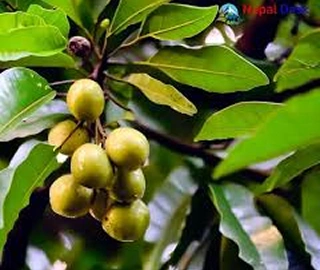
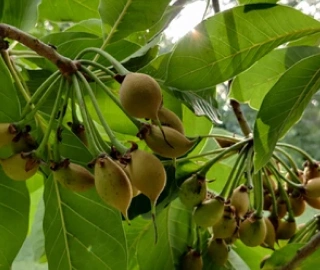
The Burmese grape (Baccaurea sapida) is a tropical fruit tree native to Myanmar, Thailand, and Malaysia. Known for its small, sweet grapes that grow directly from the trunk and older branches—a phenomenon called cauliflory—this tree is not only a delicious source of nutrition but also a vital component of local ecosystems. Its dense canopy provides shade and habitat for wildlife, while its deep roots help prevent soil erosion.

Nutritionally, the Burmese grape is a powerhouse. Packed with vitamin C, fiber, and antioxidants, it strengthens immunity, supports digestive health, and combats oxidative stress. The fruit is enjoyed fresh, or processed into jams, jellies, and beverages, reflecting its deep-rooted cultural significance across Southeast Asia.

Beyond nutrition, the Burmese grape plays a pivotal ecological role. Integrated into agroforestry systems, it supports biodiversity, improves soil fertility, and contributes to carbon sequestration. Traditionally, its leaves, bark, and roots have been used in remedies for digestive and skin ailments. Grow Billion Trees Partners work to promote sustainable cultivation, reforestation, and community engagement, ensuring that the Burmese grape continues to thrive while supporting both ecosystems and local livelihoods.

Butter Tree: Nature’s Creamy Wonder

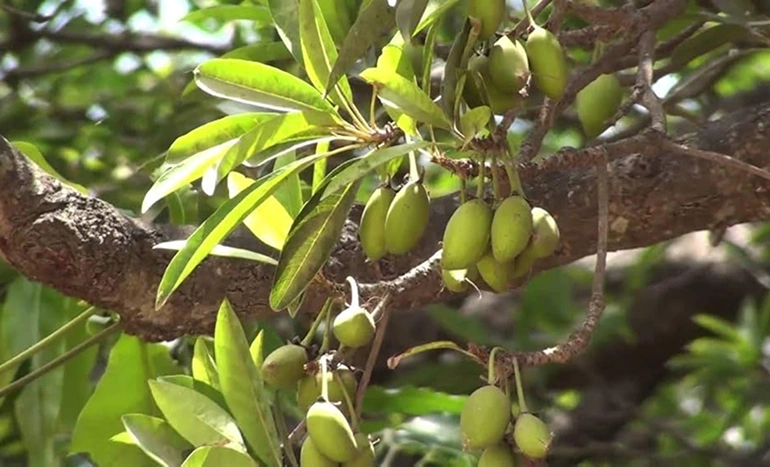
The Butter Tree or Shea tree (Vitellaria paradoxa) is native to West Africa and revered for its nutrient-rich nuts that produce shea butter—a creamy substance used for culinary, cosmetic, and medicinal purposes for thousands of years. Indigenous communities have harvested shea nuts for over 3,000 years, following traditional methods that preserve both quality and cultural heritage.

Shea butter is rich in vitamins A, E, and F, as well as fatty acids like oleic, stearic, and linoleic acids, making it an excellent moisturizer and healing agent for skin and hair. It provides anti-inflammatory benefits, soothes cuts and burns, and supports healthy hair growth. Beyond personal care, it is also used in cooking, particularly in West African cuisine, where it adds flavor and nutrients to local dishes.

The Butter Tree can live up to 200 years, producing fruit after approximately 15 years. Each tree yields about 20 nuts per year, often harvested during the rainy season. The labor-intensive process frequently involves women in local communities, providing vital income and economic empowerment. Ecologically, shea trees improve soil fertility, support biodiversity, and integrate into sustainable agroforestry systems.

Organizations like Grow Billion Trees Partners champion the sustainable cultivation of shea trees, educating communities on responsible harvesting, integrating trees with other crops to preserve biodiversity, and promoting reforestation initiatives. These efforts ensure that shea butter production benefits both the environment and local communities while preserving cultural heritage.

Role of Grow Billion Trees Partners

Grow Billion Trees Partners promote sustainable cultivation and conservation for all three trees. They engage local communities in planting, education, and monitoring initiatives, supporting fair trade, eco-friendly practices, and biodiversity preservation. Their programs also encourage agroforestry integration to improve soil health, carbon sequestration, and ecosystem resilience.

Conclusion

The Burma Padauk, Burmese Grape, and Butter Tree are tropical treasures providing ecological, nutritional, cultural, and economic value. Supporting sustainable cultivation and conservation ensures these species thrive for future generations, promotes biodiversity, and benefits local communities worldwide. By protecting and appreciating these remarkable trees, we contribute to a healthier planet and a more sustainable future.

Aadusa Tree Leaves - Medicinal Properties
Aadusa Tree Environmental Benefits

Shea Butter Benefits: Nature’s Creamy Wonder

This creamy delight isn’t just a moisturizer; it’s a multitasking marvel! Packed with vitamins A, E, and F, shea butter swoops in to rescue dry skin, combat wrinkles, and even soothe sunburns. Think of it as your skin’s superhero, ready to hydrate, heal, and protect while you go about your day.

Sustainable Practices

In a world where “sustainable” is the new black, shea butter production is strutting its eco-friendly stuff! Organizations like Grow Billion Trees teach communities the art of harvesting shea nuts responsibly. It’s all about keeping the planet happy while ensuring everyone gets a slice of the shea pie—now that’s a win-win!

Health Benefits

Who knew that a nut could pack such a health punch? Shea butter boasts anti-inflammatory properties that soothe skin like a gentle hug. Its antioxidants fight free radicals, helping prevent premature aging. It’s like a spa day in a jar for your skin!

Culinary Uses

Move over, olive oil! Shea butter is also making waves in the culinary world, especially in West African cuisine. It adds flavor and nutrition to dishes, proving that it’s just as good in your stew as on your skin.

Environmental Impact

The Butter Tree isn’t just a pretty sight in the forest; it’s a champion for the environment! Shea trees promote biodiversity and soil health. Sustainable harvesting ensures forests thrive even as global demand grows.

Historical Significance

Revered by African cultures for over 3,000 years, shea butter has graced the beauty routines of royalty and commoners alike. From Cleopatra’s beauty secrets to modern skincare, this nutty treasure has stood the test of time.

Agroforestry

Shea trees mingle with other crops in agroforestry systems, boosting biodiversity and enhancing soil fertility. It’s a community potluck for plants, ensuring everyone gets what they need to thrive.

Fair Trade

Fair trade ensures the hardworking women who extract shea butter receive proper compensation. Supporting these practices empowers local communities and promotes gender equality—a delicious way to do good!

Moisturizing Properties

Shea butter forms a protective barrier that locks in moisture, leaving skin soft and hydrated. Say goodbye to dry patches and hello to happy, healthy skin!

Economic Opportunities

The Butter Tree is also a source of economic empowerment! Sustainable shea butter production opens new income streams for local communities, creating jobs while benefiting the planet.

Cultural Heritage

The history of the Butter Tree is steeped in cultural significance. Indigenous tribes have passed down shea butter traditions for generations, making it a symbol of resilience, community, and heritage.

Carbon Sequestration

Trees are nature’s air purifiers, and the Butter Tree is no exception! Planting more shea trees enhances carbon sequestration, helping combat climate change while providing the benefits of this creamy wonder.

What is the Butter Tree?

The Butter Tree, or Vitellaria paradoxa, is native to West Africa and celebrated for its nutrient-rich nuts that are transformed into shea butter. This creamy treasure has been cherished for centuries for culinary, cosmetic, and medicinal uses.

1

Why is shea butter so popular?

Shea butter is packed with vitamins A, E, and F, hydrating, nourishing, and protecting skin. Its anti-inflammatory, anti-aging, and culinary properties make it a versatile superstar in beauty and cooking.

2

How is shea butter extracted?

Traditional extraction involves harvesting nuts, drying, grinding into a paste, and boiling to separate the oil. This method preserves cultural heritage and ensures high-quality shea butter.

3

What are the health benefits of shea butter?

Shea butter moisturizes, soothes inflammation, fights aging, and heals minor skin issues. Rich in fatty acids, it locks in moisture and enhances elasticity for healthy, radiant skin.

4

How does shea butter benefit hair care?

Shea butter helps reduce frizz, add shine, and promote healthy hair growth. It’s a secret ingredient for luscious, manageable hair.

5

Is shea butter good for all skin types?

Yes! Its moisturizing and anti-inflammatory properties make it suitable for dry, sensitive, oily, and combination skin types.

6

What impact does shea butter production have on the environment?

While it supports biodiversity and soil health via agroforestry, overharvesting poses risks. Sustainable practices are crucial, and Grow Billion Trees promotes responsible cultivation.

7

How does Grow Billion Trees support sustainable shea butter production?

They plant Butter Trees in collaboration with local communities, promote sustainable harvesting, and empower locals economically while preserving the environment.

8

What role does shea butter play in African culture?

Shea butter has been cherished for over 3,000 years in African culture, used by royalty and in trade, symbolizing wealth, beauty, and heritage.

9

How can consumers choose sustainably sourced shea butter?

Look for ethical sourcing and fair trade certifications. Supporting sustainable brands helps empower local communities and promotes environmental responsibility.

10

What is the future of shea butter in sustainability?

The future lies in sustainable practices that benefit both people and the planet. Fair trade and eco-friendly cultivation preserve the Butter Tree while combating climate change.

11
logo
back top