


Zanzibar Nutmeg Tree
Zanzibar Nutmeg Tree: Unveiling the Secrets of This Enigmatic Spice
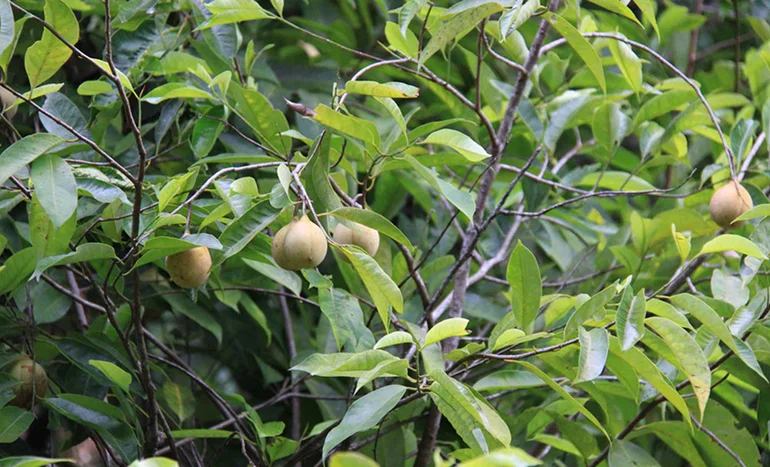
Botanical Profile of the Zanzibar Nutmeg Tree
- Scientific Name: Myristica fragrans
- Family: Myristicaceae
- Native Region: Spice Islands (Zanzibar and Pemba)
- Common Names: Zanzibar Nutmeg, Maluku Nutmeg
Historical Significance of Zanzibar Nutmeg
Culinary Wonders of the Zanzibar Nutmeg
- Nutmeg: Has a warm, sweet, and slightly nutty flavor, making it a popular ingredient in both sweet and savory dishes. It is commonly used in baking, sauces, and beverages, adding depth and warmth to recipes.
- Mace: Has a more delicate flavor profile with hints of cinnamon and pepper. It is often used in spice blends, desserts, and even in some savory dishes.
Environmental Impact of Nutmeg Cultivation
- Deforestation Concerns: The demand for nutmeg has led to increased deforestation and habitat destruction in some regions.
- Soil Degradation: Unsustainable farming practices can result in soil degradation and loss of biodiversity.
- Sustainable Solutions: Agroforestry, where nutmeg trees are grown alongside other crops, helps maintain soil health and promotes biodiversity.
Fun Facts About Zanzibar Nutmeg Tree
- Dual Spice: The Zanzibar nutmeg tree is unique in that it produces two spices: nutmeg and mace.
- Long Maturity: Nutmeg trees take about 7-9 years to begin producing fruit.
- Pollination Mystery: The exact pollinators of the nutmeg tree remain a mystery.
- Medicinal Uses: Nutmeg has been used in traditional medicine for centuries.
Scientific Insights on Zanzibar Nutmeg Tree
Grow Billion Trees Partners: A Catalyst for Sustainable Cultivation
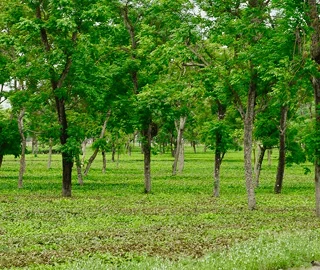
- Sustainable Orchards: Partnering with local farmers to establish nutmeg orchards that adhere to sustainable practices.
- Reforestation Efforts: Planting millions of trees in deforested areas to restore habitats and contribute to carbon offsetting.
- Education and Training: Helping farmers adopt agroforestry practices that enhance productivity while preserving the environment.
Why Plant a Zanzibar Nutmeg Tree?
- Culinary Benefits: A source of two distinct and versatile spices.
- Economic Value: Supports local farmers and communities.
- Environmental Impact: Contributes to biodiversity and carbon sequestration when grown sustainably.
Final Thought

Zanzibar Nutmeg
Mace
Spice Islands
Sustainable Agriculture
Agroforestry
Culinary Heritage
Health Benefits
Pollination
Reforestation
Culinary Applications
Economic Impact
FAQ
What is the Zanzibar nutmeg tree?
A tropical evergreen, scientifically known as Myristica fragrans, the Zanzibar nutmeg tree is a culinary superstar from the Spice Islands, producing the aromatic spices nutmeg and mace. It's not just a tree; it's a cultural icon and an ecological treasure, thriving in the lush landscapes of Zanzibar and Pemba.
01
How do nutmeg and mace differ?
Nutmeg is the seed of the fruit, while mace is the dried aril surrounding it. Think of nutmeg as the bold, warm flavor in your favorite pie, while mace adds a delicate hint of cinnamon and pepper, perfect for spice blends and desserts. Both spices are culinary gold!
02
Why is the Zanzibar nutmeg tree important historically?
This tree played a leading role in the spice trade of the 15th and 16th centuries, making Zanzibar a hotbed of cultural exchanges and conflicts. The Portuguese, Omani Arabs, and British fought for control over this aromatic treasure, shaping global commerce and history. Talk about a spicy past!
03
What are the environmental impacts of nutmeg cultivation?
While nutmeg brings economic benefits, its cultivation can lead to deforestation and biodiversity loss. Unsustainable practices threaten ecosystems, but fear not! Sustainable farming methods are gaining momentum, promoting biodiversity and soil health while allowing farmers to thrive without sacrificing the planet.
04
How does Grow Billion Trees Partners contribute to sustainable nutmeg cultivation?
This organization empowers local communities by teaching sustainable agriculture practices. They help farmers establish nutmeg orchards that respect the environment while boosting productivity. Their initiatives not only enhance farmers' livelihoods but also protect the lush landscapes of Zanzibar for future generations.
05
What are the health benefits of nutmeg?
Nutmeg isn't just a flavor booster; it's packed with potential health benefits! Studies suggest it has antioxidant properties and may aid digestion and insomnia. Plus, its essential oils boast antimicrobial qualities, making nutmeg a spice that's good for your taste buds and your health. Who knew?
06
How long does it take for a nutmeg tree to bear fruit?
Patience is a virtue! Nutmeg trees take about 7-9 years to start producing fruit. So, if you're dreaming of a nutmeg orchard, get ready for a long-term investment. But once they start fruiting, it's a flavorful payoff that lasts for years!
07
What do we know about the pollination of the nutmeg tree?
The pollination process of the nutmeg tree remains a bit of a mystery. While we know it's dioecious, meaning male and female trees are separate, the exact pollinators are still under investigation. Insects are believed to play a crucial role, but science hasn't cracked this nut yet!
08
What are some fun facts about the Zanzibar nutmeg tree?
This tree is a dual spice powerhouse, producing both nutmeg and mace. It's a long-term commitment, taking years to mature and produce fruit. Plus, its historical significance shaped global trade routes. Nutmeg has medicinal uses too, making it a spice with a story worth savoring!
09
How can consumers support sustainable nutmeg practices?
By choosing sustainably sourced nutmeg, consumers can make a flavorful impact! Supporting organizations like Grow Billion Trees Partners and opting for products that prioritize environmental stewardship helps ensure that nutmeg cultivation benefits both local farmers and the planet. It's a win-win for your taste buds and Mother Earth!
10
What culinary dishes benefit from nutmeg?
Nutmeg shines in both sweet and savory dishes, elevating everything from pies and cakes to sauces and curries. Its warm, nutty flavor adds depth to beverages like eggnog and chai. So, sprinkle a little nutmeg magic into your recipes and let your culinary creations sing!
11
What makes Zanzibar nutmeg special compared to other varieties?
Zanzibar nutmeg is renowned for its exceptional aroma and flavor profile, which is attributed to the unique terroir of the Spice Islands. The combination of volcanic soil, tropical climate, and traditional harvesting methods results in a nutmeg with a more complex and aromatic character than varieties from other regions.
12
Your Suggestions
Leave your message and we'll get back to you shortly.