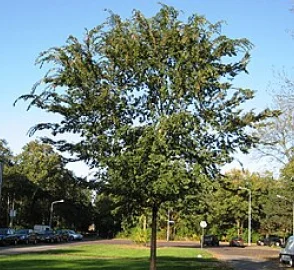


Chinese Elm Tree: The Ultimate Guide to Care, Benefits, and Stunning Landscapes
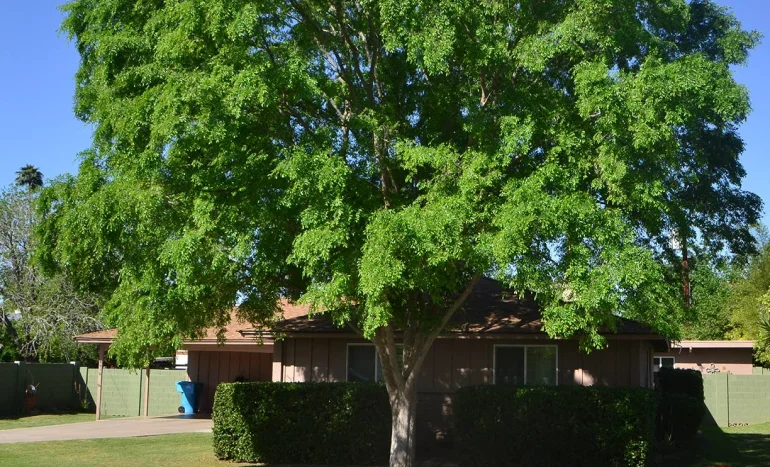
Chinese Elm Tree - Ultimate Landscape Beauty

The Chinese Elm Tree, scientifically known as Ulmus parvifolia, is a remarkable species that has captured the hearts of gardeners, landscapers, and environmentalists alike. This versatile tree is not only aesthetically pleasing but also offers numerous benefits that contribute to a healthier environment.

Botanical Profile of Chinese Elm Tree

  • Scientific Name: Ulmus parvifolia
  • Family: Ulmaceae
  • Native Region: East Asia (China, Korea, Japan)
  • Common Names: Chinese Elm, Lacebark Elm

Understanding the Chinese Elm Tree

The Chinese Elm is a deciduous tree native to East Asia that has gained popularity worldwide due to its adaptability to different climates and soil types. It typically reaches heights of 40 to 50 feet, with a spread of 30 to 40 feet, making it excellent for both urban and suburban landscapes.

  • Height: 40-50 feet tall
  • Spread: 30-40 feet wide
  • Leaves: Serrated, vibrant yellow in fall
  • Bark: Unique mottled appearance
  • Flowers: Small, inconspicuous in spring
  • Seeds: Winged clusters dispersed by wind

Historical Significance

The Chinese Elm has a rich history that dates back thousands of years. In ancient China, the tree was revered for its strength and durability, often planted in temple gardens and public spaces as a symbol of longevity and resilience. Scholars and poets frequently referenced it in their works.

Beyond cultural significance, Chinese Elm wood has been used for practical purposes throughout history. Its strong, decay-resistant wood made it ideal for furniture and construction, while artisans crafted intricate carvings and sculptures showcasing its beauty and versatility.

Environmental Impact

Beyond their aesthetic appeal, Chinese Elm trees have a significant positive impact on the environment, contributing to ecological balance through multiple beneficial mechanisms.

  • Carbon Sequestration: Absorbs approximately 48 pounds of CO2 per year
  • Air Quality Improvement: Filters pollutants and releases oxygen
  • Stormwater Management: Reduces runoff and promotes groundwater recharge
  • Temperature Regulation: Lowers urban heat island effect
  • Pollinator Support: Attracts bees and butterflies
  • Soil Erosion Control: Extensive roots prevent soil loss

Fun Facts About Chinese Elm Tree

  • Urban Resilience: Survives harsh urban environments with limited resources
  • Longevity: Can live for over 100 years
  • Bonsai Favorite: Popular for bonsai due to small leaves and pruning tolerance
  • Disease Resistance: Resistant to Dutch elm disease
  • Seasonal Beauty: Vibrant yellow fall foliage
  • Wildlife Support: Provides habitat and food for birds and insects

How Grow Billion Trees Promotes Chinese Elm Tree Planting

Organizations like Grow Billion Trees Partners are at the forefront of promoting tree planting initiatives, combating deforestation and promoting sustainable forestry practices by engaging communities and raising awareness about trees like the Chinese Elm.

  • Community Engagement: Workshops and seminars about tree benefits
  • Strategic Partnerships: Collaboration with governments and organizations
  • Tree Planting Events: Large-scale volunteer planting initiatives
  • Monitoring and Maintenance: Ensuring proper care after planting
  • Educational Programs: Teaching sustainable forestry practices
  • Urban Forestry: Promoting trees in city landscapes

Why Plant Chinese Elm Trees?

  • Urban Adaptability: Tolerates pollution and compacted soil
  • Low Maintenance: Drought-tolerant once established
  • Aesthetic Appeal: Beautiful foliage and unique bark
  • Environmental Benefits: Air purification and carbon sequestration
  • Wildlife Habitat: Supports biodiversity
  • Versatile Landscaping: Suitable for various landscape designs

Final Thought: Nature's Resilient Beauty
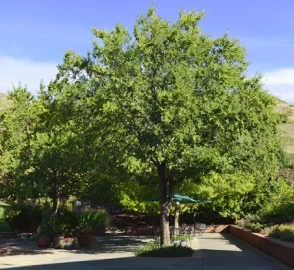
The Chinese Elm Tree is a beautiful, resilient species that offers numerous benefits to both individuals and the environment. With proper care, it can thrive in various landscapes, transforming outdoor spaces into lush, inviting areas. By planting and caring for these trees, we contribute to a healthier planet and create stunning landscapes for generations to enjoy.

Chinese Elm Tree Landscape
Chinese Elm in Urban Setting

Chinese Elm Care

Caring for your Chinese Elm is like a relationship; it requires attention, love, and the right conditions to thrive. This adaptable tree prefers well-drained soil, plenty of sunlight, and a good drink of water, especially when it's young. Think of it as your plant baby—water it, prune it, and it will reward you with stunning foliage and a majestic presence in your garden.

Urban Tree Planting

When city planners choose the Chinese Elm for urban landscapes, they're not just picking a pretty tree; they're selecting a superhero! With its pollution tolerance and ability to provide shade, this tree is like the cool friend who shows up to every party and makes the environment a better place. It's a win-win for both aesthetics and ecology.

Biodiversity Benefits

The Chinese Elm doesn't just stand tall and look pretty; it's a habitat hero! This tree attracts birds, insects, and other critters, making your garden a bustling hub of biodiversity. Planting one is like throwing a wildlife party in your backyard, where every guest (feathered or furry) is invited and catered for.

Drought Tolerance

The Chinese Elm is the ultimate survivalist in the tree world. Once established, it can withstand dry spells like a pro. It's the friend who always shows up with water when you're parched. This resilience means less worry for you, allowing this beauty to flourish even when the rain decides to take a vacation.

Historical Significance

The Chinese Elm has been around longer than most of us can fathom, earning its stripes as a symbol of longevity and resilience in ancient China. It's like the wise elder of the tree community, often referenced in poetry and art. When you plant one, you're not just adding greenery; you're inviting history into your garden.

Environmental Impact

The Chinese Elm is more than just a pretty face; it's an ecological powerhouse! This tree absorbs carbon dioxide and releases oxygen, helping to combat climate change one leaf at a time. Think of it as your personal air purifier, working tirelessly to keep your surroundings fresh and clean.

Soil Erosion Control

With its extensive root system, the Chinese Elm is like a nature-made anchor, preventing soil erosion and stabilizing the ground. If your garden has slopes or is prone to runoff, this tree is your best ally. It's like having a solid friend who holds everything together when the going gets tough.

Shade Provider

The Chinese Elm is the ultimate shade provider, offering a cool retreat from the scorching sun. It's like having your own natural umbrella, reducing the urban heat island effect and keeping your outdoor spaces comfortable. So, kick back and enjoy the shade while this tree does its magic!

Pollinator Support

With flowers that attract bees and butterflies, the Chinese Elm is like the social butterfly of the tree world. By planting one, you're not just beautifying your landscape; you're also supporting local pollinators. It's a charming way to contribute to the ecosystem while adding a splash of color to your garden.

Adaptability

The Chinese Elm's adaptability is legendary—it thrives in various soil types and climates, making it the chameleon of the tree kingdom. Whether you live in a bustling city or a quiet suburb, this tree fits right in. It's like that friend who can seamlessly blend into any social circle, making it the perfect addition to your landscape.

Aesthetic Appeal

With its serrated leaves that turn vibrant in fall and unique mottled bark, the Chinese Elm is a visual delight. It's like nature's artwork, bringing beauty and elegance to your garden. Planting one is a surefire way to elevate your outdoor space, making it the envy of the neighborhood.

Landscape Transformation

The Chinese Elm has the power to completely transform any landscape! Whether used as a stunning focal point in gardens, a reliable street tree in urban areas, or a graceful addition to parks, this tree enhances both beauty and functionality. It's like having a magical touch that turns ordinary spaces into extraordinary outdoor living areas!

FAQ

What is the Chinese Elm Tree?

The Chinese Elm Tree (Ulmus parvifolia) is a stunning deciduous tree native to East Asia. It can reach heights of 40 to 50 feet and features serrated leaves that turn vibrant yellow in the fall. Highly adaptable, it’s a favorite among gardeners and city planners alike.

01

How do I care for a Chinese Elm Tree?

Chinese Elms thrive in well-drained soil and full sun but can tolerate partial shade. Water regularly during early growth and fertilize in spring. Prune in late winter to maintain healthy shape and airflow.

02

What are the benefits of planting a Chinese Elm Tree?

Planting a Chinese Elm improves air quality, provides shade, supports local wildlife, and helps prevent soil erosion. Its adaptability makes it ideal for various landscapes.

03

Is the Chinese Elm Tree good for urban environments?

Absolutely! Chinese Elms tolerate pollution, compacted soil, and drought. Their broad canopy beautifies streets, reduces urban heat, and creates cooler, greener public spaces.

04

How does the Chinese Elm Tree impact the environment?

Chinese Elms sequester carbon dioxide, absorb rainwater to reduce runoff, and provide cooling shade — playing a vital role in ecological balance and climate regulation.

05

What is the historical significance of the Chinese Elm Tree?

Revered in ancient China for strength and durability, the Chinese Elm was often planted in temple gardens. It symbolizes longevity and resilience, and its wood has been used for furniture and carvings.

06

Can I use Chinese Elm Trees for landscaping?

Yes! Chinese Elms make excellent focal points, street trees, or shade providers. They are versatile for shade gardens, windbreaks, or public landscapes.

07

How do I prune a Chinese Elm Tree?

Prune during dormancy in late winter or early spring. Remove dead or diseased branches and thin crowded areas to improve airflow and promote lush growth.

08

What are some fun facts about the Chinese Elm Tree?

Chinese Elms are favorites for bonsai enthusiasts due to small leaves and pruning tolerance. They resist Dutch elm disease, making them a strong, character-filled urban tree.

09

How does Grow Billion Trees Partners promote tree planting?

They engage communities via workshops and planting events, partnering with local organizations, and monitor young trees to ensure thriving growth — helping green the planet.

10

Where can I find a Chinese Elm Tree for planting?

Local nurseries, garden centers, online plant retailers, and tree planting initiatives often stock Chinese Elm Trees. Choose a healthy specimen and provide proper care for best results.

11
logo
back top