


Cucumber Tree
Cucumber Tree: The Ultimate Guide to Growing and Harvesting Nature's Hidden Gem
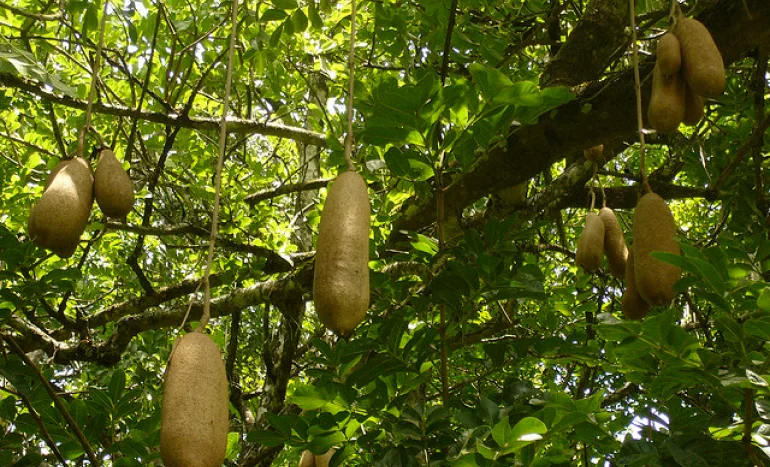
Characteristics of the Cucumber Tree
Scientific Data and Fun Facts
- Hardiness: One of the few magnolias hardy enough to thrive in colder climates (USDA zones 4-8).
- Flower Size: Flowers can grow up to 10 inches in diameter with a sweet, lemony fragrance.
- Wood Uses: Lightweight wood historically used for making crates and boxes.
- Fruit Note: Despite its name, the fruit is not edible and should not be consumed raw.
Historical Significance
Growing and Care Guide
Environmental Impact
Benefits of Cucumber Tree
- Pollinator Support: Attracts bees and butterflies with its fragrant flowers
- Soil Conservation: Extensive root system prevents erosion and improves soil health
- Carbon Sequestration: Absorbs CO2 and releases oxygen, combating climate change
- Wildlife Habitat: Provides food and shelter for birds and small mammals
- Aesthetic Value: Beautiful flowers and foliage enhance landscape appeal
- Historical Significance: Connects to cultural traditions and historical uses
Grow Billion Trees Partners: Promoting Sustainable Practices
Conclusion
Cucumber Tree Benefits
Cucumber Tree Cultivation
Cucumber Tree History
Cucumber Tree Flowers
Cucumber Tree Pruning
Cucumber Tree Pests
Cucumber Tree Fruits
Cucumber Tree Environmental Impact
Cucumber Tree Wood
Cucumber Tree Conservation
Cucumber Tree Community Engagement
Magnolia Family Marvel
FAQ
What is the Cucumber Tree?
The Cucumber Tree (Magnolia acuminata) is a deciduous tree native to eastern North America. Known for its cucumber-shaped fruit and fragrant yellow-green blooms, it’s both a visual delight and an ecological gem that attracts pollinators and enriches biodiversity.
01
How tall does the Cucumber Tree grow?
This magnificent tree can grow up to 60 feet tall with a trunk reaching around 2 feet in diameter. It’s a graceful giant that offers shade, beauty, and a natural habitat for birds and wildlife — truly the gentle protector of any landscape.
02
What are the ideal growing conditions for a Cucumber Tree?
Cucumber Trees thrive in USDA zones 4–8, preferring well-drained, fertile soil and full sun to partial shade. Give them space to spread their branches — they enjoy open areas with plenty of light and air circulation.
03
When is the best time to plant a Cucumber Tree?
The best time to plant is early spring or fall, when temperatures are moderate. Dig a hole twice as wide as the root ball, set the tree gently, and water thoroughly — this helps the roots establish and ensures a healthy start.
04
How should I care for a young Cucumber Tree?
During the first year, water deeply once a week to build a strong root system. After it’s established, the tree becomes more drought-tolerant. Mulching around the base helps retain moisture and keeps roots cool during warm months.
05
What type of fertilizer is best for a Cucumber Tree?
Use a balanced, slow-release fertilizer in early spring to encourage growth and vibrant blooms. Avoid over-fertilizing, as it may cause excessive foliage growth instead of flowers. A little nourishment goes a long way!
06
How do I prune a Cucumber Tree?
Prune during late winter or early spring before new growth appears. Remove any dead, diseased, or crossing branches to maintain shape and improve air circulation. Regular light pruning keeps the tree healthy and elegant.
07
What pests or diseases affect the Cucumber Tree?
The Cucumber Tree is quite hardy but can sometimes be affected by aphids, scales, or fungal leaf spots. Monitor regularly and treat with neem oil or insecticidal soap if necessary to maintain a healthy, vibrant canopy.
08
Can you eat the fruit of the Cucumber Tree?
Though the fruit resembles a cucumber, it isn’t edible raw. However, its seeds can be roasted and eaten or ground into flour. It’s a fun botanical twist that adds a bit of adventure to your culinary curiosity!
09
What is the environmental impact of the Cucumber Tree?
This tree is a biodiversity booster — it attracts pollinators, supports wildlife habitats, and helps combat soil erosion. By absorbing carbon dioxide, it contributes to a cleaner atmosphere and a healthier planet.
10
How does Grow Billion Trees Partners support tree planting?
Grow Billion Trees Partners collaborates with communities, schools, and environmental groups to promote the planting of species like the Cucumber Tree. Their mission is to restore ecosystems and inspire people to nurture a greener Earth.
11
Your Suggestions
Leave your message and we'll get back to you shortly.