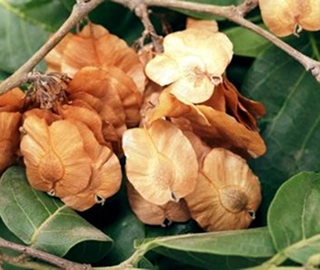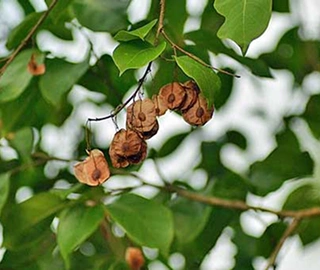


Papari Tree: A Pillar of Nature and Culture
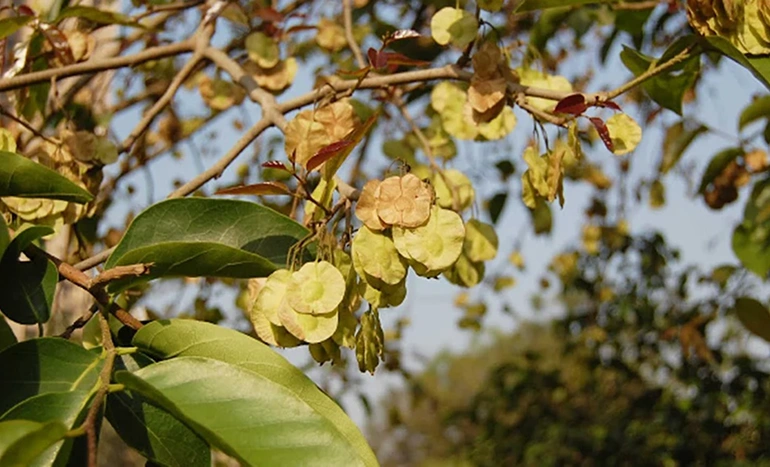
Papari Tree - Nature's Remarkable Species

The Papari tree, renowned for its unique properties and importance, is a vital resource in tropical and subtropical regions. This tree not only enhances the environment but also provides significant value to local communities through its diverse applications and cultural relevance.

Known for its resilience and versatility, every part of the Papari tree—from its sturdy timber to its medicinal bark and leaves—offers something of value, whether in the form of construction materials, traditional remedies, or environmental sustainability.

This remarkable tree plays a crucial role in local economies, traditional medicine, and sustainable farming practices, making it one of nature's most valuable assets.

Botanical Marvel: The Papari Tree

The Papari tree, scientifically known as Ficus paparii, is a large tree that can grow up to 80 feet tall. Its expansive canopy and robust root system are hallmarks of its resilience, with smooth bark and clusters of white flowers giving it a distinctive appearance in its natural habitat.

Cultural Symbolism

In many cultures, the Papari tree is revered for its healing properties and role in spiritual ceremonies. The leaves and bark are used in traditional remedies, making it a symbol of health and protection within various indigenous practices.

Ecological Keystone

The Papari tree contributes significantly to its ecosystem by preventing soil erosion and providing shelter to diverse wildlife. Its deep roots stabilize the soil, while its wide canopy offers habitat and food for birds, insects, and animals, thus supporting local biodiversity.

Versatile Uses

The Papari tree is prized for its versatility, with uses ranging from construction timber to herbal medicine. Its hardwood is durable and highly sought after, while the tree's sap and leaves are used in traditional healing practices for their anti-inflammatory and adhesive properties.

Economic Importance

The Papari tree contributes to the economic well-being of rural communities. Its timber and natural extracts are valuable resources, providing income for those engaged in its cultivation and sustainable harvesting, which supports both local and regional economies.

Traditional Knowledge

Indigenous communities possess extensive knowledge about the Papari tree, utilizing it for medicinal, spiritual, and practical purposes. This traditional understanding is essential for the sustainable use and long-term conservation of the Papari tree in its native regions.

Environmental Sustainability

Sustainable practices in cultivating Papari trees are vital for ecosystem health. Agroforestry systems that include the Papari tree can enhance biodiversity and soil fertility, providing a model for environmental and economic sustainability in tropical regions.

Challenges and Opportunities

The Papari tree faces threats such as deforestation and overharvesting, but these challenges also present opportunities for innovation in sustainable management and reforestation efforts. Encouraging the planting and conservation of Papari trees can aid in land restoration and climate resilience strategies.

Community Empowerment

Supporting local communities in the sustainable management of Papari trees can lead to greater economic stability. Training programs that teach sustainable harvesting techniques and market access can empower farmers to maximize the benefits of this valuable resource.

Climate Resilience

The Papari tree's adaptability to different environmental conditions makes it an essential player in climate resilience efforts. Its ability to grow in poor soils and withstand harsh conditions enhances its role in restoration and conservation projects aimed at combating climate change.

Consumer Awareness

Raising awareness about the benefits of Papari tree products can encourage responsible consumption. Informed consumers can support sustainably sourced Papari timber and herbal remedies, benefiting both local communities and the environment.

Global Collaboration

Efforts to protect and sustainably use the Papari tree require collaboration between governments, NGOs, and local communities. International partnerships focused on sustainable forestry practices, biodiversity conservation, and economic development are essential to preserving this valuable resource for future generations.

Conclusion

The Papari tree stands as a symbol of resilience, sustainability, and cultural heritage. With its numerous ecological, economic, and cultural benefits, the Papari tree exemplifies the vital relationship between humans and nature.

Its impressive size, adaptability to different environments, and myriad uses make it a pillar of strength and prosperity for communities that rely on it. More importantly, the tree's ability to support biodiversity and improve soil quality makes it a keystone species in sustainable ecosystems.

However, the future of the Papari tree lies in our collective efforts to ensure its protection and sustainable use. By fostering collaboration between governments, communities, and organizations, we can continue to benefit from the Papari tree's rich legacy for generations to come.

Papari Tree - Majestic Beauty
Papari Tree Bark and Foliage
logo
back top