

Silk Cotton Tree
Silk Cotton Tree: Unveiling the Mysteries and Marvels of Nature's Majestic Wonder
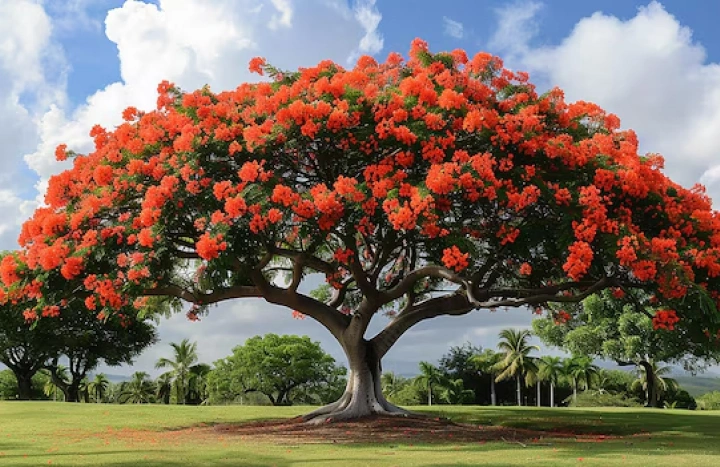
Silk Cotton Tree: Unveiling Nature’s Towering Marvel
Scientific Classification and Characteristics
Fruit and Fibers
Historical and Cultural Significance
Ecological Importance
Environmental Benefits
Fun Facts
Conclusion
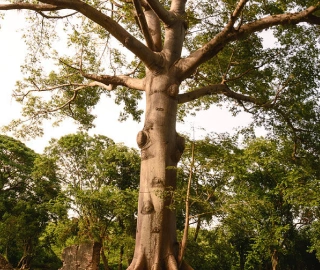
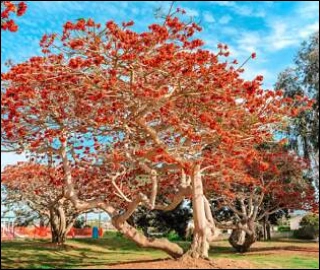
Silk Cotton Tree: Nature’s Majestic Marvel and Eco-Friendly Treasure
Cultural Significance
Environmental Impact
Wildlife Support
Conservation Efforts
Myths and Legends
Climate Change Role
Practical Uses
Urban Landscaping
Growth Conditions
Community Engagement
FAQs
What is the Silk Cotton Tree?
The Silk Cotton Tree, or Bombax ceiba, is a towering beauty known for its vibrant flowers and ecological significance. This deciduous marvel can reach heights of up to 30 meters and boasts a unique spiny bark, making it a standout in any landscape.
Why is the Silk Cotton Tree important for the ecosystem?
This tree provides habitat for birds, insects, and mammals. Its flowers attract pollinators, fruits feed wildlife, and its leaves prevent soil erosion while improving nutrient cycling.
What are kapok fibers, and why are they significant?
Kapok fibers, harvested from the Silk Cotton Tree's fruit, are lightweight, buoyant, and water-resistant. Historically used for pillows and fishing nets, these fibers are eco-friendly and sustainable.
How long can the Silk Cotton Tree live?
The Silk Cotton Tree can live for over 100 years, continuing its ecological duties and providing shade and beauty for generations.
What cultural significance does the Silk Cotton Tree hold?
It symbolizes love and fertility in various cultures. In India, it heralds spring, and in Africa, it’s planted near villages for community gatherings, enriched with folklore.
What are the main threats to the Silk Cotton Tree?
Deforestation, urbanization, and climate change threaten the tree and the wildlife depending on it, making conservation efforts crucial.
How does Grow Billion Trees contribute to conservation?
They partner with local organizations to plant native species, including Silk Cotton Trees, ensuring tree-planting initiatives are sustainable and community-focused.
What role does community engagement play in conservation efforts?
Engaging local residents fosters responsibility and ownership, turning tree planting into a collective community effort for sustainability.
How does Grow Billion Trees use technology in their projects?
Technology is used to monitor the health and growth of trees, ensuring that planting initiatives are effective and data-driven.
What educational initiatives does Grow Billion Trees offer?
They conduct workshops and training sessions to educate communities about the Silk Cotton Tree and sustainable practices, empowering individuals to take action.
How can we support the Silk Cotton Tree?
Participate in local tree-planting initiatives, spread awareness about its ecological benefits, and advocate for conservation efforts to ensure it thrives for future generations.