

Red Bloodwood Tree: Unveiling Nature's Vibrant Marvel and Its Ecological Significance
Red Bloodwood Tree - Ecological Marvel

The Red Bloodwood Tree (Corymbia gummifera), a striking specimen native to Australia, is renowned for its vibrant red timber and significant ecological contributions. With its unique characteristics, this tree has become an essential part of the Australian landscape, holding both cultural and environmental importance.

In this blog post, we explore the multifaceted aspects of the Red Bloodwood Tree, delving into its biology, ecological significance, historical context, and the efforts of organizations like Grow Billion Trees Partners in promoting its conservation and growth.

Botanical Profile of the Red Bloodwood Tree

  • Scientific Name: Corymbia gummifera
  • Family: Myrtaceae
  • Native Region: Australia
  • Common Names: Red Bloodwood

Understanding the Red Bloodwood Tree

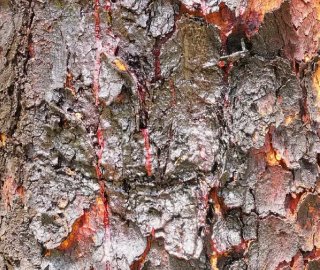
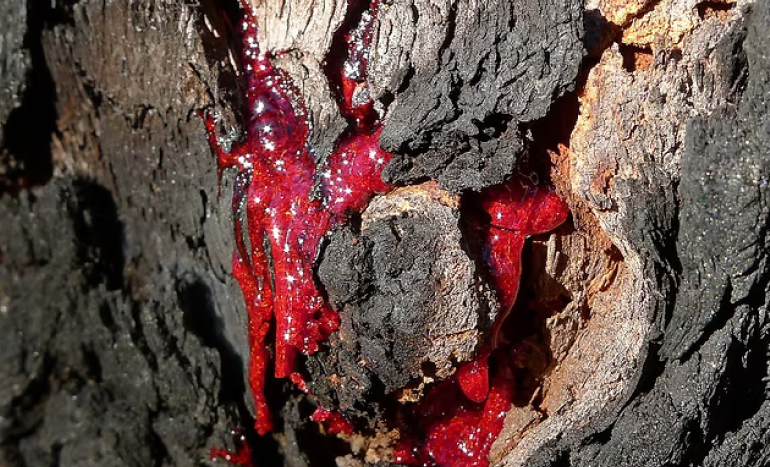
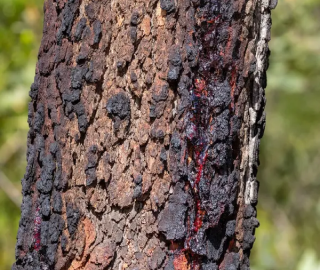
The Red Bloodwood Tree typically reaches heights of 15 to 30 meters and features rough, fibrous bark that protects it from harsh environmental conditions. Its most distinctive feature is its deep red sap, known as kino, which exudes when the bark is damaged. The tree’s glossy green leaves contrast strikingly with its reddish bark, and it produces clusters of white or cream-colored flowers during late spring to early summer.

Ecological Significance

The Red Bloodwood Tree plays a crucial role in maintaining biodiversity. It provides shelter and food for numerous species, including birds, insects, and mammals. Its flowers attract pollinators like bees and birds, while its foliage serves as a habitat for various insects. As a pioneer species, it is one of the first to colonize disturbed areas, stabilizing soil and facilitating the growth of other plant species. Its resilience in poor soil conditions makes it vital for land restoration projects.

Historical Context

Historically, the Red Bloodwood Tree has held significant cultural importance for Indigenous Australians. Its sap was used as a dye and in traditional medicine, while its timber was crafted into tools and weapons. In the 19th century, European settlers recognized its value for construction and furniture, leading to increased logging. This exploitation raised concerns about sustainability, highlighting the need for conservation efforts.

Environmental Impact

The Red Bloodwood Tree contributes to combating climate change by sequestering carbon dioxide. Its extensive root system prevents soil erosion and maintains soil health, while its ability to store water supports ecosystem hydrology. However, habitat destruction, climate change, and invasive species threaten its survival, necessitating urgent conservation measures.

Grow Billion Trees Partners: Advocating for Red Bloodwood Conservation

Organizations like Grow Billion Trees Partners are at the forefront of promoting Red Bloodwood conservation through reforestation and afforestation projects across Australia. Their mission to plant billions of trees focuses on restoring habitats and enhancing biodiversity. Strategies include:

  • Community Engagement: Involving local communities in planting and educating them about the ecological significance of native trees.
  • Partnerships: Collaborating with governments and NGOs to leverage resources and expertise.
  • Monitoring and Maintenance: Ensuring ongoing care for planted trees to foster healthy growth.
  • Awareness Campaigns: Raising public support for conservation through outreach programs.

Fun Facts about Red Bloodwood

  • Known as “the tree that bleeds” due to its vibrant red sap.
  • Belongs to the Myrtaceae family, alongside eucalyptus and tea tree.
  • Resilient to drought, making it ideal for arid region reforestation.
  • Timber is highly valued for furniture and flooring due to its durability.
  • Used by Indigenous Australians for tools, weapons, and medicinal purposes.

Conclusion
The Red Bloodwood Tree is a testament to nature’s resilience and beauty, serving as a cornerstone of the Australian ecosystem and Indigenous culture. Its ecological significance, historical context, and ongoing conservation efforts underscore its importance. By supporting initiatives like Grow Billion Trees Partners, we can ensure this vibrant marvel thrives for future generations, contributing to a healthier planet.

Red Bloodwood Tree Sap
Red Bloodwood Tree Plantation

Red Bloodwood Characteristics

Known for its vibrant red sap, called kino, the Red Bloodwood is nature’s paintbrush, used by Indigenous Australians for dyeing and healing. Its durable timber is perfect for furniture and flooring.

Ecological Role

A biodiversity guardian, this tree supports wildlife with food and shelter. As a pioneer species, it stabilizes disturbed soils, making it a champion for land restoration.

Cultural Significance

A cultural icon for Indigenous Australians, its sap and timber have been used for art, medicine, and tools, reflecting a deep connection to the land.

Conservation Efforts

Grow Billion Trees Partners leads the charge in planting Red Bloodwood Trees, combating habitat loss and climate change through community-driven reforestation.

Threats to Survival

Habitat destruction, climate change, and invasive species threaten this tree, making conservation efforts critical to preserving its ecological and cultural value.

Reforestation Importance

A champion of reforestation, the Red Bloodwood sequesters carbon and restores habitats, acting as nature’s air purifier for a healthier planet.

Indigenous Uses

For thousands of years, Indigenous Australians have used its sap for medicine and art, and its timber for tools and weapons, embodying cultural heritage.

Flowering Season

In late spring to early summer, its white or cream flowers attract pollinators, creating a vibrant ecosystem buffet for bees and birds.

Durability of Timber

Its tough, red timber is a favorite for furniture and flooring, combining beauty and strength for lasting elegance.

Community Engagement

Grow Billion Trees Partners involves communities in planting, fostering knowledge and awareness for sustainable conservation.

Monitoring and Maintenance

Ongoing care ensures Red Bloodwood Trees thrive, with Grow Billion Trees Partners nurturing each sapling for healthy growth.

Future of Conservation

The Red Bloodwood stands as a beacon of resilience, with collective efforts ensuring its survival for a sustainable future.

FAQ

What is the Red Bloodwood Tree?

The Red Bloodwood Tree (Corymbia gummifera) is an Australian native tree famous for its striking red timber and ecological contributions, thriving in diverse conditions.

01

How tall does the Red Bloodwood Tree grow?

It typically reaches heights of 15 to 30 meters and can live over 100 years, standing tall as a forest skyscraper.

02

What is the significance of its sap?

The sap, known as kino, is deep red and used by Indigenous Australians for dye and traditional medicine, a versatile natural resource.

03

Why is the Red Bloodwood Tree important for land restoration?

As a pioneer species, it colonizes disturbed areas, stabilizes soil, and creates conditions for other plants to thrive, making it a champion of land restoration.

05

How does the Red Bloodwood Tree combat climate change?

It sequesters carbon dioxide, prevents soil erosion with its extensive roots, and supports ecosystem hydrology, acting as a natural ally against climate change.

06

What threats does the Red Bloodwood Tree face?

Habitat destruction, climate change, and invasive species threaten its survival, making conservation efforts critical to protect this ecological treasure.

07

How does Grow Billion Trees Partners help the Red Bloodwood Tree?

Grow Billion Trees Partners promotes its growth through reforestation projects, engaging communities and collaborating with organizations to restore habitats and enhance biodiversity.

08

What role does community engagement play in conservation?

Community engagement ensures sustainable conservation by involving locals in planting and educating them about the ecological importance of native trees like the Red Bloodwood.

09

What are the historical uses of the Red Bloodwood Tree?

Indigenous Australians used its sap for dye and medicine, and its timber for tools and weapons, showcasing a deep connection to the land.

10

What makes the Red Bloodwood Tree a resilient species?

Its resilience to drought and ability to thrive in poor soil make it ideal for reforestation in arid regions, adapting where others struggle.

11

Why should I plant a Red Bloodwood Tree?

It supports biodiversity, sequesters carbon, and stabilizes soil, making it a vital addition to any landscape for a healthier planet.

12
logo
back top