


Chinese Toon Tree: Unlocking the Secrets of Nature's Marvelous Superfood
Chinese Toon Tree - Nature's Superfood Marvel

The Chinese Toon Tree, scientifically known as Toona sinensis, is a remarkable tree that has captured the attention of botanists, chefs, and health enthusiasts alike. Often referred to as the "Chinese Mahogany," this tree is not only valued for its timber but also for its edible leaves, which are considered a superfood.

Botanical Profile of Chinese Toon Tree

  • Scientific Name: Toona sinensis
  • Family: Meliaceae
  • Native Region: East Asia, particularly China
  • Common Names: Chinese Mahogany, Toon Tree

Understanding the Chinese Toon Tree

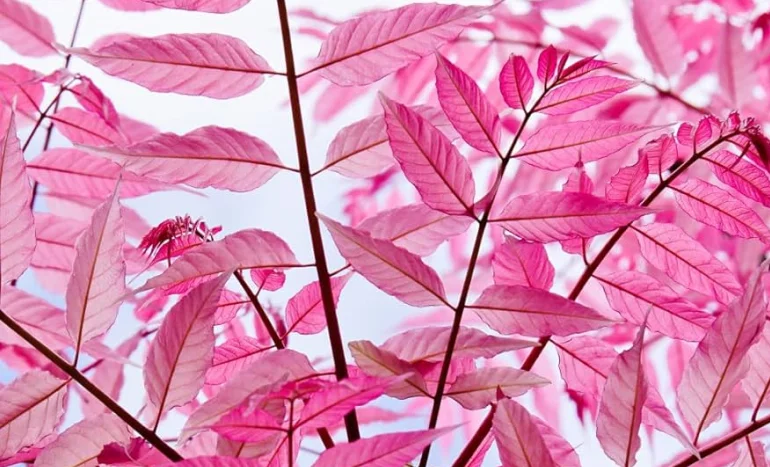
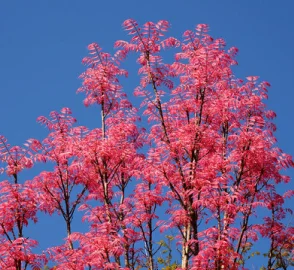
The Chinese Toon Tree is native to East Asia, particularly China, where it has been cultivated for centuries. It typically grows to a height of 15-20 meters and features pinnate leaves that emit a pleasant aroma when crushed. The leaves are bright green and turn red when young, making the tree a beautiful addition to any landscape.

  • Height: 15-20 meters tall
  • Leaves: Pinnate, aromatic when crushed
  • Color: Bright green, red when young
  • Soil Preference: Well-drained soils
  • Sunlight: Prefers full sunlight
  • Growth Rate: Fast-growing species

Nutritional Benefits: The Superfood Factor

What sets the Chinese Toon Tree apart is its nutritional profile. The young leaves are rich in vitamins A, C, and E, as well as minerals like calcium, iron, and magnesium. Studies show the leaves contain high levels of antioxidants essential for combating oxidative stress and reducing chronic disease risk.

  • Vitamins: Rich in A, C, and E
  • Minerals: Calcium, iron, and magnesium
  • Antioxidants: High levels for disease prevention
  • Low Calorie: Excellent for weight management
  • Culinary Uses: Salads, stir-fries, garnishes
  • Flavor Profile: Mix of garlic and onion

Historical Significance

The Chinese Toon Tree has a rich history that dates back over 2,000 years. It was first documented during the Han Dynasty when it was used not only for its timber but also for its culinary applications. The leaves were often used in traditional Chinese medicine, believed to have properties that could help with digestive issues and inflammation.

In addition to its medicinal uses, the tree has cultural significance in China. It is often associated with springtime, as the young leaves emerge around the same time as the Lunar New Year, leading to celebrations where dishes featuring Chinese Toon leaves symbolize renewal and prosperity.

Environmental Impact

The Chinese Toon Tree plays a crucial role in the environment. As a fast-growing species, it is effective in soil stabilization and erosion control. Its extensive root system helps prevent soil degradation, making it an excellent choice for reforestation efforts in degraded areas.

  • Soil Stabilization: Prevents erosion and degradation
  • Carbon Sequestration: Absorbs CO2 from atmosphere
  • Biodiversity Support: Flowers attract pollinators
  • Habitat Creation: Provides homes for bird species
  • Fast Growth: Quick establishment in landscapes
  • Climate Mitigation: Helps combat climate change

Fun Facts About Chinese Toon Tree

  • Longevity: Can live for over 100 years
  • Spring Delicacy: Leaves harvested and sold in markets
  • Premium Wood: Durable timber for furniture and construction
  • Medicinal Properties: Anti-inflammatory in traditional medicine
  • Soil Adaptability: Grows in various soil types
  • Cultural Symbol: Associated with renewal and prosperity

How Grow Billion Trees Promotes Chinese Toon Tree

Organizations like Grow Billion Trees Partners are at the forefront of promoting the cultivation of the Chinese Toon Tree. Their mission is to plant billions of trees globally to combat climate change and restore degraded lands through sustainable practices and community engagement.

  • Sustainable Forestry: Promoting eco-friendly cultivation
  • Community Education: Training on cultivation techniques
  • Economic Empowerment: Helping farmers with economic potential
  • Research Initiatives: Enhancing nutritional profiles
  • University Partnerships: Collaborating with research institutions
  • Environmental Restoration: Reforesting degraded areas

Why Plant Chinese Toon Trees?

  • Nutritional Value: Superfood leaves with health benefits
  • Environmental Benefits: Soil stabilization and carbon sequestration
  • Economic Potential: Valuable timber and edible leaves
  • Cultural Significance: Rich historical and traditional value
  • Biodiversity Support: Habitat for pollinators and birds
  • Sustainability: Long-lived tree for future generations

Final Thought: Nature's Marvelous Superfood
The Chinese Toon Tree is a true marvel of nature, offering numerous benefits ranging from its nutritional value to its environmental impact. As we continue to face challenges related to climate change and food security, the importance of cultivating trees like the Chinese Toon cannot be overstated. By understanding its significance, we can appreciate its role in our ecosystems and culinary traditions while contributing to a healthier planet.

Chinese Toon Tree Leaves
Toon Leaf Harvest

Chinese Mahogany

The Chinese Toon Tree is often dubbed "Chinese Mahogany," and for good reason! With its stunning wood that's both durable and aesthetically pleasing, it's like the tree version of a luxury sports car. Not only does it grace your living room with elegance, but it also holds its own against the elements. The wood is sought after for furniture making and construction, proving that this tree is not just a pretty face but also a powerhouse in the timber industry.

Superfood Sensation

Move over kale; there's a new superfood in town! The young leaves of the Chinese Toon Tree are bursting with vitamins A, C, and E, along with a treasure trove of minerals. These leafy greens not only add a delightful twist to your culinary creations but also pack a nutritional punch that can help fend off chronic diseases. Who knew health could taste so good?

Culinary Delight

If you've never tasted Chinese Toon leaves, you're missing out on a flavor adventure! Often compared to garlic and onion, these leaves can elevate your dishes from mundane to magnificent. Toss them in salads, stir-fries, or use them as a garnish to impress your dinner guests. They're not just food; they're an experience that adds a zing to your palate!

Historical Roots

The Chinese Toon Tree has been stealing the show for over 2,000 years! First documented during the Han Dynasty, this tree has a rich history intertwined with culinary and medicinal uses. It's like the celebrity of the botanical world, with a legacy that has influenced traditional Chinese medicine and culture. Talk about a tree with some serious street cred!

Environmental Champion

This tree isn't just a pretty sight; it's an environmental hero! With its fast growth and extensive root system, the Chinese Toon Tree is a champion of soil stabilization and erosion control. It's like the superhero of reforestation, helping to combat climate change while providing a habitat for local wildlife. Who knew a tree could be so eco-friendly?

Agroforestry Advocate

The Chinese Toon Tree is not just about aesthetics and nutrition; it's also a key player in sustainable agriculture. Organizations like Grow Billion Trees Partners are championing its cultivation, promoting agroforestry practices that benefit both farmers and the environment. This tree is paving the way for a greener future, one leaf at a time!

Cultural Significance

In China, the Chinese Toon Tree is synonymous with springtime and renewal. Its young leaves emerge just in time for the Lunar New Year, making it a staple in festive dishes that symbolize prosperity. This tree is not just a botanical wonder; it's deeply embedded in cultural traditions, reminding us of the joy and abundance that nature brings.

Biodiversity Booster

The Chinese Toon Tree is a friend to pollinators and birds alike. Its flowers attract bees, ensuring that our ecosystems remain vibrant and healthy. By planting this tree, you're not just beautifying your landscape; you're supporting local biodiversity and contributing to the delicate balance of nature. It's a win-win for everyone involved!

Long-Lived Legacy

With a lifespan of over 100 years, the Chinese Toon Tree is the ultimate long-term investment in sustainability. It's like the wise elder of the forest, providing benefits for generations to come. By cultivating this tree, you're not just planting a seed; you're nurturing a legacy that will thrive long after you're gone.

Economic Potential

The economic benefits of the Chinese Toon Tree are as impressive as its nutritional profile. By encouraging local farmers to cultivate this tree, organizations are boosting local economies while promoting environmental restoration. It's a tree that not only feeds the body but also nourishes the wallet. Who knew being eco-friendly could be so profitable?

Research Initiatives

The Chinese Toon Tree is not just resting on its leafy laurels; it's the subject of ongoing research to unlock its full potential as a superfood. Collaborations with universities and research institutions aim to enhance its nutritional profile, ensuring that this tree continues to be a valuable asset in our quest for healthier food options. Science and nature are teaming up for a delicious cause!

FAQ

What is the Chinese Toon Tree?

The Chinese Toon Tree (Toona sinensis), also known as “Chinese Mahogany,” is a beautiful and useful tree native to East Asia. It is prized for aromatic leaves and durable timber, popular among botanists, chefs, and eco-enthusiasts.

01

What are the nutritional benefits of Chinese Toon leaves?

Chinese Toon leaves are rich in vitamins A, C, and E, and minerals like calcium and iron. Low in calories and high in antioxidants, they support health while adding a unique garlic-onion flavor to dishes.

02

How has the Chinese Toon Tree been used historically?

With over 2,000 years of history, it has been used for timber, medicinal purposes, and culinary traditions, especially during the Lunar New Year, symbolizing renewal and prosperity.

03

What environmental benefits does the Chinese Toon Tree provide?

It stabilizes soil, prevents erosion, sequesters carbon, attracts pollinators, and provides habitats for birds, enhancing biodiversity and promoting healthy ecosystems.

04

How does Grow Billion Trees Partners support the Chinese Toon Tree?

They plant Chinese Toon trees, educate communities on sustainable cultivation, highlight economic potential, and restore degraded lands—promoting eco-friendly growth globally.

05

Can Chinese Toon leaves be eaten raw?

Yes! They can be added to salads, stir-fries, or used as a garnish. Their garlic-onion flavor adds a zesty touch to culinary creations.

06

How long does the Chinese Toon Tree live?

It has a long lifespan of over 100 years, making it ideal for sustainable forestry and long-term ecological benefits.

07

Is the wood of the Chinese Toon Tree valuable?

Yes, its wood is highly prized for furniture and construction due to its durability and attractive appearance.

08

What makes the Chinese Toon Tree suitable for reforestation?

Its fast growth, adaptability, and extensive root system make it ideal for restoring degraded lands and sequestering carbon—perfect for reforestation projects.

09

Where can I find Chinese Toon trees?

Primarily in East Asia, especially China. They can also be found in botanical gardens, sustainable farms, and eco-friendly landscaping projects worldwide.

10
logo
back top