
Silver Fir Tree: The Ultimate Guide to Its Beauty, Benefits, and Care Tips!
Aadusa Tree - Medicinal Plant

Silver Fir Tree: The Ultimate Guide to Its Beauty, Benefits, and Care

The Silver Fir Tree, scientifically known as Abies alba, is a majestic conifer native to Europe and parts of Asia. Known for its silvery-blue foliage, impressive height, and symmetrical conical shape, it plays a vital role in environmental sustainability, biodiversity, and ecological restoration.

Scientific Classification

Kingdom: Plantae
Clade: Gymnosperms
Order: Pinales
Family: Pinaceae
Genus: Abies
Species: A. alba

Physical Characteristics

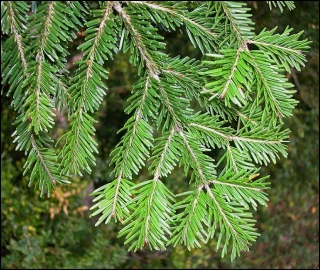
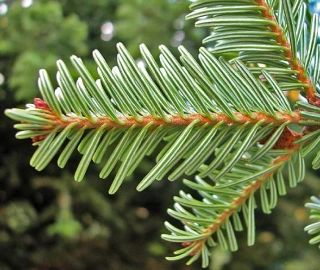
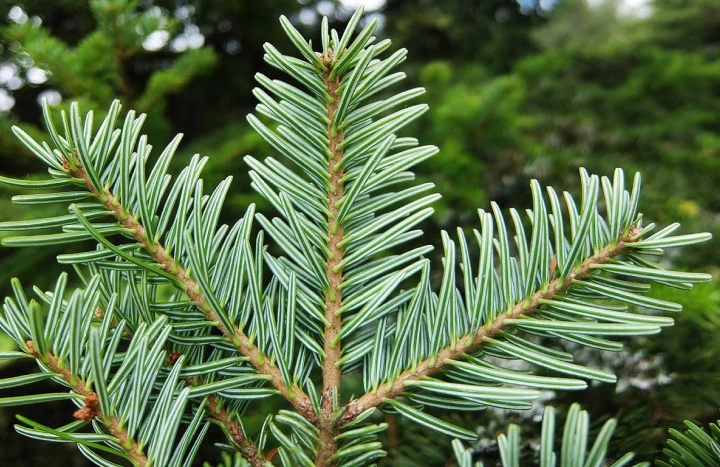
Silver Firs can grow up to 50 meters tall and live for 300 years or more. They have flat, soft needles with a dark green upper side and silvery-white underside, smooth grayish-brown bark that develops fissures with age, and a classic conical shape, often used as holiday trees.

Ecological Benefits

Silver Firs are ecological powerhouses. They absorb carbon dioxide (up to 50 kg/year per mature tree), support wildlife by providing shelter and food, stabilize soil to prevent erosion, and regulate water cycles, contributing to healthier ecosystems.

Historical and Cultural Significance

Historically revered as the “King of the Forest,” Silver Firs symbolize strength, longevity, and resilience. Their wood has been used for construction and furniture, and their needles and bark have medicinal properties. In ancient times, they were considered sacred in many cultures.

Growing and Caring for Silver Fir Trees

Soil: Prefers well-drained, acidic to neutral soils, rich in organic matter.
Sunlight: Full sun to partial shade; best with at least six hours of direct sunlight daily.
Watering: Young trees require regular watering; established trees tolerate drought but benefit from occasional watering.
Fertilization: Apply balanced fertilizer in spring if soil is nutrient-poor.
Pruning: Minimal pruning needed; remove dead or damaged branches.
Pests/Diseases: Generally resistant, but monitor for bark beetles and root rot.

Fun Facts

The Silver Fir is often called the “King of the Forest” due to its grandeur. Some trees live over 500 years. Its wood is lightweight and durable, and its conical shape makes it a popular Christmas tree. The needles and bark have been used in traditional medicine.

Environmental Impact and Conservation

Planting Silver Firs enhances biodiversity, restores habitats, sequesters carbon, improves air quality, and strengthens climate resilience. Organizations like Grow Billion Trees Partners actively plant these trees to restore ecosystems and promote sustainability.

Community Engagement and Initiatives

Grow Billion Trees Partners involves local communities through workshops, education programs, and volunteering. They ensure tree planting initiatives are sustainable, culturally relevant, and ecologically effective.

Conclusion

Silver Firs are symbols of beauty, resilience, and ecological importance. Supporting their planting and conservation promotes a greener, healthier planet, while enriching communities and ecosystems for generations to come.

Aadusa Tree Leaves - Medicinal Properties
Aadusa Tree Plantation

Silver Fir Tree: Nature’s Majestic Green Giant

The Silver Fir Tree, or Abies alba, is a towering conifer with silvery-blue needles, a symmetrical conical shape, and remarkable ecological benefits. Native to Europe and parts of Asia, it enhances landscapes, supports biodiversity, and contributes to climate change mitigation.

Physical Characteristics

Growing up to 50 meters tall, Silver Firs have dark green needles with silvery-white undersides, smooth grayish-brown bark that develops fissures with age, and a classic conical shape. Its impressive height and elegant form make it a striking addition to any landscape.

Ecological Importance

Silver Firs are carbon-sequestering champions, absorbing up to 50 kg of CO2 annually. They provide habitats for birds, mammals, and insects, prevent soil erosion with their extensive root systems, and help regulate water cycles in forests.

Landscaping and Aesthetic Value

With its symmetrical conical branches, the Silver Fir adds elegance and drama to gardens and parks. Its adaptability to diverse soil types and minimal maintenance requirements make it an excellent choice for both ornamental and ecological landscaping.

Biodiversity Support

Dense foliage offers shelter and nesting sites for wildlife, while its seeds provide food. By planting Silver Firs, you help sustain local ecosystems and promote biodiversity in your area.

Historical and Cultural Uses

Historically sacred, Silver Firs have been used in traditional medicine, particularly for respiratory ailments. Their lightweight, warp-resistant wood was valued for construction and military purposes, highlighting the tree’s multifunctional significance.

Caring for Silver Fir Trees

Soil: Well-drained, acidic to neutral soils.
Sunlight: Full sun to partial shade.
Watering: Regular for young trees; drought-tolerant when mature.
Fertilization: Balanced fertilizer in spring for nutrient support.
Pruning: Minimal; remove dead or damaged branches.
Pests/Diseases: Monitor for bark beetles and root rot.

Climate Change Role

By absorbing CO2 and improving air quality, Silver Firs actively combat global warming. Large-scale planting enhances carbon storage, ecosystem resilience, and forest health.

Reforestation and Conservation

Organizations like Grow Billion Trees Partners use Silver Firs in reforestation projects to restore habitats, enhance biodiversity, and build climate-resilient forests. Community participation ensures sustainable and effective conservation.

Fun Facts

Nicknamed the “King of the Forest,” Silver Firs can live over 500 years. Their needles and bark have medicinal uses, and their wood has been historically prized for construction. They combine beauty, ecological value, and historical significance in one majestic tree.

Economic and Community Benefits

Supporting Silver Fir planting initiatives creates jobs, fosters environmental stewardship, and enhances local economies. These trees provide both ecological and economic value, making them vital for communities and ecosystems alike.

FAQs

What makes the Silver Fir Tree so beautiful?

The Silver Fir, with its towering height and silvery-blue needles, is nature's own Christmas tree! Its striking two-tone foliage and conical shape make it a standout in any landscape, especially during winter.

1

How does the Silver Fir Tree help the environment?

It absorbs up to 50 kg of CO2 annually, provides habitat for wildlife, stabilizes soil, and regulates water, making it a vital player in ecological balance and climate change mitigation.

2

Can I grow a Silver Fir Tree in my garden?

Yes! Provide well-drained, acidic to neutral soil and ample sunlight. Young trees need regular watering, while mature trees are more drought-tolerant. Remember, these trees can grow tall, so plan accordingly!

3

What are some fun facts about the Silver Fir Tree?

Known as the "King of the Forest," Silver Firs can live over 500 years. Historically sacred, its wood is lightweight and warp-resistant, and extracts from its needles and bark were used medicinally.

4

How does the Silver Fir contribute to biodiversity?

Its dense foliage provides shelter and nesting sites, and its seeds feed birds, insects, and other animals. Planting Silver Firs supports thriving local ecosystems.

5

Why is the Silver Fir Tree historically significant?

Used in traditional medicine for respiratory issues, prized for its wood during World War I, and employed in reforestation across Europe, Silver Firs have a long-standing cultural and practical legacy.

6

What are the best care tips for Silver Fir Trees?

Well-drained soil, full sun, occasional watering, balanced spring fertilizer, and minimal pruning keep your Silver Fir healthy. Monitor for pests like bark beetles to maintain its majestic appearance.

7

What role do organizations like Grow Billion Trees Partners play?

They plant and preserve Silver Firs, restore forests, engage local communities, and raise awareness to promote biodiversity and sustainable ecosystems.

8

How do Silver Fir plantations impact the environment?

They store significant carbon, improve air quality, restore wildlife habitats, enhance biodiversity, and strengthen forest resilience against climate change.

9

What is the significance of Silver Fir in climate change initiatives?

Its ability to sequester carbon and support diverse ecosystems makes Silver Fir vital in combating climate change and building greener, healthier forests for future generations.

10

How can I get involved in tree planting initiatives?

Volunteer, donate, or participate in tree planting programs with organizations like Grow Billion Trees Partners to help restore forests and promote environmental stewardship.

11
logo
back top