

Coastal Redwood Tree: The Majestic Giants of the Forest That Hold Secrets
Coastal Redwood Tree - Majestic Giants of the Forest

The Coastal Redwood tree, scientifically known as Sequoia sempervirens, is a magnificent conifer native to the coastal regions of Northern California and Southern Oregon. These towering giants, which can reach heights of over 350 feet (107 meters) and live for more than 2,000 years, are not only a natural wonder but also a vital component of our planet's ecosystem. In this blog, we will explore the majestic Coastal Redwood, its ecological importance, fun facts, historical significance, and the efforts by organizations like Grow Billion Trees Partners that are dedicated to preserving and promoting these ancient trees.

The Biology of Coastal Redwoods

Coastal Redwoods are the tallest trees on Earth, and their impressive stature is complemented by their unique biological features. The bark of the Coastal Redwood can be up to 12 inches thick and is rich in tannins, which provide resistance to pests and diseases. Their needle-like leaves are evergreen, allowing them to photosynthesize year-round, which contributes significantly to their growth rates.

One of the most fascinating aspects of Coastal Redwoods is their ability to reproduce. They can regenerate from seeds, but they also have the remarkable capability to sprout new trees from their roots or from the base of their trunks, a process known as vegetative reproduction. This resilience allows them to thrive even after forest fires, which are a natural part of their ecosystem.

Ecological Importance

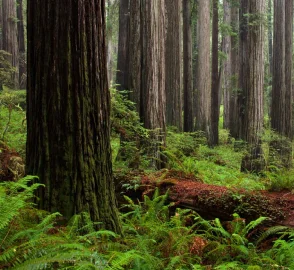
Coastal Redwoods play a crucial role in their ecosystem. They provide habitat for a myriad of species, including birds, mammals, and insects. The dense canopy formed by these trees creates a unique microclimate that supports diverse plant life beneath, including ferns, shrubs, and other tree species. This biodiversity is essential for maintaining ecological balance and resilience against climate change.

Moreover, Coastal Redwoods are significant carbon sinks. They absorb large amounts of carbon dioxide from the atmosphere, helping to mitigate the effects of climate change. A mature Coastal Redwood can sequester over 1,000 tons of carbon dioxide over its lifetime, making them invaluable in the fight against global warming.

Fun Facts About Coastal Redwoods

Here are some fascinating facts about these magnificent trees:

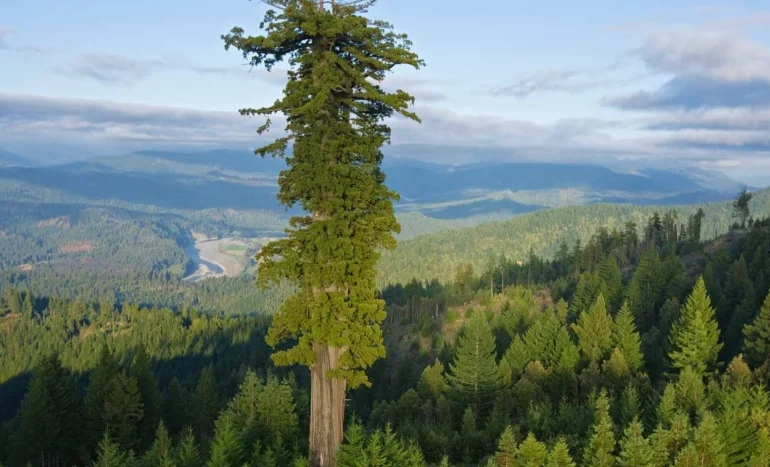
  • Tallest Tree: The tallest tree in the world, named Hyperion, is a Coastal Redwood located in California's Redwood National Park. It was discovered in 2006 and stands at an astounding height of 379.7 feet (115.7 meters).
  • Rapid Growth: Coastal Redwoods can grow up to 2 feet (0.6 meters) in diameter each year under optimal conditions.
  • Ancient Life: The oldest known Coastal Redwood is estimated to be over 2,200 years old, making it a living witness to centuries of history.
  • Survival Skills: Redwood trees can survive for centuries due to their thick bark, which insulates them against fires, and their ability to regenerate after being damaged.

Historical Significance

The history of Coastal Redwoods is as rich as their stature. Indigenous tribes, such as the Yurok and the Karuk, have revered these trees for thousands of years, using their wood for construction, tools, and ceremonial purposes. The arrival of European settlers in the 19th century marked a turning point for these giants. The demand for redwood lumber skyrocketed, leading to extensive logging that threatened their existence.

In response to the devastation, conservation efforts began in the early 20th century, resulting in the establishment of national and state parks dedicated to preserving these extraordinary trees. Today, parks like the Redwood National and State Parks in California protect over 139,000 acres of old-growth redwood forests, ensuring that future generations can experience their grandeur.

Environmental Impact

The environmental impact of Coastal Redwoods extends beyond their immediate ecosystem. Their extensive root systems help stabilize soil and prevent erosion, while their large canopies intercept rainfall, allowing for gradual water absorption into the ground. This process helps maintain groundwater levels and supports surrounding flora and fauna.

Furthermore, Coastal Redwoods contribute to the health of the atmosphere. By sequestering carbon and producing oxygen, they play a vital role in sustaining life on Earth. Their ability to thrive in coastal climates also makes them resilient to changing weather patterns, which is increasingly important in the context of climate change.

Conservation Efforts and Grow Billion Trees Partners

Organizations like Grow Billion Trees Partners are at the forefront of conservation efforts aimed at preserving Coastal Redwoods and promoting reforestation initiatives. Their mission is to plant a billion trees globally, with a significant focus on areas where Coastal Redwoods thrive.

Through partnerships with local communities, government agencies, and environmental organizations, they execute projects that not only plant trees but also educate the public about the importance of forest ecosystems. Grow Billion Trees Partners employs a multi-faceted approach to conservation:

  • Community Involvement: By involving local communities in tree planting and maintenance, they foster a sense of ownership and responsibility towards the environment.
  • Education and Awareness: They conduct workshops and outreach programs to raise awareness about the ecological importance of Coastal Redwoods and the need for conservation.
  • Research and Monitoring: Collaborating with scientists and researchers, they monitor the health of redwood forests and assess the impact of climate change on these ecosystems.
  • Restoration Projects: They focus on restoring degraded areas by planting native species, ensuring a balanced ecosystem that supports the growth of Coastal Redwoods.

Through these initiatives, Grow Billion Trees Partners not only contributes to the preservation of Coastal Redwoods but also promotes a broader understanding of forest ecosystems and their significance in combating climate change.

Challenges Facing Coastal Redwoods

Despite their resilience, Coastal Redwoods face several challenges that threaten their survival. Climate change poses a significant risk, as rising temperatures and changing precipitation patterns can alter their growth conditions. Additionally, invasive species can disrupt the delicate balance of their ecosystem, leading to competition for resources.

Wildfires, although a natural part of the redwood ecosystem, are becoming more intense and frequent due to climate change. While mature redwoods can withstand low-intensity fires, severe fires can kill even these giants. The increased frequency of droughts can also weaken trees, making them more susceptible to pests and diseases.

The Future of Coastal Redwoods

The future of Coastal Redwoods depends on our collective efforts to protect and restore these magnificent trees. Conservation initiatives, like those led by Grow Billion Trees Partners, are crucial in ensuring that these giants continue to thrive. By planting new trees, restoring habitats, and raising awareness about the importance of redwoods, we can help secure a future for these iconic trees.

As individuals, we can contribute to these efforts by supporting organizations focused on reforestation, participating in local tree-planting events, and advocating for policies that protect forests. Every action counts, and together, we can make a difference.

Conclusion

The Coastal Redwood tree stands as a testament to nature's resilience and beauty. These majestic giants not only hold secrets of time but also play an essential role in maintaining the health of our planet. By understanding their ecological importance, historical significance, and the challenges they face, we can better appreciate the need for conservation efforts.

Organizations like Grow Billion Trees Partners are leading the charge in preserving these ancient trees, ensuring that they continue to inspire awe for generations to come. Let us join hands in protecting these magnificent giants and the ecosystems they support, for they are not just trees; they are living monuments to our planet's history and a vital part of our future.

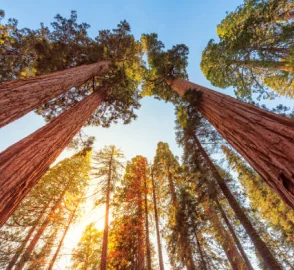
Towering Coastal Redwood Trees
Redwood National Park

Coastal Redwood Habitat

The Coastal Redwood tree isn't just a pretty face; it's a whole ecosystem in itself! These towering titans create a lush microclimate beneath their expansive canopies, providing a cozy home for countless species. From playful squirrels to elegant deer, the Redwood forest is a vibrant community where every creature plays a role. The ferns and shrubs that thrive in the shade are just the cherry on top of this ecological sundae!

Redwood Lifespan

Talk about longevity! Coastal Redwoods can live for over 2,000 years, making them the true elders of the forest. Imagine the stories they could tell if trees could talk! They've witnessed the rise and fall of civilizations, survived natural disasters, and stood tall through centuries of change. Each ring in their trunk is like a chapter in a history book, filled with tales of resilience and strength.

Carbon Sequestration

If trees had a superhero power, it would be carbon sequestration! Coastal Redwoods are champions in the fight against climate change, absorbing massive amounts of carbon dioxide from the atmosphere. A mature Redwood can sequester over 1,000 tons of CO2 in its lifetime, making it a true eco-warrior. So, every time you see one of these giants, remember they're not just standing there; they're working hard to keep our planet healthy!

Vegetative Reproduction

Forget dating apps; Coastal Redwoods have their own unique way of finding love—through vegetative reproduction! These trees can sprout new trunks from their roots or the base of their trunks, creating a whole family of Redwoods without the hassle of seeds. It's like having a built-in cloning system, ensuring that even after a forest fire, the legacy of these giants continues to thrive.

Ecological Balance

Think of Coastal Redwoods as the peacekeepers of their ecosystem. Their towering presence creates a stable environment that supports a diverse range of flora and fauna. By providing shelter and food, they help maintain a delicate balance in nature. The rich biodiversity beneath their canopy isn't just a pretty sight; it's essential for the health and resilience of the entire ecosystem.

Historical Significance

The Coastal Redwood tree is not just a natural wonder; it's a living piece of history! Indigenous tribes have revered these giants for thousands of years, using their wood for tools and ceremonies. However, the arrival of European settlers brought a wave of logging that threatened their existence. Today, thanks to conservation efforts, these ancient trees are protected, allowing us to appreciate their historical significance while enjoying their majestic beauty.

Fire Resistance

With bark up to 12 inches thick, Coastal Redwoods are like nature's firefighters. Their thick, tannin-rich bark insulates them from flames, allowing them to survive low-intensity fires that sweep through their habitat. While other trees may succumb to the heat, these giants stand tall, showcasing their incredible resilience. It's as if they're saying, "Fire? Bring it on!"

Community Involvement

When it comes to conservation, Coastal Redwoods have a strong support system. Organizations like Grow Billion Trees Partners are rallying local communities to get involved in tree planting and maintenance. By fostering a sense of ownership and responsibility, they ensure that everyone plays a part in protecting these magnificent giants. It's a team effort, proving that when we work together, we can make a difference!

Redwood National Park

If you're looking for a place where time stands still, look no further than Redwood National Park. Home to some of the tallest trees on Earth, this park is a natural wonderland that attracts visitors from around the globe. Walking among these giants is like stepping into a living cathedral, where the air is filled with the scent of ancient wood and the sounds of nature. It's a must-visit for anyone who wants to experience the grandeur of Coastal Redwoods firsthand!

Invasive Species Threat

While Coastal Redwoods are tough cookies, they're not invincible. Invasive species pose a significant threat to their ecosystem, competing for resources and disrupting the delicate balance of nature. These unwelcome guests can wreak havoc, making it crucial for conservationists to monitor and manage their impact. After all, no one likes a party crasher, especially when it comes to protecting our beloved Redwoods!

Climate Change Challenges

Even the mighty Coastal Redwood isn't immune to the challenges of climate change. Rising temperatures and shifting precipitation patterns can alter their growth conditions, making survival a bit more challenging. Wildfires, once a natural part of their ecosystem, are becoming more intense and frequent, putting these giants at risk. It's a tough world out there, and the future of Coastal Redwoods depends on our collective efforts to combat climate change and protect their habitat.

FAQ

What is a Coastal Redwood?

The Coastal Redwood, or Sequoia sempervirens, is the tallest tree species on Earth, reaching over 350 feet. Native to Northern California and Southern Oregon, these ancient giants can live over 2,000 years.

01

How do Coastal Redwoods reproduce?

Coastal Redwoods reproduce through seeds and can also regenerate from roots or trunks, allowing them to recover from forest fires effectively.

02

Why are Coastal Redwoods ecologically important?

These giants provide habitat for countless species, create microclimates, support plant diversity, and absorb significant amounts of CO2, helping combat climate change.

03

What are some fun facts about Coastal Redwoods?

They can grow over 2 feet in diameter per year, live over 2,200 years, and are considered the tallest living trees on the planet!

04

What historical significance do Coastal Redwoods hold?

Indigenous tribes like the Yurok and Karuk used Redwoods for tools and ceremonies. Logging in the 19th century threatened them, but conservation efforts now protect these ancient giants.

05

What is the environmental impact of Coastal Redwoods?

Redwoods stabilize soil, prevent erosion, intercept rainfall, sequester carbon, and produce oxygen, playing a critical role in sustaining ecosystems and combating climate change.

06

How is Grow Billion Trees Partners involved in conservation?

They focus on planting and restoring forests, engage communities, educate about forest health, and promote the conservation of Coastal Redwoods globally.

07

What challenges do Coastal Redwoods face?

Climate change, invasive species, wildfires, and droughts pose threats, making these ancient giants more vulnerable to pests and environmental stress.

08

What can individuals do to help Coastal Redwoods?

Support reforestation organizations, participate in tree-planting events, and advocate for forest protection policies to help preserve these majestic giants.

09

What makes Coastal Redwoods unique?

Their height, thick fire-resistant bark, evergreen needle-like leaves, and lifespan of over 2,000 years make them unique and resilient giants.

10

How do Coastal Redwoods contribute to climate change mitigation?

Mature Redwoods can sequester over 1,000 tons of CO2 in their lifetime, making them vital in the fight against global warming and climate change.

11
logo
back top