

Miyawaki Forests
Miyawaki Forests:
Revolutionizing Urban Green Spaces
In the world of ecological conservation and urban rejuvenation, the emergence of Miyawaki Forests has sparked a revolution. These miniature woodlands, pioneered by the visionary Japanese botanist Akira Miyawaki, stand as beacons of hope amid urbanization and environmental degradation.
This comprehensive guide aims to delve into the depths of Miyawaki Forests, catering to enthusiasts, developers, and learners alike. With a blend of wit and wisdom, we'll navigate through the essence, types, development strategies, and conservation challenges of these green marvels.
Key Insight
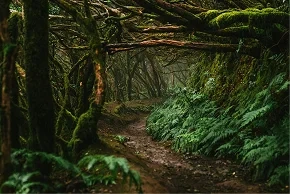
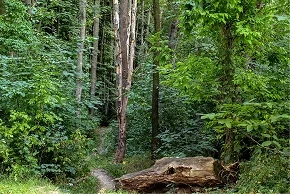
About Miyawaki Forests Miyawaki Forests, also known as Urban Mini-Forests or Tiny Forests, represent a paradigm shift in afforestation methodologies. Unlike traditional approaches that prioritize monoculture or exotic species, Miyawaki Forests emulate natural forests, boasting dense vegetation and high biodiversity.
Spanning just a few hundred square meters, these forests pack an ecological punch, fostering rapid growth and self-sustainability.
Types of Miyawaki Forests
Definition: Miyawaki Forests are dense, indigenous woodlands created in small urban spaces using a methodology that prioritizes biodiversity, density, and rapid growth, mirroring the structure and function of natural forests.
Urban Miyawaki Forests: Nestled amidst concrete jungles, these green oases combat pollution, mitigate urban heat islands, and enhance biodiversity.
Rural Miyawaki Forests: Sprouting in rural landscapes, these forests reclaim degraded lands, prevent soil erosion, and support local ecosystems.
Educational Miyawaki Forests: Rooted in educational institutions, these forests serve as living classrooms, nurturing environmental awareness and stewardship among students.
Important Facts
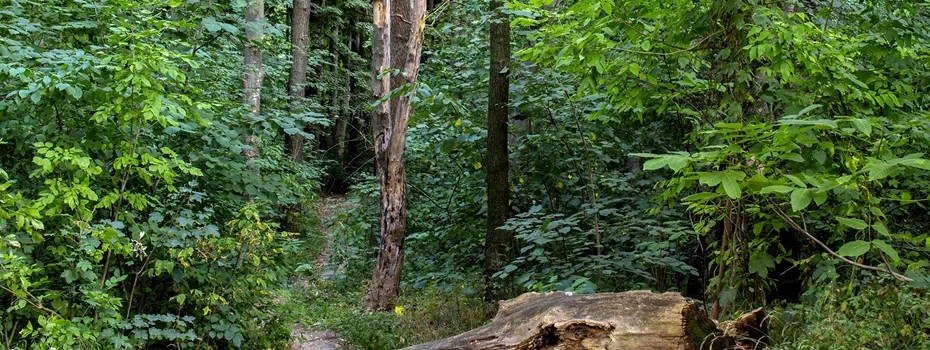
- Accelerated Growth: Miyawaki Forests burgeon ten times faster and are thirty times denser than conventional forests, hastening ecological restoration.
- Carbon Sequestration: These forests act as carbon sinks, mitigating climate change by absorbing carbon dioxide from the atmosphere at an accelerated rate.
- Low Maintenance: Once established, Miyawaki Forests require minimal maintenance, making them cost-effective and sustainable green solutions for urban landscapes.
Geographical Location in India: In India, the Miyawaki Forest movement has gained traction, particularly in burgeoning urban centers grappling with environmental degradation. From the bustling streets of Delhi to the coastal cities of Mumbai and Chennai, Miyawaki Forests have taken root, revitalizing urban spaces and nurturing biodiversity.
Furthermore, rural regions across the country have embraced Miyawaki Forests as a tool for sustainable land management and agricultural resilience.
Importance
- Biodiversity Hotspots: These miniature forests harbor an array of native flora and fauna, promoting biodiversity conservation and habitat restoration.
- Urban Resilience: Miyawaki Forests mitigate the adverse impacts of urbanization, including air pollution, heat stress, and loss of green spaces, fostering resilient and livable cities.
- Community Engagement: Engaging local communities in Miyawaki Forest initiatives fosters a sense of ownership and stewardship, catalyzing collective action for environmental sustainability.
Development Strategies
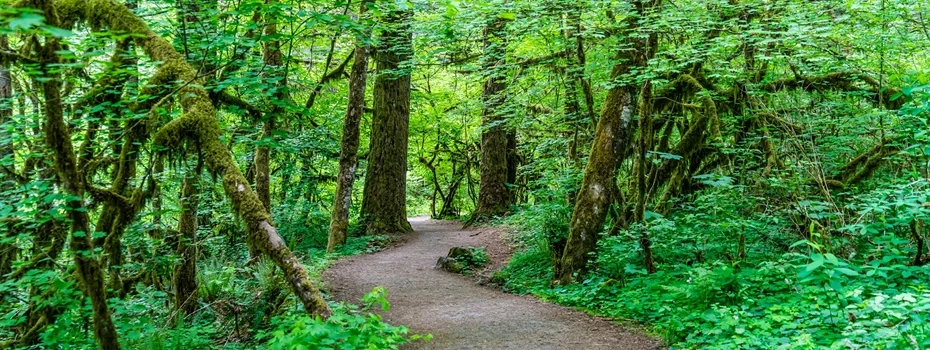
- Site Selection: Identify suitable locations with ample sunlight, space, and access to water for optimal forest growth.
- Soil Preparation: Enhance soil fertility and structure through composting, mulching, and organic amendments to create an optimal habitat for plant growth.
- Plant Selection: Curate a diverse array of indigenous plant species suited to the local climate and soil conditions, ensuring ecological resilience and biodiversity.
- Maintenance Regime: Implement regular watering, weeding, and monitoring protocols during the initial establishment phase to facilitate forest growth and resilience.
- Community Collaboration: Foster partnerships with local governments, organizations, and communities to garner support, resources, and collective action for Miyawaki Forest initiatives.
Key Insights for Learning
- Embrace Diversity: Prioritize biodiversity over aesthetics, incorporating a rich tapestry of native plant species to enhance ecological resilience and functionality.
- Adaptation and Innovation: Experiment with diverse planting techniques, soil amendments, and maintenance practices to tailor Miyawaki Forest methodologies to local contexts and challenges.
- Community Empowerment: Engage and empower local communities through participatory decision-making, capacity-building, and environmental education initiatives, fostering a culture of environmental stewardship and collective action.
Threats Faced
- Urbanization Pressure: Rapid urbanization and land-use change pose threats to existing Miyawaki Forests, leading to habitat fragmentation and degradation.
- Invasive Species: The introduction of invasive plant species and pests threatens the integrity and functionality of Miyawaki Forest ecosystems, requiring vigilant monitoring and management.
- Climate Change Impacts: Extreme weather events, including droughts, floods, and heatwaves, exacerbate the vulnerability of Miyawaki Forests, necessitating adaptive management strategies and resilience-building measures.
- Funding Constraints: Limited financial resources and institutional support hinder the long-term sustainability and scalability of Miyawaki Forest initiatives, underscoring the need for diversified funding mechanisms and partnerships.
Conservation
- Legal Protections: Advocate for the designation of Miyawaki Forests as protected areas or green spaces, safeguarding them from encroachment, development, and exploitation.
- Monitoring and Enforcement: Establish robust monitoring and enforcement mechanisms to prevent illegal logging, encroachment, and habitat destruction, ensuring the integrity and resilience of Miyawaki Forest ecosystems.
- Research and Innovation: Invest in scientific research, innovation, and knowledge-sharing platforms to enhance our understanding of Miyawaki Forest ecology, management, and restoration techniques.
- Education and Outreach: Raise public awareness and appreciation for Miyawaki Forests through educational programs, outreach activities, and community engagement initiatives, fostering a culture of environmental stewardship and conservation.
Conclusion
Conclusion: In conclusion, Miyawaki Forests stand as verdant testimonials to the power of nature-inspired innovation and community-driven conservation. As we navigate the complexities of urbanization, climate change, and biodiversity loss, Miyawaki Forests offer a beacon of hope, redefining our relationship with the natural world and nurturing greener, healthier, and more resilient communities.
So let us embrace the Miyawaki Forest ethos, sowing the seeds of change and cultivating green havens that flourish for generations to come.
1
Miyawaki Forests
Miyawaki forests are a dense, fast-growing method of afforestation named after the Japanese botanist Akira Miyawaki. These forests aim to restore biodiversity and mitigate climate change by creating native ecosystems in small spaces.
2
Native Species
Native species are essential for the success of Miyawaki forests as they contribute to ecosystem restoration and biodiversity conservation. Using indigenous plants ensures resilience and sustainability in the ecosystem.
3
Soil Preparation
Proper soil preparation is crucial for Miyawaki forest establishment, enhancing nutrient availability and water retention. It involves soil testing, organic matter addition, and soil conditioning to create an optimal environment for plant growth.
4
Microclimate Management
Microclimate management involves creating favorable conditions for plant growth within Miyawaki forests. Techniques such as mulching, watering, and wind protection help maintain suitable microclimates for plant establishment.
5
Tree Density
The density of trees in Miyawaki forests is much higher compared to traditional afforestation methods, promoting rapid growth and biodiversity. Close spacing encourages competition among plants, leading to faster vertical growth.
6
Watering Regimen
A consistent watering regimen is vital for the establishment of Miyawaki forests, especially during the initial growth phase. Proper watering ensures adequate moisture for plant survival and growth, fostering a healthy ecosystem.
7
Mulching
Mulching plays a crucial role in Miyawaki forests by conserving soil moisture, suppressing weeds, and enriching the soil with organic matter. It helps maintain optimal growing conditions for plants, promoting their establishment and growth.
8
Companion Planting
Companion planting involves strategically pairing different plant species within Miyawaki forests to enhance biodiversity and ecosystem resilience. It fosters symbiotic relationships among plants, improving overall ecosystem health.
9
Maintenance Practices
Regular maintenance practices such as pruning, weeding, and pest control are essential for the long-term health and sustainability of Miyawaki forests. Proper maintenance ensures the continued growth and development of the ecosystem.
10
Community Engagement
Community engagement is vital for the success of Miyawaki forests, involving local communities in planting, maintenance, and stewardship activities. It fosters a sense of ownership and responsibility, leading to greater support and participation in forest conservation efforts.
 OUR FAQ US
Frequently Asked Questions About Miyawaki Forests
What are Miyawaki Forests?
Miyawaki Forests are dense, native forests that are grown using the Miyawaki method, a technique pioneered by Japanese botanist Akira Miyawaki. This method involves planting a variety of native plant species in a small area, closely packed together to mimic the natural growth of a forest.
01
How do Miyawaki Forests benefit the environment?
Miyawaki Forests offer numerous environmental benefits. They help combat climate change by sequestering carbon dioxide, improve air quality by filtering pollutants, enhance biodiversity by providing habitat for various plant and animal species, and promote soil health and water retention.
02
Where can Miyawaki Forests be established?
Miyawaki Forests can be established in a variety of locations, including urban areas, degraded lands, schools, parks, and private properties. They are adaptable to different soil types and climatic conditions.
03
How long does it take for a Miyawaki Forest to mature?
The timeline for a Miyawaki Forest to reach maturity varies depending on factors such as plant species, soil conditions, and climate. However, typically, it takes around 3 to 5 years for a Miyawaki Forest to become self-sustaining and begin resembling a natural forest ecosystem.
04
What is the difference between Miyawaki Forests and traditional afforestation methods?
Traditional afforestation methods often involve planting monocultures or a limited number of tree species in rows, which may take longer to establish and offer fewer environmental benefits compared to Miyawaki Forests. Miyawaki Forests, on the other hand, utilize a diverse mix of native plant species and are planted densely to accelerate growth and mimic natural forest ecosystems.
05
Are Miyawaki Forests suitable for urban areas?
Yes, Miyawaki Forests are highly suitable for urban areas. They can be established in small spaces such as parks, roadside strips, school campuses, and even rooftops, providing numerous environmental benefits while enhancing green spaces in cities.
06
How much maintenance do Miyawaki Forests require?
Miyawaki Forests require minimal maintenance once established. Initially, regular watering and weeding may be necessary to support plant growth, but once the forest becomes self-sustaining, maintenance efforts are significantly reduced.
07
Can Miyawaki Forests be established on private properties?
Yes, Miyawaki Forests can be established on private properties, including residential and commercial land. They offer property owners an opportunity to contribute to environmental conservation while beautifying their surroundings and enhancing property value.
08
What is the cost of establishing a Miyawaki Forest?
The cost of establishing a Miyawaki Forest varies depending on factors such as the size of the area, availability of native plant species, and labor costs. Generally, the initial investment may be higher compared to traditional afforestation methods due to the diversity of plant species and intensive planting density, but the long-term environmental benefits outweigh the costs.
09
Do Miyawaki Forests require any special permits or permissions?
The requirements for establishing Miyawaki Forests may vary depending on local regulations and land ownership. In some cases, obtaining permits or permissions from relevant authorities may be necessary, especially if the land is publicly owned or protected. It's advisable to consult with local authorities or environmental agencies before initiating a Miyawaki Forest project.
10
Send Your Mail
OUR CONTACT NOW
Determine You Want To Achieve
Relaxing Garden & Functional.
Business tailored design, management & support services. Business agency elit, sed do eiusmod tempor...