

Black Willow Tree
Black Willow Tree: Unveiling the Secrets of Nature's Resilient Beauty and Benefits

Black Willow Tree: Nature's Resilient Beauty and Ecological Champion
Scientific Classification and Characteristics
Fun Facts About Black Willow
Historical Significance
Environmental Impact
Wildlife Habitat
Role of Grow Billion Trees Partners
Conclusion
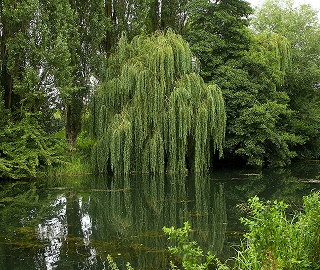
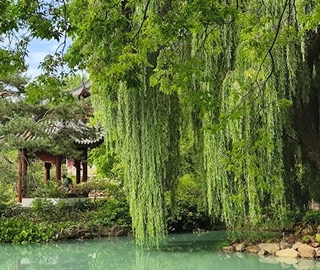
Black Willow Tree: Nature’s Resilient Beauty and Ecological Champion
Scientific Characteristics
Medicinal Uses
Wildlife Habitat
Carbon Sequestration and Climate Benefits
Erosion Control
Historical Significance
Community Engagement & Education
Conclusion
FAQs
What is the Black Willow tree?
The Black Willow (Salix nigra) is a deciduous tree native to North America, known for its graceful form, lush foliage, and ability to thrive in wetland areas, providing ecological and environmental benefits.
How tall does the Black Willow grow?
It can reach up to 100 feet tall with a trunk diameter of 2–3 feet, making it a majestic presence in landscapes such as wetlands, riverbanks, and floodplains.
What are the leaves like on a Black Willow?
The leaves are long, slender, and lanceolate, up to 6 inches in length, glossy green on the upper side and pale with hairs underneath, giving a striking visual contrast.
How fast does the Black Willow grow?
Black Willows are fast-growing, often reaching maturity in 10–15 years, making them ideal for rapid greening and habitat restoration projects.
What role does the Black Willow play in the ecosystem?
It provides habitat and food for birds, insects, and mammals. Its roots prevent soil erosion and stabilize riverbanks, supporting overall ecological balance.
Can the Black Willow help with climate change?
Yes! As a fast-growing tree, it sequesters carbon dioxide efficiently, helping mitigate climate change and improving air quality in its surroundings.
What historical significance does the Black Willow have?
Native Americans used its bark for medicinal teas and crafting, while settlers valued it for erosion control and floodplain stabilization, making it historically important for practical and cultural reasons.
How does the Black Willow contribute to water quality?
Its extensive roots reduce soil erosion and sediment runoff along riverbanks and lakeshores, acting like a natural water filter that protects and maintains clean waterways.
What is Grow Billion Trees Partners?
It is an organization dedicated to tree-planting initiatives, including Black Willows, aiming to combat deforestation, promote reforestation, and create greener, sustainable environments.
How does Grow Billion Trees Partners execute its projects?
They engage communities, provide sustainable forestry training, partner with organizations and governments, and monitor tree health to ensure successful growth and ecological impact.
Why should I consider planting a Black Willow?
Planting a Black Willow enhances landscapes, supports wildlife, improves air and water quality, and contributes to long-term biodiversity and ecological sustainability.
Your Suggestions
Leave your message and we'll get back to you shortly.