

Poovarasu Tree: A Symbol of Strength and Sustainability
Poovarasu Tree - A Symbol of Strength and Sustainability

The Poovarasu tree, admired for its robustness and versatility, is a critical part of ecosystems in coastal and tropical regions. This tree provides numerous ecological and economic benefits, serving as a vital resource for local communities.

Botanical Marvel

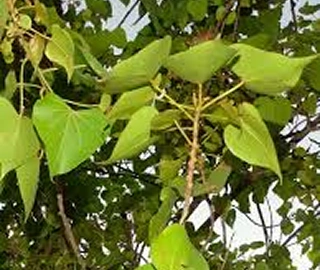
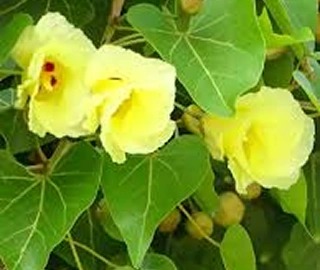
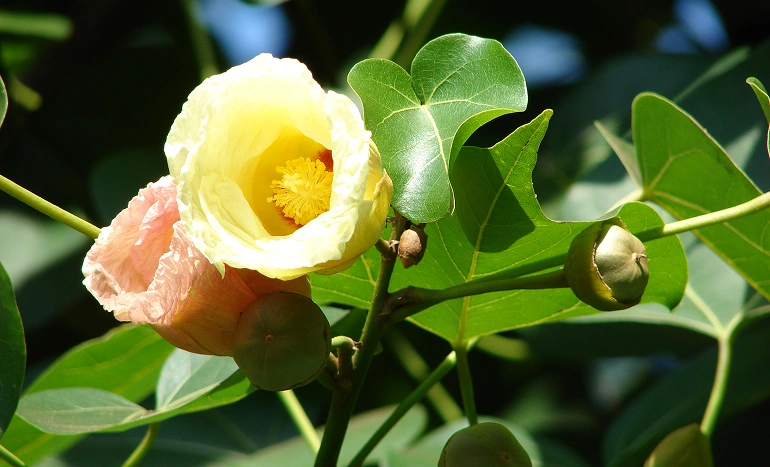
The Poovarasu tree, scientifically known as Thespesia populnea, goes by various names around the world. It is commonly referred to as Indian Tulip Tree in English, Portia Tree, or Milo in Polynesia. In Tamil, it is called Poovarasu, and in Malayalam, it's known as Poovarasam. This medium-sized tree can reach heights of up to 50 feet and is easily recognized by its heart-shaped leaves and large, yellow flowers with a purple center. Its hardy nature makes it particularly well-suited for coastal environments, where it often serves as a natural windbreak.

Cultural Symbolism

The Poovarasu tree holds special significance in many cultures. In India, it is used in traditional ceremonies, especially in coastal regions, where it symbolizes protection and resilience. Its wood is often utilized in the creation of religious artifacts, and the tree is considered sacred in various traditions.

Ecological Keystone

The Poovarasu tree plays a crucial ecological role, particularly in coastal areas. Its dense root system helps prevent soil erosion, especially in regions prone to strong winds and tidal waves. The tree also provides shelter for birds and insects, supporting local biodiversity.

Versatile Uses

The Poovarasu tree has a wide range of uses. Its wood, resistant to termites and rot, is used in making boats, furniture, and various construction materials. The bark and leaves are known for their medicinal properties and are traditionally used to treat skin conditions, wounds, and inflammation. Its flowers and seeds are used in traditional remedies and have applications in local cuisine.

Economic Importance

The Poovarasu tree is economically valuable due to its durable wood and medicinal products. Communities near coastal areas rely on the tree for timber, which is used in boat building and construction. The tree's medicinal extracts are also traded, contributing to the local economy.

Traditional Knowledge

Indigenous communities have a deep understanding of the Poovarasu tree and its uses. The knowledge of how to use the tree's bark, leaves, and flowers for medicinal purposes has been passed down through generations. This traditional wisdom is essential in maintaining the sustainable use of the tree's resources.

Environmental Sustainability

Sustainable management of the Poovarasu tree is crucial for protecting coastal ecosystems. Its ability to stabilize the soil and its resilience against strong winds make it an important part of environmental conservation strategies in tropical areas. Integrating the Poovarasu tree into agroforestry systems can help enhance biodiversity and protect fragile landscapes.

Challenges and Opportunities

The Poovarasu tree faces challenges such as habitat loss due to coastal development and deforestation. However, these challenges also present opportunities for reforestation efforts, especially in areas where coastal erosion is a major concern. Promoting sustainable planting and conservation practices can help safeguard this valuable tree.

Community Empowerment

Empowering local communities with knowledge and resources to sustainably manage the Poovarasu tree can help enhance economic stability. Training programs focused on sustainable harvesting and the development of markets for Poovarasu products can improve livelihoods in regions where the tree is cultivated.

Climate Resilience

The Poovarasu tree is a valuable asset in combating the effects of climate change. Its ability to withstand high winds and salt spray makes it an ideal species for protecting coastal regions from the impacts of rising sea levels and extreme weather events. Planting Poovarasu trees can also aid in the restoration of degraded landscapes.

Consumer Awareness

Raising awareness about the ecological and economic benefits of the Poovarasu tree can promote responsible consumption. By choosing products made from sustainably sourced Poovarasu wood and other materials, consumers can contribute to environmental conservation while supporting the livelihoods of local communities.

Global Collaboration

Protecting and sustainably managing the Poovarasu tree requires collaboration between governments, NGOs, and local communities. International partnerships focused on coastal conservation, sustainable forestry, and economic development can help preserve this important species for future generations.

Conclusion

The Poovarasu tree stands as a symbol of strength, sustainability, and cultural significance. Its many benefits, from ecological resilience to economic opportunities, highlight the importance of this tree to both nature and human communities. By promoting sustainable practices and fostering collaboration, we can ensure that the Poovarasu tree continues to thrive and protect coastal ecosystems for years to come.

Poovarasu Tree - Majestic Beauty
Poovarasu Tree Flowers and Foliage
logo
back top