

Ber Tree
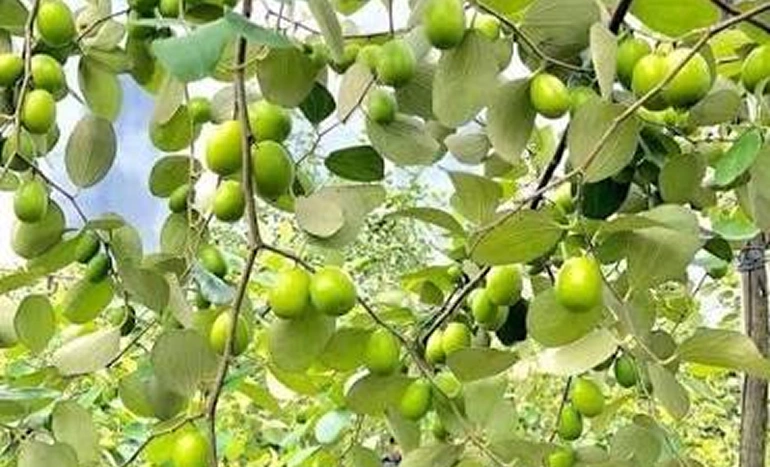
Ber Tree: Exploring the Riches of the Ber Tree
Ber Tree: Exploring the Riches of the Ber Tree
Botanical Marvel
Nutritional Powerhouse
Medicinal Properties
Cultural Significance
Ecological Role
Economic Importance
Traditional Uses
Agroforestry Benefits
Climate Resilience
Conservation Challenges
Sustainable Management
Community Empowerment
Research and Innovation
Conclusion
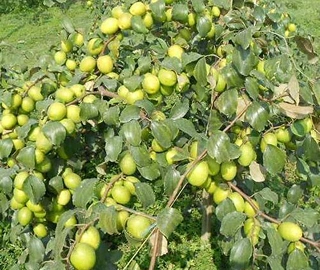
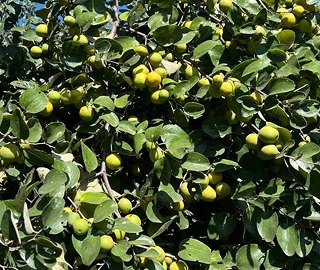
Ber Tree Facts
Ber Tree Ecology
Ber Tree Habitat
Ber Tree Growth and Adaptations
Ber Tree Cultivation
Ber Tree Uses
Ber Tree Economic Importance
Ber Tree Environmental Benefits
Ber Tree Medicinal Uses
Ber Tree Conservation
Ber Tree Pest and Disease Management
Ber Tree Symbolism and Cultural Significance
Ber Tree Myths and Legends
Ber Tree Art and Crafts
Ber Tree Research and Education
Ber Tree Traditional Knowledge
Ber Tree Climate Resilience
Ber Tree Agroforestry
Ber Tree Ecotourism
Ber Tree Global Distribution
FAQs
What is a Ber tree?
A Ber tree, scientifically known as Ziziphus mauritiana, is a deciduous tree native to the Indian subcontinent, parts of Africa, and the Middle East. It is valued for its edible fruits, medicinal properties, and cultural significance.
Where are Ber trees typically found?
Ber trees are commonly found in arid and semi-arid regions across the Indian subcontinent, including India, Pakistan, Bangladesh, and Sri Lanka. They thrive in dry forests, scrublands, and cultivated areas, supporting local ecosystems.
How tall can a Ber tree grow?
Ber trees can grow up to 5-10 meters tall, with a spreading crown and thorny branches. They have a relatively slow growth rate and can reach maturity within 5-8 years under favorable conditions.
What climate do Ber trees prefer?
Ber trees prefer hot and dry climates with well-defined dry and wet seasons. They are adapted to arid and semi-arid environments where temperatures can exceed 40°C in summer and rainfall is limited to 250-750 mm annually.
How long until a Ber tree matures?
Ber trees typically take 5-8 years to reach maturity and begin producing fruits. Once mature, they produce small, round fruits called "ber" or "Indian jujube," known for their sweet and tangy flavor.
How are Ber trees propagated?
Ber trees are primarily propagated through seeds, stem cuttings, or grafting. Seeds are collected from mature fruits, germinated in nurseries, and transplanted to the field.
What are the uses of Ber trees?
Ber trees are used for their edible fruits (fresh or dried), culinary products, traditional medicines, and materials from leaves, bark, and roots. They also support livestock fodder and cultural practices.
Are Ber trees resistant to pests and diseases?
Ber trees are generally resistant but can be affected by pathogens and environmental stressors. Proper care, including watering, pruning, and pest management, helps maintain tree health.
Can Ber trees be grown in gardens or urban landscapes?
Yes, Ber trees can be grown as ornamental specimens in gardens and parks. They prefer hot, dry climates with well-drained soil, suitable for arid and semi-arid regions.
What pests and diseases affect Ber trees?
Ber trees may be affected by fungal infections (powdery mildew, anthracnose) and insect pests (fruit flies, aphids). Integrated pest management can prevent and control these issues.
How do Ber trees contribute to soil health?
Ber trees improve soil fertility and structure through nitrogen fixation. Their roots harbor nitrogen-fixing bacteria that convert atmospheric nitrogen into usable nutrients for plants.
Are there any cultural rituals associated with Ber trees?
Ber trees are culturally significant, often associated with fertility, abundance, and protection. They are planted near homes, temples, and gravesites and hold spiritual importance in Hindu, Buddhist, and Islamic traditions.
Do Ber trees attract any specific wildlife species?
Ber trees provide food and habitat for birds, mammals, insects, and reptiles. Fruits are eaten by birds and monkeys, while insects and bees pollinate flowers, supporting biodiversity.
Can Ber trees tolerate drought conditions?
Yes, Ber trees are drought-tolerant once established. Their deep roots access groundwater, allowing them to survive long dry periods and thrive in regions with irregular rainfall.
Your Suggestions
Leave your message and we'll get back to you shortly.