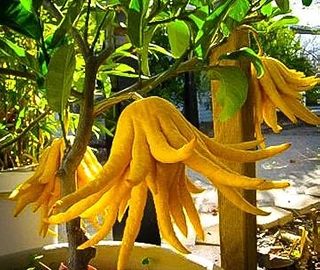

Buddha’s Hand Tree: Unlocking the Mystical Benefits and Unique Uses of This Enigmatic Citrus
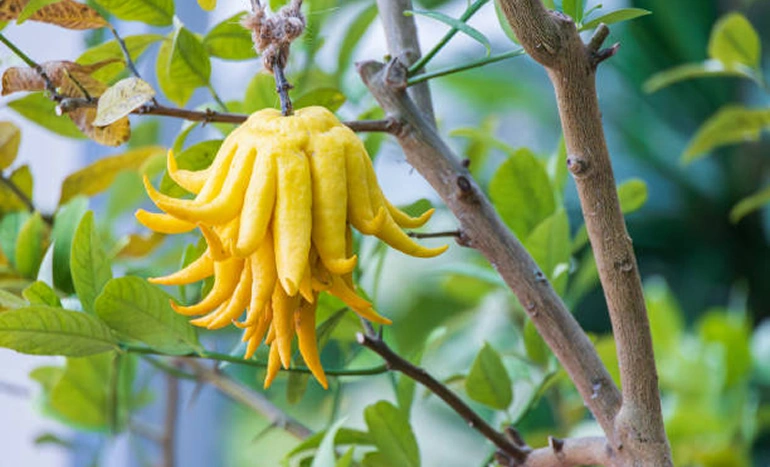
Aadusa Tree - Medicinal Plant

Buddha’s Hand Tree: Unlocking Mystical Benefits and Unique Uses

The Buddha’s Hand Tree (Citrus medica var. sarcodactylis) is a unique citrus with fruit resembling a hand with elongated fingers. Celebrated for its beauty, aroma, and cultural significance, this tree offers culinary, medicinal, and environmental benefits.

1. Historical and Cultural Significance

  • Originated in China over a thousand years ago.
  • Associated with Buddhist traditions; symbol of happiness, longevity, and good fortune.
  • Used in religious ceremonies and temple offerings.
  • Introduced to Japan, Korea, and the Western world for its aesthetic and aromatic qualities.

2. Unique Characteristics

  • Fruit shaped like a hand with elongated “fingers,” up to a foot long.
  • Bright yellow color and fragrant aroma.
  • Contains little to no pulp or juice; prized for zest and essential oils.

3. Culinary Uses

  • Zest can flavor oils, vinegars, spirits, and dressings.
  • Can be candied or made into jams and jellies.
  • Slices used for teas or cocktails.
  • Ideal garnish for desserts, dishes, and beverages.

4. Health Benefits

  • Rich in antioxidants and vitamin C.
  • Traditionally used to support respiratory health.
  • May aid digestion and relieve bloating.
  • Aromatic properties can reduce stress and anxiety.

5. Environmental Impact

  • Hardy tree that thrives in subtropical and tropical climates.
  • Root systems stabilize soil, prevent erosion, and support biodiversity.
  • Promotes local economies by providing high-value fruit for farmers.

6. Grow Billion Trees Partners

Grow Billion Trees Partners promotes sustainable cultivation of Buddha’s Hand Trees. They work with farmers and communities to provide training, resources, and awareness campaigns for reforestation and biodiversity conservation.

7. Growing Tips

  • Plant in well-drained soil with rich organic matter.
  • Provide full sun exposure and regular watering.
  • Use balanced fertilizer during the growing season.
  • Prune regularly to maintain shape and prevent disease.

8. Fun Facts

  • Also known as “fingered citron.”
  • Used in Japan for New Year celebrations for good luck.
  • Essential oils used in perfumes and cosmetics.
  • Inspires art, sculptures, and decorative crafts.

Conclusion

The Buddha’s Hand Tree is a remarkable plant that combines beauty, culture, culinary versatility, and environmental benefits. By supporting its cultivation and sustainable practices, we preserve this mystical citrus for future generations while promoting biodiversity and local economies.

Aadusa Tree Leaves - Medicinal Properties
Aadusa Tree Environmental Benefits

Buddha’s Hand Tree: Mystical Benefits and Unique Uses

The Buddha’s Hand Tree (Citrus medica var. sarcodactylis) is a striking citrus with fruit shaped like a hand with elongated fingers. Known for its aromatic zest, culinary versatility, medicinal properties, and spiritual symbolism, it has fascinated cultures around the world for centuries.

Culinary Uses

  • Zest is used to flavor oils, vinegars, spirits, desserts, and teas.
  • Can be candied or added to jams and jellies for a unique twist.
  • Striking appearance makes it a popular garnish for dishes and drinks.
  • Infused in beverages, cocktails, and teas for aromatic flavor.

Health Benefits

  • Rich in antioxidants and vitamin C, supporting overall wellness.
  • Essential oils may help with respiratory health and digestion.
  • Promotes relaxation and stress relief through aromatherapy.
  • Used in traditional medicine for centuries in China for holistic wellness.

Environmental Impact

  • Thrives in diverse climates and contributes to soil stabilization.
  • Promotes biodiversity by providing habitat for wildlife.
  • Supports sustainable farming practices and local economies.
  • Prevents soil erosion through extensive root systems.

Historical Significance

Originating in China over a thousand years ago, the Buddha’s Hand has been revered in Buddhist traditions as a symbol of happiness, prosperity, and good fortune. It has been used in religious ceremonies, temple offerings, and cultural festivals. Its journey to Japan, Korea, and eventually the Western world showcases its historical and spiritual importance.

Cultural Significance

The fruit is often featured in spiritual ceremonies, festivals, and rituals. Its distinctive shape symbolizes prosperity, happiness, and creativity, inspiring art, sculpture, and culinary presentation. Buddha’s Hand is celebrated as a cultural icon across Asia and beyond.

Aromatic Qualities

  • Essential oils extracted from the zest are used in perfumes, candles, and aromatherapy.
  • Fragrant aroma enhances culinary dishes, beverages, and home environments.
  • Provides a sensory experience that promotes relaxation and wellbeing.

Art and Creativity

Its unique hand-like shape inspires artisans and chefs alike, appearing in carvings, decorations, artwork, and culinary garnishes. Buddha’s Hand is a muse for creativity and artistic expression.

Growing Buddha’s Hand Trees

  • Plant in well-drained soil enriched with organic matter.
  • Requires full sun exposure and regular watering.
  • Prune regularly to maintain shape and improve air circulation.
  • Use balanced fertilizer during the growing season for optimal fruiting.
  • Thrives in warm, subtropical to tropical climates.

Sustainable Practices

Cultivation of Buddha’s Hand trees promotes eco-friendly agriculture and sustainable livelihoods. These trees support biodiversity, soil health, and local economies, providing high-value fruit for farmers while reducing environmental impact.

Grow Billion Trees Partners

Grow Billion Trees Partners advocates for the sustainable cultivation of Buddha’s Hand trees. Through training, community engagement, and resource provision, they promote reforestation, biodiversity conservation, and ecosystem restoration, benefiting both the environment and local communities.

Aromatic Qualities of Buddha’s Hand

The scent of Buddha’s Hand is like a fragrant hug for your senses! With its essential oils and aromatic zest, this fruit is a must-have for anyone looking to add a citrusy allure to their life. Whether you’re using it in perfumes, candles, or aromatherapy, its enchanting aroma will transport you to a sunny citrus grove with every whiff. Say goodbye to boring scents and hello to the captivating fragrance of Buddha’s Hand!

Buddha’s Hand in Traditional Medicine

Move over, traditional remedies; Buddha’s Hand is stepping into the spotlight! This fruit has been a staple in traditional Chinese medicine for centuries, known for its therapeutic properties. From easing respiratory issues to promoting digestion, it’s like a natural pharmacy wrapped in a citrus shell. With its rich history of wellness, Buddha’s Hand is the perfect addition to your holistic health routine—because who doesn’t want a little citrus magic in their life?

Buddha’s Hand in Art and Culture

The beauty of Buddha’s Hand extends beyond the kitchen and into the realms of art and culture. This fruit has inspired countless artists, symbolizing prosperity and happiness in various forms. From paintings to sculptures, its unique shape and vibrant color make it a muse for creativity. Whether it’s gracing a gallery or your dining table, Buddha’s Hand is a reminder of the artistic spirit that thrives in the celebration of nature’s wonders!

What is the Buddha’s Hand Tree?

The Buddha’s Hand Tree (Citrus medica var. sarcodactylis) is a citrus tree with fruit shaped like a hand with elongated fingers. Known for its aromatic zest, culinary versatility, medicinal properties, and spiritual symbolism, it has fascinated cultures worldwide for centuries.

12

What are the historical roots of the Buddha’s Hand?

Originating in China, the Buddha’s Hand has been cultivated for over a thousand years and is deeply intertwined with Buddhist traditions. It is seen as a symbol of happiness and good fortune and used in religious ceremonies.

13

How can Buddha’s Hand be used in cooking?

Its aromatic zest can elevate oils, vinegars, cocktails, and desserts. The fruit can be candied or used as a flavoring agent or garnish, adding visual and aromatic appeal to dishes.

14

What health benefits does Buddha’s Hand offer?

Rich in antioxidants and vitamin C, it supports wellness. Traditionally used for respiratory issues and digestive aid, its aromatic properties promote relaxation and stress relief.

15

How does the Buddha’s Hand Tree impact the environment?

Cultivation supports biodiversity and soil health. Its root systems prevent erosion, and the tree thrives in diverse climates, providing high-value crops for local farmers.

16

What sustainable practices are promoted by Grow Billion Trees Partners?

They provide training for cultivating Buddha’s Hand trees, reforestation, and community empowerment, helping farmers increase yields while minimizing environmental impact.

17

Can I grow my own Buddha’s Hand tree?

Yes! They thrive in warm, sunny climates with well-drained soil. With regular watering and balanced fertilization, you can cultivate this unique citrus tree successfully.

18

What makes Buddha’s Hand fruit unique?

Its hand-like shape, lack of pulp and juice, and aromatic zest make it prized for culinary and aromatic uses. It is a citrus fruit celebrated for its fragrance rather than juice.

19

Is Buddha’s Hand used in traditional medicine?

Yes! In traditional Chinese medicine, it is believed to aid respiratory and digestive issues. Its essential oils also provide calming effects.

20

What fun facts should I know about Buddha’s Hand?

In Japan, it is a New Year’s good luck charm. Its shape inspires art and culture, and its essential oils are used in high-end perfumes.

21

How can I incorporate Buddha’s Hand into my diet?

Use the zest to infuse oils or vinegars, add slices to teas and cocktails, or try candied versions. Its aromatic qualities enhance flavors and presentation in culinary dishes.

22
logo
back top