


Chironji Tree
Chironji Tree: A Nutty Chronicle of Culinary Delight and Traditional Splendor
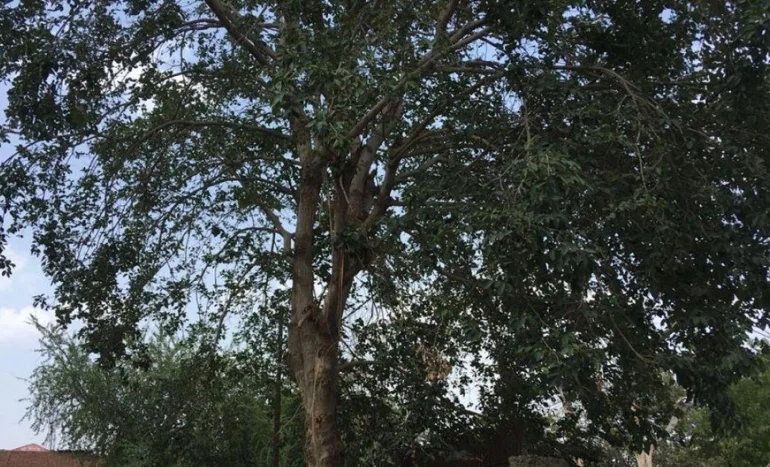
Botanical Profile of Chironji Tree
- Scientific Name: Buchanania cochinchinensis
- Family: Anacardiaceae
- Native Region: Southeast Asia, Indian subcontinent
- Common Names: Chironji, Charoli, Cuddapah Almond
Understanding the Chironji Tree
- Type: Evergreen tree
- Leaves: Compound, vibrant green foliage
- Nuts: Small, almond-shaped seeds
- Texture: Rich and creamy when consumed
- Climate: Tropical and subtropical regions
- Soil: Adaptable to various soil types
Cultural and Historical Significance
Nutritional and Medicinal Benefits
- Nutritional Powerhouse: Rich in proteins, vitamins, and minerals
- Ayurvedic Medicine: Used for digestive and respiratory issues
- Skin Health: Beneficial in skincare and haircare products
- Antioxidant Rich: Contains bioactive compounds for wellness
- Cooling Properties: Considered cooling in traditional medicine
- Energy Booster: Provides sustained energy and nutrition
Fun Facts About Chironji Tree
- Culinary Star: Prized in Indian sweets and savory dishes
- Cultural Symbol: Represents prosperity in traditional rituals
- Versatile Uses: Seeds, oil, bark, and leaves all have applications
- Traditional Knowledge: Centuries-old use in Ayurvedic medicine
- Economic Value: Supports local livelihoods through trade
- Ecological Role: Supports biodiversity in native habitats
How Grow Billion Trees Promotes Chironji Tree
- Sustainable Cultivation: Promoting eco-friendly farming practices
- Community Education: Teaching sustainable harvesting methods
- Agroforestry Integration: Incorporating into farming systems
- Genetic Conservation: Preserving diverse Chironji varieties
- Market Development: Creating fair trade opportunities
- Research Support: Studying nutritional and medicinal properties
Why Plant Chironji Trees?
- Culinary Value: Nutritious seeds for traditional dishes
- Medicinal Benefits: Natural remedies for various ailments
- Economic Potential: Income source for local communities
- Cultural Preservation: Maintaining traditional knowledge
- Ecological Benefits: Supporting local biodiversity
- Sustainability: Drought-resistant and low maintenance
Final Thought: Nature's Culinary Treasure
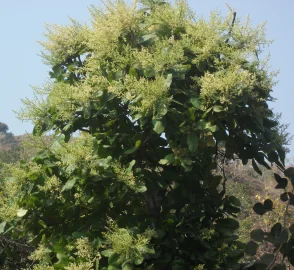

Chironji Tree Benefits
Chironji Tree (Buchanania lanzan)
Chironji Tree in Ayurveda
Chironji Tree Uses
Chironji Tree Cultivation
Chironji Tree Conservation
Chironji Tree Phytochemistry
Chironji Tree Traditional Knowledge
Chironji Tree Habitat
Chironji Tree Sustainable Practices
FAQ
What is the Chironji Tree?
The Chironji Tree, or Buchanania lanzan, is a deciduous tree native to the Indian subcontinent, valued for its edible seeds with culinary and medicinal importance.
01
What are the culinary uses of the Chironji seeds?
Chironji seeds are used in Indian cuisine for sweets, desserts, and savory dishes, adding a nutty flavor and creamy texture to enhance recipes.
02
How do Chironji seeds contribute to digestive health?
Rich in essential oils and dietary fiber, Chironji seeds aid digestion, alleviate constipation, and promote gastrointestinal well-being when consumed regularly.
03
Can Chironji seeds be used in traditional medicine?
Yes, they are used in Ayurvedic and Unani medicine for their cooling, diuretic, and aphrodisiac effects, supporting overall health.
04
Are Chironji seeds beneficial for skincare?
Yes, they are rich in antioxidants, vitamins, and minerals that nourish the skin, improve complexion, and combat signs of aging.
05
How does the Chironji tree contribute to agroforestry?
The tree provides shade, improves soil fertility, and supports biodiversity, making it valuable in agroforestry systems alongside agricultural crops.
06
Can the Chironji tree be grown in home gardens?
Yes, it can thrive in tropical and subtropical home gardens with well-drained soil, ample sunlight, and sufficient space for growth.
07
What are the traditional methods of harvesting Chironji seeds?
Seeds are harvested by collecting ripe fruits, drying them, and extracting the seeds using sustainable practices to preserve the tree’s resources.
08
Is the Chironji tree endangered due to overharvesting?
Yes, overharvesting in some regions threatens its populations. Sustainable harvesting and conservation efforts are crucial for protection.
09
How long does it take for a Chironji tree to bear fruit?
Chironji trees typically start producing fruit within 4 to 6 years after planting, with proper care, pruning, and environmental conditions.
10
Your Suggestions
Leave your message and we'll get back to you shortly.