

Silver Oak Tree
Silver Oak Tree: Unveiling the Majestic Secrets and Benefits of This Enchanting Giant
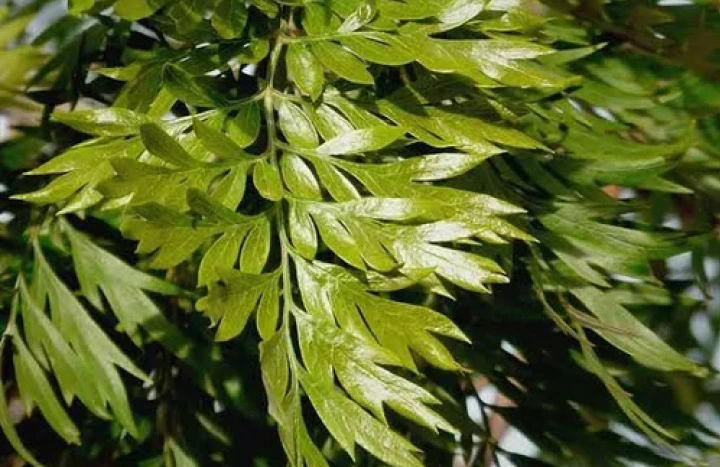
Silver Oak Tree: Majestic Beauty and Environmental Benefits
Scientific Classification
- Kingdom: Plantae
- Order: Proteales
- Family: Proteaceae
- Genus: Grevillea
- Species: Grevillea robusta
Physical Characteristics
Environmental Importance
- Carbon Sequestration: Absorbs CO2 and releases oxygen, helping mitigate climate change.
- Soil Improvement: Deep roots prevent erosion, improve soil structure, and enrich soil through leaf litter.
- Wildlife Habitat: Provides food, nectar, and shelter for birds, insects, and small mammals.
- Water Conservation: Extensive root system helps retain water and reduce irrigation needs.
Historical and Cultural Significance
Growing and Care Tips
- Site Selection: Full sun, well-drained soil, slightly acidic to neutral pH.
- Planting: Dig a hole twice the size of the root ball and ensure the tree is level with the ground.
- Watering: Maintain consistent moisture during the first year.
- Pruning: Remove dead or damaged branches and shape the canopy.
- Pest Management: Monitor for aphids and scale; use organic solutions if needed.
Role of Grow Billion Trees Partners
Urban Landscaping Benefits
- Shade: Provides cooling and reduces heat in urban areas.
- Noise Reduction: Acts as a natural sound barrier.
- Air Quality: Absorbs pollutants and releases oxygen.
- Property Value: Mature trees enhance landscape aesthetics and property value.
Fun Facts
Conclusion
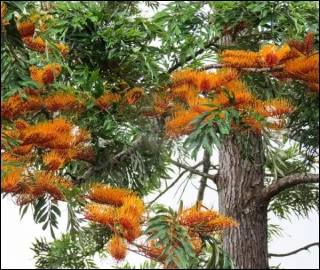
Silver Oak Tree: Benefits, Care, and Ecological Significance
Benefits
- Shade and Urban Comfort: Provides cool shade and reduces urban heat.
- Air Purification: Improves air quality by absorbing pollutants.
- Soil Enrichment: Leaf litter enriches the soil, supporting plant growth.
- Biodiversity: Flowers attract pollinators like bees and birds.
- Carbon Sequestration: Absorbs CO2, contributing to climate change mitigation (~22 kg per year per mature tree).
Growing Tips
Urban Landscaping
Historical and Cultural Significance
Wood Uses
Environmental Impact
Conservation Efforts
FAQs
What is the Silver Oak tree?
The Silver Oak tree (Grevillea robusta) is a tall evergreen native to Australia, known for its silvery leaves, yellow-orange flowers, and ecological contributions.
How long do Silver Oak trees live?
Silver Oak trees are long-lived, often exceeding 100 years, providing shade, beauty, and environmental benefits for generations.
What are the environmental benefits of Silver Oak trees?
They sequester carbon, improve soil quality, retain water, provide wildlife habitats, and enrich the soil through leaf litter, supporting healthy ecosystems.
How do I grow a Silver Oak tree?
Plant in a sunny spot with well-drained soil. Dig a hole twice the root ball size, water consistently, prune for strong structure, and monitor for pests.
What is the historical significance of the Silver Oak tree?
Indigenous Australians used its wood for tools and weapons. European settlers recognized its timber value and cultivated it worldwide, symbolizing resilience and adaptability.
How does Grow Billion Trees Partners help?
They engage communities in planting, form partnerships, invest in research, monitor tree growth, and run awareness campaigns promoting environmental sustainability.
Why are Silver Oak trees ideal for urban landscaping?
They provide shade, reduce noise, improve air quality, and enhance property value, making urban spaces more comfortable and attractive.
Are Silver Oak trees resistant to pests?
Generally, yes, but monitor for aphids and scale insects. Organic pesticides can help keep them healthy and thriving.
When is the flowering season for Silver Oak trees?
Late spring to early summer, with yellow-orange flowers that attract bees, birds, and other pollinators.
Can Silver Oak trees adapt to different soil types?
Yes, they thrive in a range of soils but prefer slightly acidic to neutral pH, making them versatile for various landscapes.
How do Silver Oak trees contribute to biodiversity?
They provide habitats, food, and shelter for birds, insects, and mammals, while enriching soil and water retention, promoting vibrant ecosystems.
Your Suggestions
Leave your message and we'll get back to you shortly.