


Manikara Tree
Manikara Tree: Unveiling the Sweetness and Sustainability of Nature's Marvel
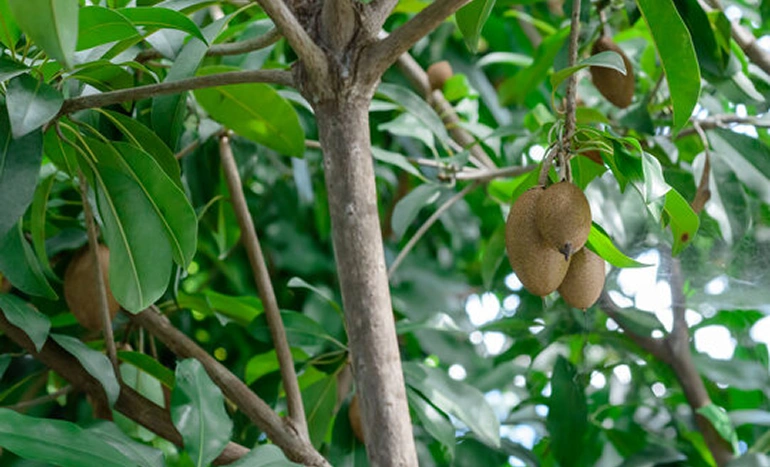
What is the Manikara Tree?
Environmental Benefits of the Manikara Tree
- Soil Conservation: The Manikara Tree's extensive root system helps prevent soil erosion, especially in areas prone to heavy rainfall.
- Carbon Sequestration: Like all trees, the Manikara Tree helps combat climate change by absorbing carbon dioxide from the atmosphere and converting it into oxygen.
- Biodiversity Support: The tree provides a habitat for various wildlife, including birds and insects, which helps maintain healthy ecosystems.
Fun Fact
Medicinal Properties of the Manikara Tree
- Antioxidant Properties: The fruit and bark contain compounds that are believed to help fight oxidative stress and prevent chronic diseases.
- Anti-inflammatory Effects: The bark has been used to reduce inflammation and treat conditions like arthritis.
- Digestive Health: The fruit is known for its digestive benefits, helping with constipation and promoting gut health.
Commercial Uses of the Manikara Tree
How to Grow the Manikara Tree
Sustainability and Conservation
Cultural Significance of the Manikara Tree
Conclusion
Manikara Tree Benefits
Medicinal Properties of Manikara Tree
Eco-Friendly Contributions of Manikara Tree
Manikara Tree Fruit Uses
Cultural Significance of Manikara Tree
Sustainability and Manikara Tree
Commercial Uses of Manikara Tree
Planting and Growing Manikara Tree
FAQ
What is the Manikara Tree?
The Manikara Tree, also known as the sapodilla or chikoo tree, produces sweet, nutrient-rich fruit while offering medicinal benefits, environmental protection, and sustainable timber, making it a hidden gem.
01
What are the benefits of the Manikara Tree's fruit?
The fruit of the Manikara Tree is packed with fiber, vitamins, and antioxidants. It's a sweet and nutritious snack that promotes digestive health and boosts your immune system.
02
How does the Manikara Tree contribute to the environment?
The Manikara Tree enriches soil, prevents erosion, and absorbs carbon dioxide, contributing to a healthier ecosystem and combating climate change, all while providing valuable resources for nature.
03
Can the Manikara Tree be used in traditional medicine?
Yes, the bark and leaves of the Manikara Tree are used in traditional medicine for their anti-inflammatory, antimicrobial, and antioxidant properties, helping treat everything from digestive issues to skin ailments.
04
How long does it take for the Manikara Tree to bear fruit?
The Manikara Tree typically starts bearing fruit after 5-7 years of planting, making it a long-term investment for anyone seeking to grow their own supply of sweet sapodillas.
05
What are the commercial uses of the Manikara Tree?
Beyond its fruit, the Manikara Tree is valued for its durable timber, used in furniture making and construction. Its sap, called chicle, was historically used in chewing gum production.
06
How easy is it to grow a Manikara Tree?
The Manikara Tree is relatively low-maintenance and thrives in tropical climates with well-drained soil. With proper care, it'll reward you with abundant fruit and eco-friendly benefits for years to come.
07
Why is it important to conserve the Manikara Tree?
Conserving the Manikara Tree ensures that its environmental benefits, medicinal properties, and resources are preserved for future generations, supporting both ecological balance and sustainable industries.
08
Your Suggestions
Leave your message and we'll get back to you shortly.