


Redwood Tree
Redwood Tree: Discover the Secrets of Nature's Majestic Giants
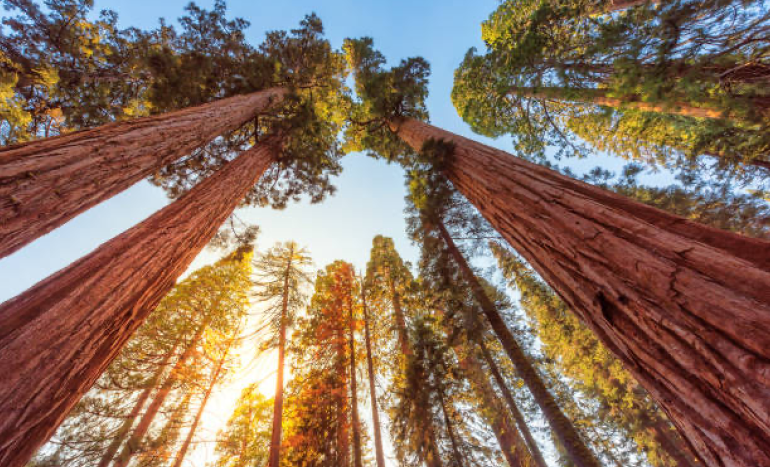
The Science of Redwoods
Fun Facts About Redwood Trees
- Redwoods are part of the Cupressaceae family, which also includes cypress and juniper trees.
- Their cones are small, measuring only about 1 to 2 inches in length, and can take up to 18 months to mature.
- Redwoods can produce seeds that are as tiny as a grain of rice, with each tree capable of producing thousands of seeds each year.
- Despite their massive size, redwoods have a shallow root system that spreads out over a large area, allowing them to absorb water and nutrients efficiently.
- Redwood forests provide habitat for diverse wildlife, including the endangered marbled murrelet and the northern spotted owl.
A Historical Perspective
Environmental Impact of Redwood Trees
Conservation Efforts and the Role of Grow Billion Trees Partners
The Future of Redwood Trees
Final Thoughts
Redwood Forests
Giant Sequoias
Coast Redwoods
Redwood Bark
Carbon Sequestration
Wildlife Habitat
Conservation Efforts
Historical Significance
Redwood Ecosystem
Fire Adaptation
Community Engagement
FAQ
FAQ’s
What are redwood trees?
Redwood trees, the towering titans of the forest, are the tallest living organisms on Earth, primarily found along California’s Pacific coast. Known scientifically as Sequoiadendron giganteum and Sequoia sempervirens, these majestic giants can soar over 350 feet high and live for over 2,000 years, making them the ancient custodians of our planet's history.
01
How tall can redwood trees grow?
Redwood trees can reach astonishing heights, with coast redwoods often exceeding 350 feet. The tallest known living tree, Hyperion, measures a jaw-dropping 379.7 feet! Imagine standing next to one of these giants; you might just feel like a tiny ant in comparison, marveling at nature’s architectural wonders reaching for the sky.
02
Why is redwood bark special?
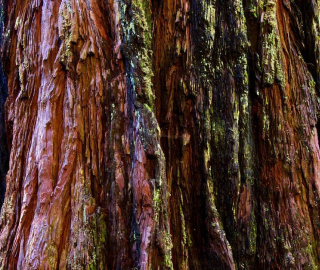
The bark of redwood trees is not just for show; it can be up to 12 inches thick! This fibrous armor is rich in tannins, making it resistant to pests, diseases, and even fire. It’s like nature’s very own superhero suit, allowing redwoods to thrive in fire-prone environments while other trees might run for cover!
03
How do redwoods reproduce?
Redwoods have a unique reproductive strategy: their cones are small, about 1 to 2 inches long, and take up to 18 months to mature. Each tree can produce thousands of seeds annually, tiny enough to fit on a grain of rice. Talk about a prolific parent! It’s like they’re throwing a seed party every year.
04
What is the historical significance of redwoods?
Redwood trees have a rich history intertwined with Native American cultures, who revered them for shelter and ceremonial uses. Unfortunately, European settlers fell in love with their timber, leading to mass deforestation. Thankfully, conservation efforts began in the early 20th century, ensuring these ancient giants wouldn’t vanish from our planet’s landscape.
05
What role do redwoods play in the ecosystem?
Redwoods are crucial players in their ecosystems, providing habitat for diverse wildlife and stabilizing soil with their expansive root systems. They’re also significant carbon sinks, absorbing over 100 tons of CO2 during their lifetimes. So, when you think of redwoods, think of them as the planet’s natural air purifiers, working hard to combat climate change!
06
What are the conservation efforts for redwoods?
Various organizations, including Grow Billion Trees Partners, are dedicated to preserving redwood forests. They focus on reforestation, habitat restoration, and community education. By engaging local communities and volunteers, they’re planting redwood seedlings and fostering stewardship, ensuring that future generations can enjoy these magnificent giants as much as we do today.
07
How can I get involved in redwood conservation?
Getting involved in redwood conservation is easier than you think! You can volunteer for local reforestation initiatives, donate to organizations like Grow Billion Trees Partners, or simply spread the word about the importance of these majestic trees. Every little action counts, so rally your friends and family to join the cause—nature will thank you!
08
What threats do redwood trees face?
Despite their grandeur, redwood trees face significant threats from climate change, invasive species, and urban development. These challenges put their survival at risk, but with concerted conservation efforts and community engagement, there’s hope for these ancient giants. It’s a team effort, and every advocate counts in this battle against the odds.
09
How do redwoods contribute to combating climate change?
Redwoods are nature’s heavyweight champions when it comes to carbon storage. A mature redwood can absorb over 100 tons of CO2 during its lifetime, acting as a vital ally in the fight against climate change. By protecting these trees, we’re not just saving a species; we’re investing in a healthier planet for all.
10
What makes redwood forests a unique experience?
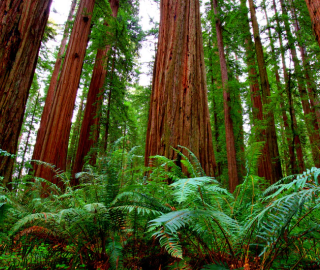
Visiting redwood forests is like stepping into a living cathedral. The towering trees, rich biodiversity, and serene atmosphere create a magical connection with nature. Whether you’re hiking, picnicking, or simply soaking in the beauty, these forests offer an unforgettable experience that leaves you feeling small yet profoundly connected to the natural world.
11
Your Suggestions
Leave your message and we'll get back to you shortly.