

Crape Myrtle Tree: The Ultimate Guide to Growing Vibrant Blooms and Stunning Landscapes
Crape Myrtle Tree - Vibrant Ornamental Beauty

The Crape Myrtle tree, known scientifically as Lagerstroemia indica, is a beloved ornamental tree that has captured the hearts of gardeners and landscape designers alike. With its stunning blooms, vibrant colors, and adaptability to various climates, the Crape Myrtle has become a staple in gardens across the United States and beyond. In this ultimate guide, we will explore everything you need to know about growing Crape Myrtle trees, from their historical significance and environmental impact to practical tips for planting and care.

Characteristics of the Crape Myrtle Tree

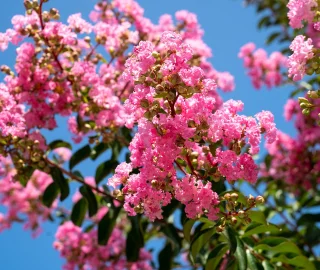
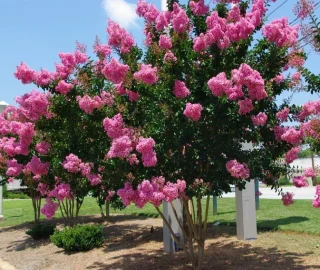
Crape Myrtle trees are deciduous, meaning they shed their leaves in the fall. They can grow anywhere from 3 to 30 feet tall, depending on the variety and growing conditions. The tree features smooth, mottled bark that peels away in strips, creating a visually appealing texture. The leaves are dark green, turning shades of red and orange in the fall, adding to the tree's year-round beauty. One of the most striking features is its flowers, which bloom in summer and can last until the first frost, coming in various colors including white, pink, red, and purple.

Scientific Data and Fun Facts

Here are some fascinating facts about this remarkable tree:

  • Origin: Native to Southeast Asia, particularly China, India, and Korea, introduced to the United States in the early 18th century.
  • Longevity: Crape Myrtle trees are known for their longevity, with some specimens living for over 100 years.
  • Blooming Period: Flowers can bloom for 60 to 120 days, providing long-lasting color throughout summer and into fall.
  • Name Origin: The name "Crape Myrtle" comes from the crinkled texture of its flowers, reminiscent of crape paper.

Historical Significance

The Crape Myrtle tree has a rich history that dates back thousands of years. Native to Southeast Asia, it was introduced to the United States in the early 18th century and quickly became popular due to its ability to thrive in southern climates and its striking floral displays. The tree was often planted in gardens and along streets, becoming an iconic symbol of southern landscaping. In China, it is associated with beauty and elegance, while in the United States, it has become a symbol of resilience and adaptability.

Growing Conditions and Environmental Impact

Crape Myrtle trees thrive in USDA Hardiness Zones 7 to 9, although some varieties can be grown in Zone 6 with proper care. They prefer full sun, requiring at least six hours of direct sunlight each day, and are adaptable to various soil types but perform best in well-draining soil with a pH between 5.0 and 6.5. These trees offer several environmental benefits, including providing shade to reduce cooling costs, preventing soil erosion with their extensive root systems, and attracting pollinators like bees and butterflies. They also improve air quality by absorbing carbon dioxide and releasing oxygen.

Benefits of Crape Myrtle Trees

Crape Myrtle trees offer numerous advantages for gardeners and the environment:

  • Long Blooming Season: Flowers can last from 60 to 120 days, providing extended color in landscapes.
  • Adaptability: Thrives in various soil types and can tolerate different climate conditions.
  • Year-Round Interest: Beautiful bark in winter, vibrant foliage in fall, and spectacular blooms in summer.
  • Pollinator Support: Attracts bees, butterflies, and other beneficial insects to your garden.
  • Low Maintenance: Once established, they are relatively drought-tolerant and require minimal care.

Planting and Care Guide

When planting Crape Myrtle, choose a location with full sun and good drainage. Prepare the soil with organic matter, dig a hole twice as wide as the root ball, and plant at the same depth as the container. Water deeply during the first few years and apply a balanced, slow-release fertilizer in early spring. Prune in late winter or early spring to maintain shape and remove dead wood. Watch for common issues like aphids and powdery mildew, treating with insecticidal soap or fungicides as needed.

Growing Billion Trees Partners Initiatives

Organizations like Growing Billion Trees Partners are making significant strides in promoting tree planting initiatives, including Crape Myrtle trees. They partner with local communities, schools, and environmental groups to execute tree planting projects that enhance urban landscapes and contribute to ecological restoration. Through education and outreach, they raise awareness about the benefits of planting trees and provide resources for proper care and maintenance. By promoting adaptable species like Crape Myrtle, they help ensure the success of tree planting efforts while enhancing biodiversity.

Conclusion

The Crape Myrtle tree is a stunning addition to any landscape, offering vibrant blooms, beautiful foliage, and numerous environmental benefits. With proper care and attention, these trees can thrive for generations, providing beauty and ecological value to communities. Whether you're a seasoned gardener or a novice, the Crape Myrtle is a rewarding choice that will enhance your outdoor space. By participating in initiatives like those led by Growing Billion Trees Partners, you can contribute to a greener future while enjoying the beauty of Crape Myrtle trees in your own backyard.

Crape Myrtle Blooms
Crape Myrtle Landscape

Crape Myrtle Varieties

Dive into the delightful world of Crape Myrtle varieties, where each one flaunts its unique personality. From the petite dwarf types that fit snugly in small gardens to towering giants that demand attention, there's a perfect match for every landscape. Whether you fancy the classic pinks or want to make a bold statement with vibrant reds and purples, these trees offer a rainbow of options. Just remember, choosing the right variety is like picking a dance partner—make sure they fit your space and style!

Crape Myrtle Care

Caring for your Crape Myrtle is like nurturing a diva—give it the right conditions, and it will reward you with stunning blooms. These trees thrive on full sun, so make sure they're basking in at least six hours of glorious sunlight. Regular watering, especially during those hot summer days, keeps them happy, while a balanced fertilizer in spring is their version of a spa day. Just watch out for overwatering; nobody likes soggy roots! With the right care, your Crape Myrtle will be the star of your garden.

Pruning Techniques

Pruning your Crape Myrtle is an art form—think of yourself as a sculptor, shaping a masterpiece. The best time to wield your shears is in late winter or early spring, just before the growth spurt begins. Remove any dead or diseased branches to promote health and encourage airflow. But don't go overboard! Pruning too much can leave your tree feeling bare and sad. A little trim here and there will keep it blooming beautifully. Remember, you're enhancing its natural beauty, not giving it a buzz cut!

Crape Myrtle Pests

Even Crape Myrtle trees aren't immune to pesky intruders. While generally resilient, they can occasionally play host to aphids, powdery mildew, and sooty mold. Think of aphids as the uninvited guests at a party—use insecticidal soap or neem oil to send them packing. For powdery mildew, improving air circulation is key, while controlling aphids will keep that sooty mold at bay. A little vigilance goes a long way in keeping your tree healthy and happy. It's like being a bouncer for your garden's VIP section!

Environmental Benefits

Planting a Crape Myrtle isn't just a pretty choice; it's an eco-friendly decision! These trees provide shade, reducing cooling costs and creating a comfy spot for you to sip your iced tea. Their extensive root systems work tirelessly to prevent soil erosion, while their vibrant blooms attract pollinators like bees and butterflies. Plus, they help improve air quality by absorbing carbon dioxide and releasing oxygen, making them the unsung heroes of your garden. Who knew looking good could be so good for the planet?

Crape Myrtle Blooming Season

Get ready for a floral extravaganza when your Crape Myrtle bursts into bloom! With flowers that can last from 60 to 120 days, it's like having a summer party in your yard. These beauties come in an array of colors—white, pink, red, and purple—creating a stunning visual display that'll make your neighbors green with envy. Just be sure to provide them with plenty of sunlight, and they'll reward you with a breathtaking show. It's nature's way of throwing a celebration that lasts all season long!

Crape Myrtle History

The Crape Myrtle has a storied past that dates back thousands of years. Originating in Southeast Asia, it made its grand entrance into the United States in the 18th century and quickly became a southern staple. With its striking beauty and resilience, it's no wonder this tree has captured hearts across generations. From elegant gardens to bustling streets, the Crape Myrtle has cemented its status as a beloved icon of southern landscaping. It's not just a tree; it's a living piece of history that keeps getting better with age!

Soil Requirements

Crape Myrtle trees are not picky eaters, but they do have preferences! They thrive in well-draining soil with a pH between 5.0 and 6.5, making it crucial to prepare the ground before planting. Whether your soil is sandy, loamy, or clay-like, a little organic matter can go a long way in improving drainage and fertility. Just remember, happy roots lead to happy blooms, so give your Crape Myrtle the soil it craves! Think of it as setting the stage for a spectacular performance.

Crape Myrtle Festivals

Did you know that Crape Myrtle trees have their very own celebrations? Across the southern United States, festivals dedicated to these stunning trees bring communities together to honor their beauty. From parades to art displays, these events showcase the vibrant colors and cultural significance of the Crape Myrtle. It's a fantastic way to celebrate nature while enjoying local food, music, and the company of fellow tree enthusiasts. Who wouldn't want to party with such beautiful trees?

Crape Myrtle Landscaping

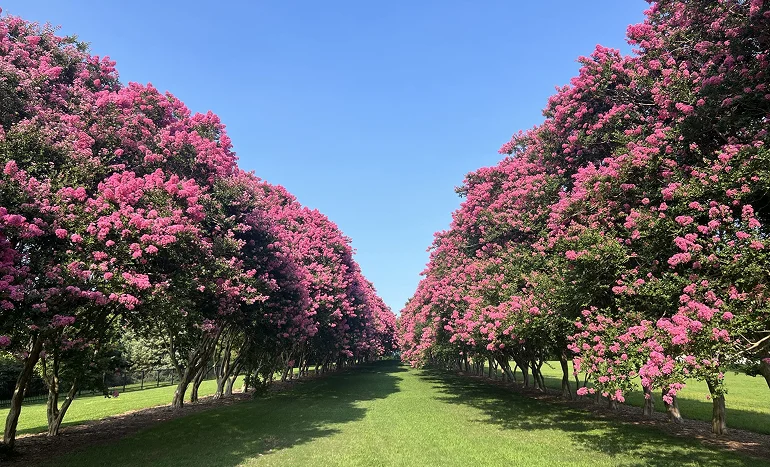
If you're looking to elevate your landscaping game, the Crape Myrtle is your secret weapon! These trees bring a splash of color and elegance to any garden, whether planted as a focal point or in a charming row. Their adaptability to various climates makes them a versatile choice for homeowners and landscape designers alike. With proper care, your Crape Myrtle will not only enhance your outdoor space but also become a conversation starter among your neighbors. It's like adding a living work of art to your property!

Growing Crape Myrtle

Growing a Crape Myrtle is like nurturing a long-term relationship—patience and care are key! Once established, these trees are relatively drought-tolerant, making them a low-maintenance option for busy gardeners. Just remember to water deeply during dry spells and provide a balanced fertilizer in spring for that extra boost. With a little love and attention, your Crape Myrtle will thrive, bringing joy and beauty to your garden for years to come. It's the gift that keeps on giving, season after spectacular season!

Year-Round Beauty

The Crape Myrtle isn't just a summer show-off—it's a tree for all seasons! In spring, fresh green leaves emerge; summer brings the spectacular floral display; autumn treats you to fiery foliage colors; and winter reveals the beautiful exfoliating bark that adds texture and interest to the landscape. This tree knows how to keep the party going year-round, ensuring your garden never has a dull moment. It's the ultimate multitasker in the plant world!

FAQ

What is a Crape Myrtle tree?

The Crape Myrtle (Lagerstroemia indica) is an ornamental beauty loved for its vibrant blooms and adaptability. Thriving in various climates, it is a staple in landscapes, bringing color and charm to gardens.

01

How tall do Crape Myrtle trees grow?

Crape Myrtle trees vary from 3 to 30 feet in height, depending on the variety and growing conditions, making them suitable for both small gardens and grand landscapes.

02

What are the best growing conditions for Crape Myrtle?

Crape Myrtles thrive in full sun with well-draining soil (pH 5.0–6.5), in USDA Hardiness Zones 7 to 9. Proper sunlight and soil drainage ensure optimal growth and abundant blooms.

03

When is the best time to plant Crape Myrtle?

The ideal planting time is spring, after frost risk has passed. This allows roots to establish and prepares the tree for a full season of growth and vibrant flowering.

04

How often should I water my Crape Myrtle?

Once established, Crape Myrtles are drought-tolerant. Young trees should be watered deeply once a week during dry periods to ensure healthy growth.

05

What type of fertilizer is best for Crape Myrtle?

A balanced, slow-release fertilizer (10-10-10 or 12-4-8) applied in early spring promotes growth and abundant flowering. Avoid late-season fertilization to prevent frost damage.

06

When should I prune my Crape Myrtle?

Prune in late winter or early spring before new growth emerges. Proper pruning maintains shape and health while encouraging vigorous flowering.

07

What pests and diseases affect Crape Myrtle?

Crape Myrtles can be affected by aphids and powdery mildew. Early intervention with insecticidal soap or fungicides helps maintain tree health and appearance.

08

What are the environmental benefits of Crape Myrtle?

Crape Myrtles provide shade, reduce soil erosion, attract pollinators, and absorb carbon dioxide, contributing to improved air quality and environmental sustainability.

09

How long do Crape Myrtle trees live?

Crape Myrtles can live over 100 years with proper care, becoming a long-lasting and vibrant feature in landscapes for generations.

10

Why is Crape Myrtle called the "Lilac of the South"?

It earned the nickname "Lilac of the South" for its vibrant blooms and adaptability to southern climates, adding color and charm much like lilacs in other regions.

11

What initiatives promote planting Crape Myrtle trees?

Organizations like Grow Billion Trees Partners promote Crape Myrtle planting by engaging communities, providing education, and enhancing urban landscapes while fostering environmental sustainability.

12
logo
back top