

Indian Persimmon Tree: Unlocking the Secrets to Growing Nature's Sweetest Delight
Indian Persimmon Tree

The Indian Persimmon tree, scientifically known as Diospyros lotus, is a remarkable fruit-bearing tree that has captured the hearts of many horticulturists and food enthusiasts alike. Known for its sweet, flavorful fruit, the Indian Persimmon is not just a treat for the palate but also a tree that holds immense ecological and cultural significance.

Understanding the Indian Persimmon

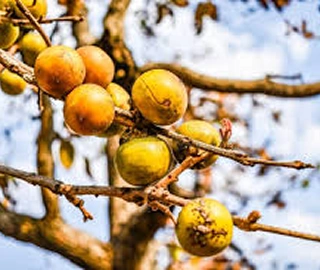
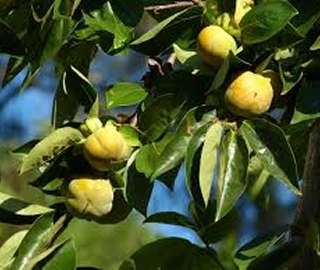
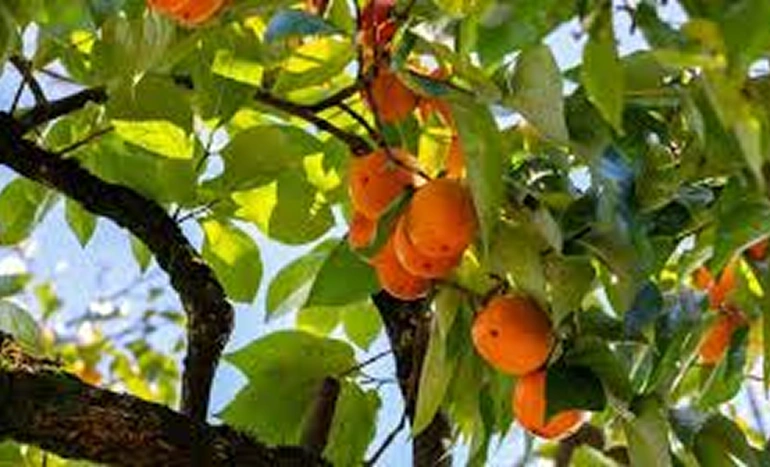
The Indian Persimmon tree is a deciduous tree that can reach heights of up to 20 meters. Native to regions of Asia, particularly India, it thrives in subtropical and tropical climates. The tree produces small, round fruits that turn from green to a vibrant orange-yellow when ripe. These fruits are not only delicious but are also rich in vitamins A and C, making them a nutritious addition to any diet.

Scientific Data and Nutritional Value

Persimmons are a powerhouse of nutrients. A 100-gram serving of fresh persimmons contains approximately:

  • Calories: 81
  • Carbohydrates: 21.5 g
  • Dietary Fiber: 3.6 g
  • Sugars: 18.6 g
  • Protein: 0.6 g
  • Fat: 0.3 g
  • Vitamin A: 81% of the Daily Value (DV)
  • Vitamin C: 20% of the DV
  • Potassium: 8% of the DV
  • Manganese: 15% of the DV

This nutritional profile makes persimmons an excellent choice for those looking to boost their immune system, improve digestion, and maintain healthy skin. The antioxidants present in persimmons, such as flavonoids and carotenoids, also contribute to their anti-inflammatory properties.

Fun Facts About Indian Persimmons

  • The name 'persimmon' is derived from the Powhatan word 'pessamin,' which means 'sweet fruit.'
  • Persimmons can be eaten fresh, dried, or cooked, and they are often used in desserts, salads, and savory dishes.
  • In some cultures, persimmons are considered a symbol of good luck and prosperity.
  • The wood of the persimmon tree is dense and is often used to make high-quality furniture and sports equipment, including golf clubs.

Historical Significance

The history of persimmons dates back thousands of years. They were first cultivated in China around 2000 BC and have since spread across Asia, Europe, and the Americas. In India, the persimmon tree has been a part of traditional agriculture for centuries. Local farmers have relied on the tree for its fruit and wood, integrating it into their agricultural practices and cultural traditions.

In addition to its agricultural significance, the Indian Persimmon has also been mentioned in ancient texts, including Ayurveda, where it is praised for its medicinal properties. The tree's leaves, bark, and fruit have been used in various traditional remedies for ailments ranging from digestive issues to skin conditions.

Growing Indian Persimmons: A Step-by-Step Guide

Growing Indian Persimmons can be a rewarding experience, whether you are a seasoned gardener or a novice. Here's a detailed guide to help you cultivate this sweet delight:

1. Choosing the Right Location
Indian Persimmons thrive in well-drained soil with a pH level between 6.0 and 7.5. Select a sunny spot in your garden that receives at least 6 hours of sunlight daily. The tree prefers a warm climate but can tolerate mild frost.

2. Soil Preparation
Before planting, prepare the soil by mixing in organic matter such as compost or well-rotted manure. This will improve soil fertility and drainage. Ensure that the planting site is free from weeds and debris.

3. Planting the Tree
Plant the sapling in early spring or fall. Dig a hole that is twice the width and the same depth as the root ball. Place the sapling in the hole, ensuring that the top of the root ball is level with the soil surface. Backfill with soil and water thoroughly.

4. Watering and Fertilization
Water the tree regularly, especially during dry spells. Young trees require more frequent watering until established. Fertilize with a balanced fertilizer in early spring to promote healthy growth.

5. Pruning
Prune the tree annually to remove dead or diseased branches and to shape the tree. This not only promotes better air circulation but also encourages fruit production.

6. Pest and Disease Management
While Indian Persimmons are relatively pest-resistant, keep an eye out for aphids and spider mites. Use organic insecticides or neem oil for treatment. Ensure good air circulation to prevent fungal diseases.

7. Harvesting
Persimmons are typically ready for harvest in late autumn. The fruit should be fully colored and slightly soft to the touch. Harvest by gently twisting the fruit from the branch.

The Environmental Impact of Growing Persimmons

Growing Indian Persimmons has a positive impact on the environment. These trees contribute to biodiversity by providing habitat and food for various wildlife species. The deep root systems of persimmon trees help prevent soil erosion and improve soil health. Additionally, by planting persimmons, farmers can promote sustainable agricultural practices and reduce reliance on chemical fertilizers and pesticides.

Grow Billion Trees Partners: A Catalyst for Change

Organizations like Grow Billion Trees Partners play a crucial role in promoting the cultivation of Indian Persimmons and other native trees across India. Their mission is to combat deforestation and promote reforestation initiatives, contributing to global efforts to combat climate change.

Grow Billion Trees Partners collaborates with local communities, providing them with the resources and knowledge needed to cultivate persimmons effectively. They conduct workshops and training sessions on sustainable farming practices, ensuring that farmers understand the ecological benefits of planting trees.

Through their initiatives, Grow Billion Trees Partners not only encourages the growth of Indian Persimmons but also empowers local farmers by providing them with alternative sources of income. By promoting agroforestry, they help farmers diversify their crops, improve soil health, and increase their resilience to climate change.

Moreover, Grow Billion Trees Partners engages in community outreach programs to raise awareness about the importance of tree planting and conservation. They organize tree-planting drives, involving schools, colleges, and local organizations, fostering a sense of community and responsibility towards the environment.

Economic Opportunities

The impact of these initiatives extends beyond environmental benefits; they also provide economic opportunities for local communities. By promoting the cultivation of the Indian Persimmon, communities can generate income through the sale of its fruit and related products, such as jams and skincare items. This creates a sustainable cycle that benefits both the environment and the local economy.

Conclusion

The Indian Persimmon tree is more than just a fruit-bearing plant; it is a vital part of India's agricultural heritage and a valuable asset for environmental sustainability. By unlocking the secrets to growing this sweet delight, we can enjoy its delicious fruits while contributing to a healthier planet.

With the support of organizations like Grow Billion Trees Partners, the future of the Indian Persimmon tree looks promising. Together, we can cultivate a greener world, one tree at a time. So, whether you're a gardener looking to expand your orchard or a community member interested in reforestation, consider planting an Indian Persimmon tree and be a part of this sweet journey toward sustainability.

Indian Cork Fig Fruits
Indian Cork Fig Tree

FAQ

What is the Indian Persimmon Tree?

The Indian Persimmon tree, or Diospyros lotus, is a delightful deciduous tree native to Asia, particularly India. Known for its sweet, vibrant orange-yellow fruits, it not only tantalizes taste buds but also plays a significant role in local ecosystems and cultures.

01

How tall does the Indian Persimmon tree grow?

This remarkable tree can reach heights of up to 20 meters, making it a towering presence in your garden. Imagine having a fruit-bearing giant that not only provides delicious snacks but also offers shade and beauty to your landscape.

02

What are the nutritional benefits of persimmons?

Persimmons are nutritional powerhouses! A 100-gram serving boasts vitamins A and C, dietary fiber, and antioxidants. These sweet treats can boost your immune system, improve digestion, and even enhance skin health. Who knew snacking could be so beneficial?

03

How do I choose the right location for planting?

Pick a sunny spot that basks in at least 6 hours of sunlight daily! The Indian Persimmon thrives in well-drained soil with a pH of 6.0 to 7.5. So, find that perfect sunny nook, and let your tree bask in glory!

04

When is the best time to plant Indian Persimmons?

Spring or fall is your golden window for planting! Timing is everything, so get your sapling in the ground during these seasons to ensure it establishes roots before the heat or frost sets in.

05

What care do Indian Persimmons need after planting?

Water regularly, especially during dry spells, and fertilize with a balanced mix in early spring. Pruning annually keeps your tree healthy and productive. Think of it as a spa day for your tree—refreshing and rejuvenating!

06

How do I manage pests and diseases?

While Indian Persimmons are tough cookies, watch out for aphids and spider mites! Keep your tree's air circulation breezy and use organic insecticides or neem oil if needed. Prevention is the best medicine, after all!

07

When is the right time to harvest persimmons?

Late autumn is your harvest time! Look for fully colored, slightly soft fruits that practically beg to be picked. Gently twist them off the branch, and voilà—deliciousness awaits!

08

What is the environmental impact of growing persimmons?

Growing Indian Persimmons is a win for the planet! These trees enhance biodiversity, prevent soil erosion, and promote sustainable agriculture. It's like giving Mother Earth a big, green hug—how sweet is that?

09

How does Grow Billion Trees Partners contribute to cultivation?

Grow Billion Trees Partners is a champion for the Indian Persimmon! They empower local communities with knowledge and resources for sustainable farming, ensuring that every tree planted is a step toward a greener future.

10

What cultural significance do Indian Persimmons hold?

In various cultures, persimmons symbolize good luck and prosperity. These trees have been woven into the fabric of local traditions for centuries, making them not just a fruit source but a cultural treasure too.

11
logo
back top