

Khair Tree: Stately Canopy of Arid Ecosystems
Khair Tree

The Khair tree (Acacia catechu), also known as the Cutch tree, stands as a botanical marvel renowned for its versatility and cultural significance. Indigenous to the Indian subcontinent, this resilient species thrives in diverse habitats, ranging from arid plains to tropical forests, showcasing its adaptability and ecological resilience.

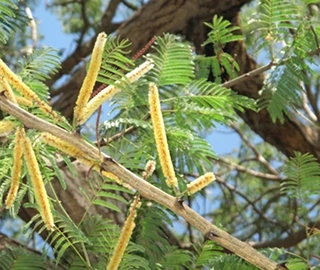
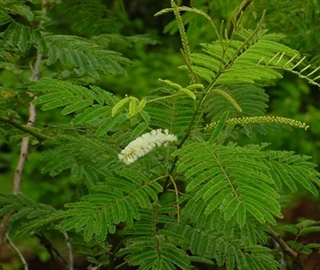
With its distinctive compound leaves and spiny branches, the Khair tree presents a striking silhouette against the landscape. Its small, fragrant flowers bloom in clusters, attracting pollinators and adding a touch of vibrancy to its surroundings. The tree's dark, fissured bark conceals a valuable resource: the heartwood, prized for its rich color and medicinal properties.

Cultural Heritage

The Khair tree occupies a prominent place in the cultural heritage of South Asia, where it has been revered for centuries for its myriad uses and symbolic significance. In traditional folklore and religious rituals, the Khair tree is often associated with strength, resilience, and healing, embodying the enduring spirit of the natural world.

In Hindu mythology, the Khair tree is believed to be sacred to Lord Shiva, the god of destruction and transformation. Its presence in sacred groves and temple precincts symbolizes divine protection and spiritual enlightenment, making it a focal point of reverence and devotion for devotees and pilgrims.

Traditional Applications

The Khair tree's heartwood, renowned for its dark, reddish-brown hue, is prized for its dyeing properties and medicinal benefits. Extracts from the heartwood yield a natural dye known as catechu, which has been used for centuries to color textiles, leather, and traditional crafts.

In traditional medicine systems such as Ayurveda and Unani, Khair wood and bark are valued for their astringent, anti-inflammatory, and antimicrobial properties. Herbal preparations derived from the Khair tree are used to treat a wide range of ailments, including diarrhea, dysentery, and oral infections, reflecting its importance in indigenous healing practices.

Ecological Role

Beyond its cultural and medicinal significance, the Khair tree plays a vital ecological role in its native habitats, providing habitat and sustenance for a diverse array of flora and fauna. Its dense foliage offers shade and shelter to wildlife, while its deep-rooted system helps stabilize soil and prevent erosion in arid landscapes.

Moreover, the Khair tree's nitrogen-fixing ability enhances soil fertility, benefiting neighboring plants and promoting ecosystem resilience. As a pioneer species in disturbed habitats, it facilitates ecological succession and contributes to the regeneration of degraded landscapes, highlighting its importance in ecosystem restoration efforts.

Conservation Challenges

Despite its ecological and cultural importance, the Khair tree faces numerous conservation challenges, including habitat loss, overexploitation, and deforestation. Unsustainable logging practices and land conversion for agriculture pose significant threats to Khair forests, endangering the survival of this iconic species and the biodiversity it supports.

Efforts to conserve and protect Khair forests are essential to safeguarding their ecological integrity and cultural heritage. Conservation initiatives focused on sustainable forestry practices, habitat restoration, and community-based management can help mitigate these threats and ensure the long-term survival of the Khair tree and the ecosystems it sustains.

Community Engagement

Engaging local communities and indigenous peoples in conservation efforts is crucial to the success of conservation initiatives for the Khair tree. By empowering communities to participate in sustainable forest management, livelihood diversification, and alternative income-generating activities, stakeholders can foster a sense of ownership and stewardship over natural resources.

Furthermore, incorporating traditional knowledge and indigenous practices into conservation strategies can enhance their effectiveness and promote cultural resilience. By recognizing the intrinsic connection between culture and ecology, conservation efforts can become more holistic and inclusive, benefiting both people and the planet.

Conclusion

In conclusion, the Khair tree stands as a symbol of resilience, cultural heritage, and ecological vitality in the landscapes of South Asia. Its rich legacy and multifaceted significance underscore the importance of conserving and protecting this iconic species for future generations.

By embracing sustainable practices, fostering community engagement, and promoting the preservation of traditional knowledge, stakeholders can ensure the continued survival of the Khair tree and the invaluable ecosystem services it provides. In doing so, we honor not only the natural beauty of the Khair tree but also the enduring bond between culture, ecology, and human well-being.

Khair Tree Khair Tree Bark

What is a Khair tree?

The Khair tree, scientifically known as Acacia catechu, is a medium-sized deciduous tree native to the Indian subcontinent and Southeast Asia. Renowned for its valuable timber, medicinal properties, and ecological significance, the Khair tree holds a prominent place in the culture and economy of the region.

01

Where are Khair trees commonly found?

Khair trees are commonly found throughout the Indian subcontinent, including India, Nepal, Bangladesh, and Sri Lanka. They thrive in tropical and subtropical climates and are often found in dry deciduous forests, riverine habitats, and degraded landscapes.

02

What are the characteristics of Khair trees?

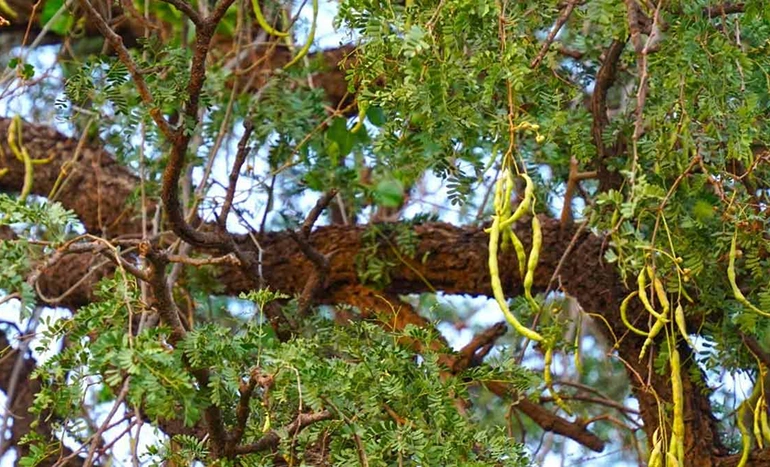
Khair trees are characterized by their thorny branches, bipinnate leaves, and small, yellowish flowers arranged in spherical clusters. They produce pods containing tannin-rich seeds, which are used for various purposes, including dyeing, tanning, and traditional medicine.

03

How tall do Khair trees grow?

Khair trees can grow to heights of 15-20 meters (49-65 feet) in favorable growing conditions. They have a spreading crown and dense foliage, providing shade and habitat for wildlife in their native habitats.

04

What is the scientific name of the Khair tree?

The scientific name of the Khair tree is Acacia catechu, belonging to the family Fabaceae. The genus name "Acacia" is derived from the Greek word "akis," meaning thorn, while the species epithet "catechu" refers to the extract obtained from the heartwood, known as catechu or cutch.

05

When do Khair trees bloom?

Khair trees typically bloom in spring, producing clusters of small, fragrant flowers that attract bees, butterflies, and other pollinators. The flowering period may vary depending on local climate conditions and environmental factors.

06

How to care for Khair trees?

To care for Khair trees, plant them in well-drained soil in a location with full sunlight. Provide regular watering, especially during the dry season, and mulch around the base of the tree to retain moisture and suppress weeds. Prune as needed to remove dead or diseased branches and promote healthy growth.

07

What are the benefits of planting Khair trees?

Planting Khair trees offers several benefits, including providing valuable timber for construction, furniture, and fuelwood, enhancing soil fertility through nitrogen fixation, and supporting local livelihoods through sustainable forest management practices.

08

Are Khair trees suitable for urban environments?

Khair trees are not commonly planted in urban environments due to their thorny branches and specific growing requirements. However, they can be used in parks, green spaces, and reforestation projects where their ecological value and economic potential are recognized.

09

How to propagate Khair trees?

Khair trees can be propagated from seeds or cuttings. Collect mature seeds from the tree during the fruiting season and sow them in containers filled with well-drained potting mix. Alternatively, take semi-hardwood cuttings from healthy, mature trees and root them in a rooting hormone solution.

10

What are the common pests and diseases affecting Khair trees?

Common pests affecting Khair trees include defoliating insects, aphids, and stem borers, while diseases such as powdery mildew and root rot can also occur. Proper forest management practices, including monitoring and integrated pest management, can help prevent and manage pest and disease problems.

11
logo
back top