


Indian Fire Tree: Unlock the Vibrant Beauty and Benefits of This Stunning Tropical Marvel!
Indian Fire Tree: Unlock the Vibrant Beauty and Benefits of This Stunning Tropical Marvel!
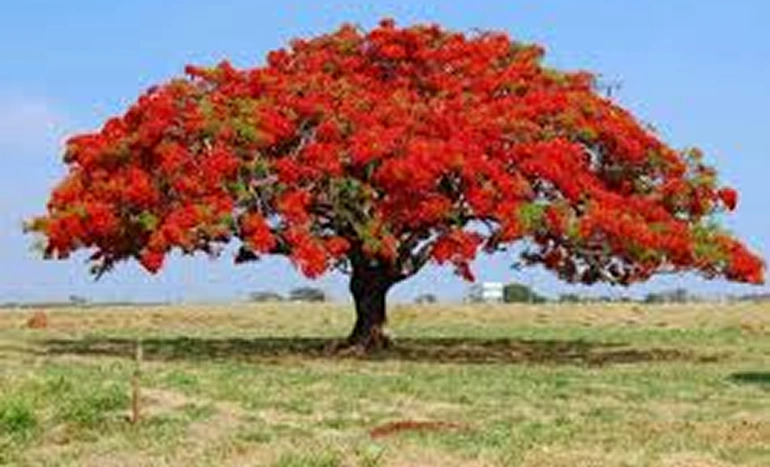
The Vibrant Beauty of the Indian Fire Tree
Scientific Data and Fun Facts
- Growth Rate: The Indian Fire Tree is a fast-growing species, capable of reaching its full height within just a few years under optimal conditions.
- Seed Dispersal: The tree produces long, flat seed pods that can reach lengths of up to 2 feet. These pods contain several seeds and can remain on the tree for years before eventually falling to the ground.
- Longevity: With proper care, the Indian Fire Tree can live for several decades, providing beauty and ecological benefits for generations.
- Medicinal Uses: Various parts of the tree, including the leaves and flowers, have been used in traditional medicine to treat ailments such as fever, inflammation, and skin conditions.
Historical Significance
Environmental Impact
- Carbon Sequestration: Like all trees, the Indian Fire Tree plays a vital role in carbon sequestration, absorbing carbon dioxide from the atmosphere and mitigating climate change. A mature tree can absorb approximately 48 pounds of CO2 annually.
- Soil Improvement: As a leguminous plant, the Indian Fire Tree has the ability to fix nitrogen in the soil, improving soil fertility and promoting the growth of surrounding vegetation.
- Habitat Creation: The tree provides habitat and food for various bird species, insects, and other wildlife, contributing to biodiversity in the regions where it grows.
- Urban Heat Island Mitigation: In urban areas, the shade provided by the Indian Fire Tree can help reduce the urban heat island effect, lowering temperatures and improving air quality.
Growing the Indian Fire Tree
- Climate Requirements: The Indian Fire Tree thrives in warm climates with full sun exposure. It prefers well-drained soils and can tolerate drought conditions once established.
- Propagation: The tree can be propagated from seeds or cuttings. Soaking the seeds in water for 24 hours before planting can improve germination rates.
- Planting: Choose a location with ample sunlight and space for the tree to spread. Dig a hole twice the size of the root ball and ensure proper drainage.
- Care and Maintenance: Water the tree regularly during its early growth stages. Once established, it requires minimal care. Pruning can help shape the tree and remove any dead or diseased branches.
The Role of Grow Billion Trees Partners
- Community Involvement: Grow Billion Trees partners with local communities to raise awareness about the importance of tree planting and environmental conservation. They organize workshops and events to educate individuals on the benefits of trees, including the Indian Fire Tree.
- Planting Initiatives: The organization facilitates large-scale planting drives, where volunteers come together to plant trees in deforested or degraded areas. These initiatives not only beautify landscapes but also restore ecosystems.
- Research and Monitoring: Grow Billion Trees collaborates with researchers to monitor the growth and health of planted trees. This data helps assess the effectiveness of their projects and make informed decisions for future initiatives.
- Advocacy: The organization advocates for policies that promote sustainable forestry practices and the protection of native species. By working with local governments and stakeholders, they aim to create a supportive environment for tree planting efforts.
The Future of the Indian Fire Tree
Conclusion
FAQ
What is the Indian Fire Tree?
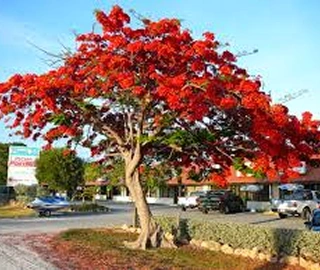
A tropical beauty known scientifically as *Delonix regia*, the Indian Fire Tree, also called the Royal Poinciana, flaunts fiery red and orange blossoms. Native to Madagascar, it's a superstar in parks and gardens worldwide, especially in India, where it adds a splash of color and ecological flair.
01
When does the Indian Fire Tree bloom?
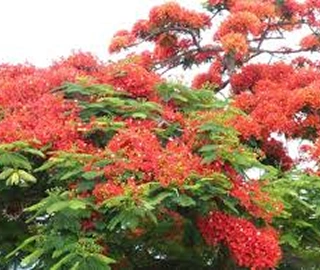
The Indian Fire Tree puts on its dazzling display from late spring to early summer. During this time, its vibrant red, orange, or yellow flowers burst forth, attracting pollinators like bees and butterflies. It's like nature's own fireworks show, captivating anyone lucky enough to witness it!
02
How tall can the Indian Fire Tree grow?
This magnificent tree can reach heights of up to 40 feet, boasting a wide, spreading canopy that provides ample shade. With its fern-like leaves and stunning flowers, it's not just a tree; it's a towering work of art that transforms any landscape into a tropical paradise.
03
What are some fun facts about the Indian Fire Tree?
The Indian Fire Tree is a fast-growing marvel that can reach full height in just a few years. It produces long seed pods that can hang around for ages, and its parts have medicinal uses. Talk about a multitasker—beauty, ecology, and a dash of traditional medicine!
04
What is the environmental impact of the Indian Fire Tree?
This tree is an eco-champion, absorbing about 48 pounds of CO2 annually, improving soil fertility, and creating habitats for wildlife. Plus, its shade helps combat the urban heat island effect. It's like having a green superhero in your backyard, saving the planet one leaf at a time!
05
How do you grow an Indian Fire Tree?
Growing an Indian Fire Tree is a breeze! It loves warm climates and full sun, so pick a sunny spot with well-drained soil. Propagate it from seeds or cuttings, soak those seeds for better germination, and watch as your tree grows into a stunning centerpiece for your garden.
06
What are the medicinal uses of the Indian Fire Tree?
It's a botanical beauty with a side of wellness!
07
How does Grow Billion Trees support the Indian Fire Tree?
Grow Billion Trees is on a mission to champion the Indian Fire Tree! They engage communities, organize planting initiatives, and advocate for sustainable forestry practices. By partnering with locals, they're not just planting trees; they're sowing the seeds of environmental awareness and action.
08
Why is the Indian Fire Tree culturally significant in India?
In India, the Indian Fire Tree is more than just a pretty face; it symbolizes beauty and resilience. Often featured in festive occasions and cultural celebrations, its vibrant blossoms are a beloved part of the landscape, enhancing the urban environment and bringing joy to countless people.
09
Can the Indian Fire Tree survive in urban areas?
Absolutely! The Indian Fire Tree thrives in urban settings, providing shade and beauty while helping to reduce heat. Its adaptability makes it a favorite for city planners looking to green up concrete jungles. It's like a breath of fresh air in the hustle and bustle of city life!
10
Your Suggestions
Leave your message and we'll get back to you shortly.