


Arjuna Tree
Arjuna Tree: Graceful Guardian of Heart Health
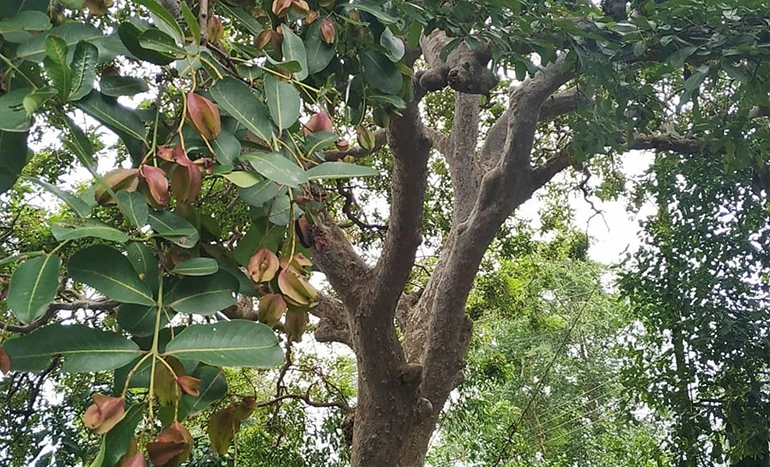
Common Name and Scientific Name
Description
Habitat and Distribution
Cultural and Historical Significance
Symbolism and Traditional Practices
Conservation and Sustainable Practices
In Conclusion
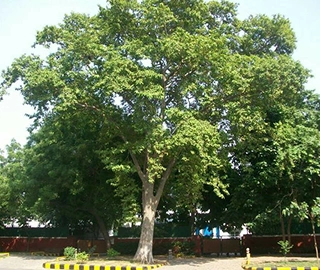
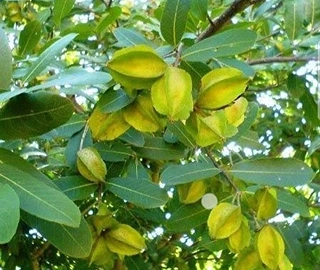
Arjuna tree benefits
Terminalia arjuna
Arjuna tree in Ayurveda
Arjuna tree uses
Arjuna tree cultivation
Arjuna tree conservation
Arjuna tree phytochemistry
Arjuna tree traditional knowledge
Arjuna tree habitat
Arjuna tree sustainable practices
FAQ
What is an Arjuna tree?
The Arjuna tree, scientifically known as Terminalia arjuna, is a large deciduous tree native to the Indian subcontinent. It belongs to the Combretaceae family and is known for its medicinal properties and cultural significance.
01
Where is the Arjuna tree found?
Arjuna trees are primarily found in the Indian subcontinent, particularly in the central and southern regions. They thrive in areas with well-drained soil and ample sunlight.
02
What are the medicinal properties of the Arjuna tree?
Various parts of the Arjuna tree, including the bark, leaves, and fruits, are used in traditional medicine. It is renowned for its cardiovascular benefits, including strengthening the heart muscles, regulating blood pressure, and improving overall cardiac function. Additionally, it is used to treat various ailments such as asthma, diarrhea, and wounds.
03
How is the Arjuna tree culturally significant?
In Indian mythology, the Arjuna tree holds significance as it is believed to be named after the legendary warrior Arjuna from the epic Mahabharata. Additionally, the tree is revered in Ayurveda, the ancient Indian system of medicine, where it is considered a symbol of strength and vitality.
04
Can the Arjuna tree be grown outside of its native habitat?
While the Arjuna tree is primarily found in the Indian subcontinent, it can be cultivated in tropical and subtropical regions with similar climatic conditions. However, it requires adequate sunlight, well-drained soil, and regular watering to thrive.
05
How do you use parts of the Arjuna tree for medicinal purposes?
The bark of the Arjuna tree is the most commonly used part for medicinal purposes. It can be powdered and consumed directly or used to prepare decoctions and extracts. Leaves and fruits of the tree can also be utilized in various forms such as teas, infusions, or as dietary supplements.
06
Are there any precautions to consider when using Arjuna tree-based remedies?
While Arjuna tree-based remedies are generally considered safe when used in moderation, it is advisable to consult a healthcare professional before incorporating them into your regimen, especially if you have pre-existing medical conditions or are taking other medications. Pregnant or breastfeeding women should also exercise caution.
07
How long does it take for the Arjuna tree to mature?
Arjuna trees typically take several years to reach maturity. The exact time may vary depending on various factors such as climate, soil conditions, and care provided. However, once established, they are relatively low-maintenance and can live for several decades.
08
Is the Arjuna tree endangered?
The Arjuna tree is not currently classified as endangered. However, like many other plant species, it may face threats such as habitat loss, deforestation, and overexploitation. Conservation efforts are essential to ensure the continued survival of this culturally and medicinally significant tree.
09
How can I learn more about the Arjuna tree and its uses?
You can explore reputable sources on traditional medicine, Ayurveda, and botany to learn more about the Arjuna tree and its various applications. Additionally, consulting with experts in the field can provide valuable insights and guidance.
10
Your Suggestions
Leave your message and we'll get back to you shortly.