


River Birch Tree
River Birch Tree: A Stunning Blend of Beauty and Environmental Power
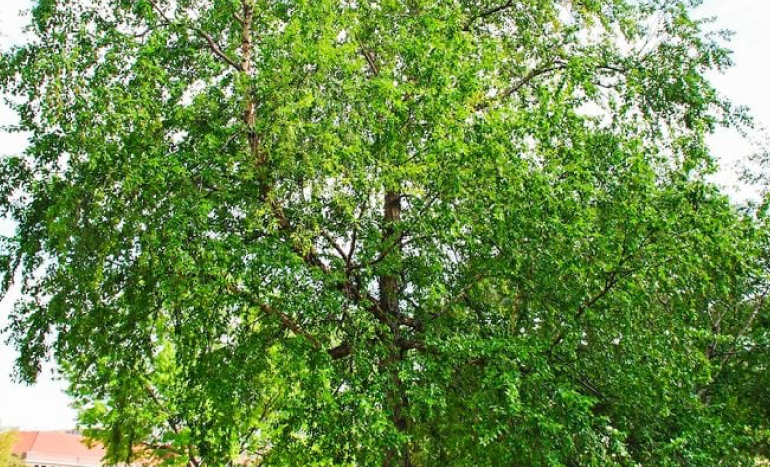
Botanical Profile of the River Birch Tree
- Scientific Name: Betula nigra
- Family: Betulaceae
- Native Region: Eastern United States
- Common Names: River Birch, Black Birch, Water Birch
- Height: Up to 70 feet
- Spread: Around 40 feet
Historical Significance
Environmental Benefits
- Erosion Control: Its extensive root system stabilizes soil, making it ideal for riverbanks and flood-prone areas.
- Carbon Sequestration: Like all trees, River Birches absorb carbon dioxide, helping mitigate climate change.
- Biodiversity Support: The tree provides habitat and food for birds, insects, and other wildlife, enhancing local ecosystems.
Landscaping with River Birch
- Focal Point: The tree’s unique bark and graceful form make it an eye-catching centerpiece in any garden.
- Privacy Screen: Its dense foliage provides natural screening for privacy or windbreaks.
- Shade Provider: The broad canopy offers ample shade, perfect for creating comfortable outdoor spaces.
How to Care for a River Birch Tree
- Sunlight: Full sun to partial shade, with at least 4-6 hours of sunlight daily.
- Watering: Regular, deep watering, especially during dry periods, to keep soil moist but not waterlogged.
- Soil: Prefers moist, well-drained soils with a pH of 5.0–7.0 but can tolerate drier conditions once established.
- Pruning: Prune during the dormant season (late winter) to remove dead or diseased branches.
- Fertilizing: Apply a balanced fertilizer in early spring to promote healthy growth.
Grow Billion Trees and River Birch Cultivation
- Community Planting Programs: Engaging local communities in tree-planting events to enhance urban and rural landscapes.
- Educational Outreach: Raising awareness about the environmental and aesthetic benefits of River Birch trees.
- Partnerships: Collaborating with schools, governments, and NGOs to fund and support large-scale reforestation projects.
Fun Facts About the River Birch Tree
- The River Birch is one of the few birch species that thrives in warmer climates, unlike its cold-loving cousins.
- Its peeling bark naturally exfoliates, revealing vibrant layers that add year-round visual interest.
- River Birches are fast-growing, often reaching 30–40 feet within 10 years under ideal conditions.
Conclusion
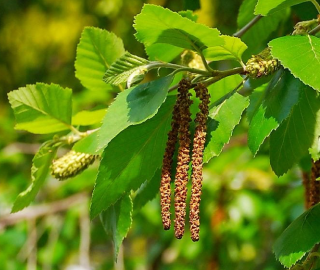
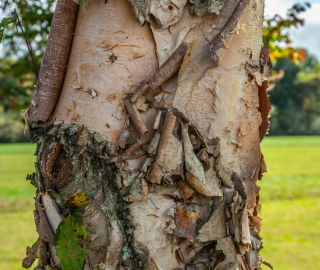
The River Birch tree is a landscaping superstar, offering stunning visual appeal with its peeling bark and graceful branches. It serves as a focal point, privacy screen, or shade provider, transforming any outdoor space into a natural masterpiece.
River Birch Tree Environmental Impact
River Birch Tree Care
River Birch Tree Pests
River Birch Tree Historical Significance
River Birch Tree Sustainability
River Birch Tree Growth Rate
River Birch Tree Planting
River Birch Tree and Wildlife
River Birch Tree in Wetland Areas
FAQ’s
What is a River Birch tree?
The River Birch (Betula nigra) is a gorgeous deciduous tree native to the eastern U.S., known for its eye-catching, peeling bark and graceful branches. It's like the tree version of a fashionista, thriving in wetland areas and adding a touch of elegance to any landscape.
01
How tall does a River Birch tree grow?
River Birch trees can reach impressive heights of up to 70 feet and spread around 40 feet wide. That’s right; they’re not just show-stoppers; they’re also tall enough to give your neighbors a run for their money in the “who has the biggest tree” competition!
02
What type of soil do River Birch trees prefer?
River Birch trees are like Goldilocks when it comes to soil—they prefer moist, well-drained soils but can tolerate drier conditions once established. They thrive in soils with a pH between 5.0 and 7.0, making them versatile enough to fit into various garden scenarios.
03
When is the best time to plant a River Birch tree?
The best time to plant a River Birch tree is in early spring or fall when the weather is mild and the soil is workable. This gives your tree the best chance to settle in and show off its fabulous bark and foliage—no winter chill to cramp its style!
04
How often should I water my River Birch tree?
River Birch trees love moisture, so they appreciate a deep watering once a week, especially during dry spells. Think of it as giving your tree a refreshing drink—just make sure it’s not a drowning experience. Nobody likes soggy roots!
05
How do I fertilize my River Birch tree?
Fertilizing your River Birch is as easy as pie—just use a balanced fertilizer in early spring. Follow the manufacturer's instructions like a good recipe, and watch your tree flourish. It’s like a little boost of energy for your leafy friend!
06
When should I prune my River Birch tree?
The best time to prune your River Birch is during its dormant season. This is when you can snip away any dead or diseased branches without stressing the tree. Think of it as giving your tree a stylish haircut—just don’t go overboard or it might get mad!
07
What pests should I watch for with River Birch trees?
Watch out for pests like aphids, leaf miners, and bronze birch borers. Regular inspections and organic treatments like neem oil can keep these critters at bay, ensuring your tree stays healthy and vibrant.
08
How can River Birch trees enhance my landscape?
River Birch trees can transform your landscape into a visual masterpiece. Their striking bark and graceful form make them an ideal focal point, while their dense foliage can create a natural privacy screen. Plus, they attract wildlife, making your garden the hottest spot in town!
09
What environmental benefits do River Birch trees provide?
River Birch trees are eco-champions—they help control erosion, sequester carbon, and enhance biodiversity. By planting one, you’re not just adding beauty to your yard; you’re also doing your part to combat climate change and support local wildlife. Go green, one tree at a time!
10
What historical significance does the River Birch tree hold?
The River Birch tree has a rich history, especially among Native Americans who used its flexible bark for canoes, baskets, and roofs. Today, it continues to be celebrated for its beauty and utility, making it a tree with both style and substance, rooted in tradition!
11
How can I get involved with tree-planting initiatives like Grow Billion Trees?
Getting involved with initiatives like Grow Billion Trees is easy! You can partner with local communities, schools, or organizations to promote tree planting. By educating others about the benefits of trees and participating in projects, you’ll be helping to create a greener, more beautiful planet!
12
Your Suggestions
Leave your message and we'll get back to you shortly.