


Java Apple Tree: Unlocking the Secrets to Growing the Perfect Fruit
Java Apple Tree: Unlocking the Secrets to Growing the Perfect Fruit
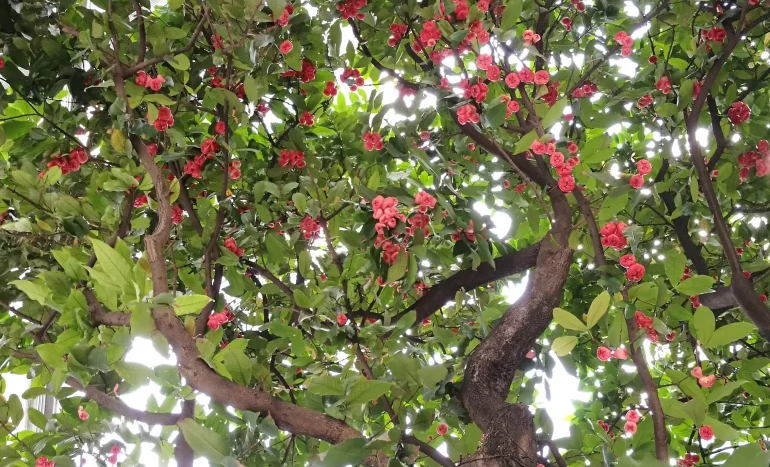
Understanding the Java Apple Tree
Growing Conditions
- Climate: The Java apple tree flourishes in warm, humid climates with temperatures ranging from 20°C to 30°C (68°F to 86°F). It is sensitive to frost, so planting in areas with mild winters is crucial.
- Soil: The tree prefers well-drained, sandy loam soil enriched with organic matter. A pH level of 6.0 to 7.0 is ideal for optimal growth.
- Sunlight: Full sun exposure for at least six hours a day is necessary for fruit production. Lack of sunlight can lead to poor fruit quality and reduced yield.
- Watering: Regular watering is vital, especially during dry spells. However, overwatering should be avoided as it can lead to root rot.
Planting Your Java Apple Tree
- Choose a location that receives full sunlight and has well-drained soil.
- Dig a hole that is twice the size of the root ball.
- Mix the excavated soil with organic compost to enrich it.
- Place the tree in the hole, ensuring that the root ball is level with the ground surface.
- Fill the hole with the enriched soil and water thoroughly.
- Apply a layer of mulch around the base of the tree to retain moisture and suppress weeds.
Care and Maintenance
- Fertilization: Use a balanced fertilizer every three months during the growing season to promote healthy growth and fruiting.
- Pruning: Regular pruning helps maintain the shape of the tree and encourages better air circulation. Remove any dead or diseased branches to prevent pest infestations.
- Pest Management: Monitor for common pests such as aphids and scale insects. Organic pesticides or neem oil can be effective in controlling these pests.
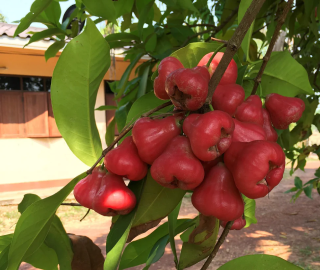
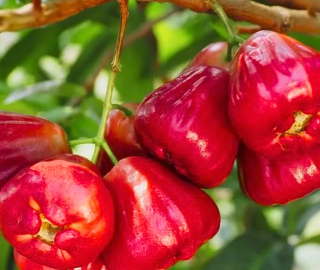
- Harvesting: The Java apple fruit typically ripens within 3 to 4 months after flowering. Harvest the fruit when it is firm and has a glossy appearance.
Fun Facts About the Java Apple
- The Java apple is often used in traditional medicine for its anti-inflammatory and antioxidant properties.
- In some cultures, the fruit is believed to have aphrodisiac qualities.
- The tree is also known for its beautiful flowers, which are white or pale pink and attract bees, making it a great addition to pollinator gardens.
Historical Significance
Environmental Impact
Grow Billion Trees Partners: A Commitment to Sustainability
- Community Engagement: Collaborating with local farmers and communities to raise awareness about the ecological and economic benefits of growing Java apple trees.
- Training Programs: Offering workshops and training sessions on best practices for planting and maintaining Java apple trees, ensuring that farmers have the knowledge and resources needed for success.
- Resource Provision: Providing saplings and necessary materials to local farmers, making it easier for them to start their own Java apple orchards.
- Market Access: Helping farmers access markets for their produce, ensuring they receive fair compensation for their efforts.
Conclusion
FAQ
What is the Java apple tree?
The Java apple tree, scientifically known as Syzygium samarangense, is a tropical delight that produces sweet, crunchy fruits. Native to Southeast Asia, it's not just a treat for your taste buds but also a beautiful addition to your garden. Who wouldn't want a tree that's as charming as it is fruitful?
01
What are the ideal growing conditions for a Java apple tree?
To make your Java apple tree feel at home, it craves warm, humid climates—think tropical paradise! It loves well-drained, sandy loam soil, full sunlight for at least six hours, and regular watering. Just remember, it's a diva when it comes to frost; keep it cozy!
02
How do I plant a Java apple tree?
Planting a Java apple tree is like setting up a first date: location matters! Choose a sunny spot with well-drained soil, dig a hole twice the size of the root ball, and mix in some organic compost. Water it well, add mulch, and watch your love grow!
03
How often should I fertilize my Java apple tree?
Think of fertilizing your Java apple tree as giving it a spa day every three months during the growing season. A balanced fertilizer will keep it happy and healthy, ensuring it produces the juiciest fruit. After all, a pampered tree is a fruitful tree!
04
What pests should I watch for?
Keep an eye out for pesky visitors like aphids and scale insects; they can be quite the uninvited guests! Use organic pesticides or neem oil to send them packing. Remember, a little vigilance goes a long way in keeping your tree thriving and pest-free!
05
When is the best time to harvest Java apples?
Timing is everything! Your Java apples are ready for harvest about 3 to 4 months after flowering. Look for firm, glossy fruits that practically beg to be picked. Trust us, there's nothing like the taste of freshly harvested fruit straight from your garden!
06
Can the Java apple tree grow in non-tropical climates?
While the Java apple tree dreams of tropical warmth, it's not a fan of frost! If you live in a milder climate, consider growing it in a greenhouse or a sheltered spot. Just remember, it's a tropical soul at heart, so keep it cozy!
07
What are the health benefits of Java apples?
Java apples are not just a feast for the senses; they're also packed with nutrients! Rich in vitamins A and C, calcium, and iron, they're a healthy addition to your diet. Plus, they may have anti-inflammatory properties—who knew fruit could be so fabulous?
08
What is the historical significance of the Java apple tree?
The Java apple tree has a storied past, dating back centuries in Southeast Asia. It traveled the world with explorers, becoming a staple in various cuisines. From fresh salads to delightful desserts, this tree has not only fed bellies but also adorned gardens with its beauty!
09
How does growing Java apple trees impact the environment?
Planting Java apple trees is like giving Mother Nature a big hug! They enhance biodiversity, provide habitats for wildlife, and help sequester carbon dioxide. Plus, they support local economies, making them a win-win for both the planet and the community. Talk about an eco-friendly superstar!
10
What initiatives support the growth of Java apple trees?
Organizations like Grow Billion Trees Partners are leading the charge for sustainable practices! They engage communities, provide training, and offer resources to help farmers cultivate Java apple trees. Together, they're not just planting trees; they're planting hope for a greener future!
11
Your Suggestions
Leave your message and we'll get back to you shortly.