

Kashid Tree: Discovering the Evergreen Beauty and Hidden Wonders of Nature
Kashid Tree - Evergreen Marvel

The Kashid Tree, scientifically known as Pandanus tectorius, is an evergreen marvel celebrated for its ecological resilience, medicinal properties, and cultural significance.

Native to coastal and tropical regions, this unique tree is a symbol of nature’s ingenuity, providing benefits that go beyond its striking appearance.

From supporting biodiversity to being a staple in traditional medicine, the Kashid Tree stands as a testament to the harmony between nature and humanity. Let’s uncover its hidden wonders and secrets.

What is the Kashid Tree?

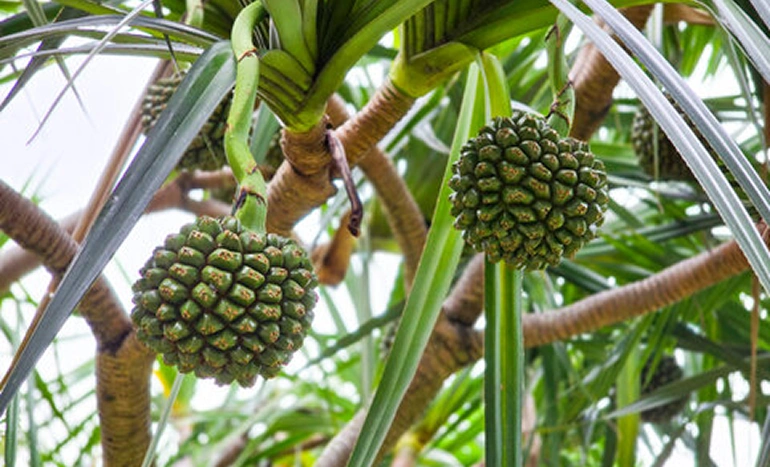
The Kashid Tree belongs to the Pandanaceae family and thrives in sandy soils, often near coastlines. It can grow up to 10 meters tall and is easily recognized by its stilt-like roots, long spiky leaves, and fragrant flowers.

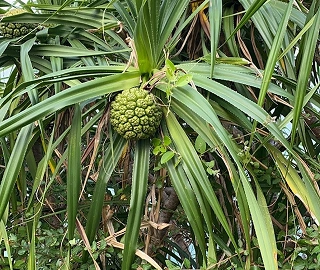
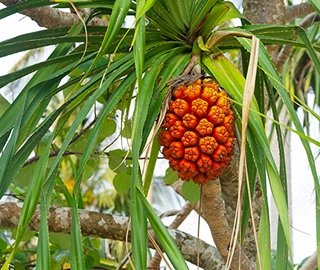
Its fruit resembles a pineapple, which is not only visually appealing but also provides nourishment for various animals.

Historical and Cultural Significance

The Kashid Tree has been deeply intertwined with coastal cultures for centuries. In traditional societies, its leaves were used for weaving mats, ropes, and baskets, while its fragrant flowers played a role in rituals and ceremonies.

Its robust roots symbolize resilience, making it a metaphor for strength in many cultures.

Fun Fact: In some Pacific Island cultures, the fruit of the Kashid Tree is considered sacred and used as an offering during spiritual ceremonies.

Medicinal Properties of the Kashid Tree

The Kashid Tree is a treasure trove of natural remedies, with its leaves, roots, and flowers containing bioactive compounds like alkaloids, flavonoids, and essential oils. These properties make it a key component in traditional medicine.

  • Skin Care: Its leaves are used to soothe burns, treat wounds, and reduce inflammation.
  • Digestive Health: The fruit and roots are known for aiding digestion and alleviating constipation.
  • Respiratory Health: Its flowers are often used in herbal teas to relieve colds and coughs.
  • Antimicrobial Properties: Extracts from the tree are effective against bacterial and fungal infections.

Scientific Backing

Studies published in the Journal of Medicinal Plants confirm the Kashid Tree’s antimicrobial, anti-inflammatory, and antioxidant properties. Research highlights its potential in treating skin disorders, improving gut health, and boosting overall immunity.

Environmental Impact

Beyond its medicinal benefits, the Kashid Tree is an ecological powerhouse, playing a critical role in maintaining coastal and tropical ecosystems. Its adaptability to saline and sandy soils makes it invaluable for coastal restoration projects.

  • Soil Stabilization: The tree’s extensive root system prevents soil erosion and protects coastlines from the impact of waves and storms.
  • Biodiversity Support: Its fruit provides food for animals, while its flowers attract pollinators like bees and butterflies.
  • Carbon Sequestration: The Kashid Tree absorbs carbon dioxide, contributing to the fight against climate change and improving air quality.

Fun Fact: The Kashid Tree’s floating fruit helps it spread across coastal areas, showcasing nature’s genius in plant propagation.

Kashid Tree in Sustainable Practices

The Kashid Tree has long been a cornerstone of sustainable living. Its leaves are biodegradable and eco-friendly, making them a great alternative to synthetic materials. Coastal communities use its leaves to weave baskets and mats, creating functional items while reducing plastic usage.

Planting and Caring for the Kashid Tree

  • Soil: Thrives in sandy, well-drained soils but adapts well to various coastal and tropical conditions.
  • Sunlight: Requires full sunlight for optimal growth and flowering.
  • Watering: Minimal watering is needed once established, as the tree is highly drought-tolerant.
  • Pruning: Regular pruning ensures healthy growth and maintains its iconic shape.

Modern Applications

In addition to its traditional uses, the Kashid Tree is gaining recognition in modern industries. Its extracts are being explored for skincare and wellness products, while its leaves are used in crafting eco-friendly items.

Its role in reforestation projects highlights its contemporary importance in combating environmental degradation.

Cultural Symbolism

The Kashid Tree symbolizes strength and resilience in coastal communities. Its ability to withstand harsh conditions while providing resources and protection makes it a metaphor for perseverance and harmony with nature.

It is often planted near homes and temples as a sign of prosperity and good fortune.

Conservation and Sustainability

Although the Kashid Tree is resilient, habitat loss and overexploitation pose threats to its natural populations. Promoting its cultivation in urban and rural landscapes can help preserve its ecological and cultural value.

Conservation initiatives, particularly in coastal areas, ensure the tree continues to benefit future generations.

Conclusion

The Kashid Tree is a true evergreen gem, blending ecological brilliance, medicinal wonders, and cultural significance.

From its role in supporting coastal ecosystems to its contributions to traditional medicine and sustainable practices, this tree is a testament to nature’s ability to heal and inspire.

By celebrating and conserving the Kashid Tree, we ensure its legacy as a symbol of resilience and harmony continues to thrive for generations to come.

Kashid Tree - Coastal Marvel
Kashid Tree Fruit

Kashid Tree Benefits

The Kashid Tree blends medicinal power, ecological brilliance, and cultural richness, offering nature’s finest gifts from healing burns to stabilizing coastlines and supporting biodiversity with effortless grace.

Medicinal Properties of Kashid Tree

Packed with bioactive compounds, its leaves soothe burns, roots aid digestion, and flowers relieve respiratory woes, making it a complete package for natural remedies and health enthusiasts.

Kashid Tree in Traditional Medicine

Revered for generations, this tree’s versatile parts have treated everything from coughs to wounds, showcasing its timeless role in folk healing traditions worldwide.

Environmental Role of Kashid Tree

A coastal hero, the Kashid Tree prevents soil erosion, supports wildlife, and acts as nature’s frontline defense against storms and waves, proving its ecological mettle.

Kashid Tree in Sustainable Practices

Its leaves and roots are eco-friendly, woven into mats and baskets, reducing reliance on plastics and making it a poster child for green living.

Cultural Significance of Kashid Tree

A symbol of resilience and prosperity, this tree is celebrated in rituals and as a spiritual guardian, embodying strength and abundance in coastal communities.

Modern Applications of Kashid Tree

From eco-friendly crafts to skincare innovations, this tree bridges ancient traditions with contemporary needs, proving its relevance in a sustainable future.

Conservation of Kashid Tree

Habitat threats mean its natural beauty and benefits are at risk, making conservation efforts vital to preserving its medicinal, ecological, and cultural legacy.

FAQ

What is the Keshiya Sayma Tree?

The Keshiya Sayma Tree, scientifically known as Albizia procera, is a fast-growing deciduous tree admired for its medicinal properties, soil-enhancing abilities, and ecological contributions.

01

Why is the Keshiya Sayma Tree called an evergreen treasure?

Despite being deciduous, its resilience, healing powers, and ecological benefits make it a timeless marvel, thriving in diverse conditions and enriching both nature and communities.

02

What are the medicinal uses of the Keshiya Sayma Tree?

Its bark, seeds, and leaves treat skin infections, digestive issues, and joint pain, proving it’s a natural remedy powerhouse validated by Ayurveda.

03

How does the Keshiya Sayma Tree benefit the environment?

By fixing nitrogen, preventing soil erosion, and supporting biodiversity, this tree plays a vital role in restoring balance to fragile ecosystems and combating climate change.

04

Can the Keshiya Sayma Tree thrive in poor soils?

Absolutely! This tree is a master of resilience, thriving in rocky, sandy, or degraded soils while enriching them for future vegetation.

05

Why is the Keshiya Sayma Tree significant in agroforestry?

Its nitrogen-fixing roots improve soil fertility, while its shade benefits crops, making it a sustainable ally in modern and traditional farming systems.

06

What are the modern applications of the Keshiya Sayma Tree?

Its wood is used for furniture and paper, while its medicinal extracts are explored for cosmetics and pharmaceuticals, blending tradition with innovation.

07

Why should we conserve the Keshiya Sayma Tree?

Deforestation threatens this marvel, and conservation ensures its medicinal, ecological, and cultural benefits continue to support ecosystems and communities for generations.

08
logo
back top