
Bottle Brush Tree: Unveiling the Striking Beauty and Eco-Friendly Wonders of Nature’s Floral Masterpiece
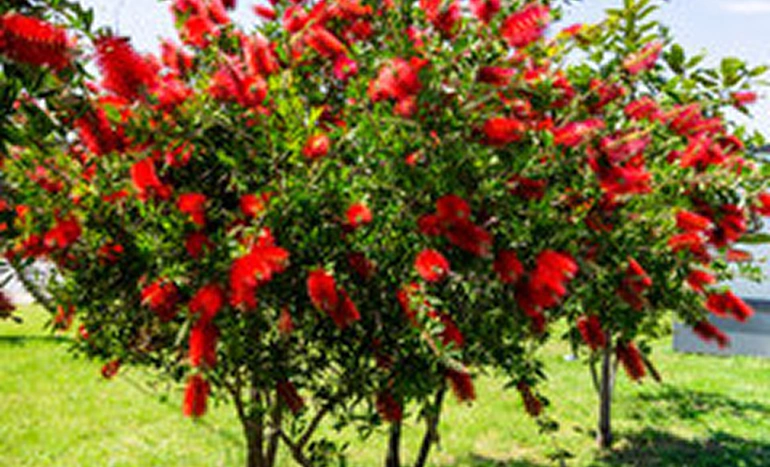
Aadusa Tree - Medicinal Plant

Bottle Brush Tree: Striking Beauty and Eco-Friendly Wonder

The Bottle Brush Tree (Callistemon) is a visually stunning Australian native, recognized for its cylindrical, brush-like flowers and ecological importance. It thrives as a shrub or small tree, contributing to urban greenery, pollinator support, and soil stabilization.

This guide covers the Bottle Brush Tree’s scientific characteristics, historical and cultural significance, environmental contributions, cultivation tips, and its role in modern landscaping and sustainability.

Scientific Classification and Characteristics

  • Height: Up to 10 meters as a tree or shrub.
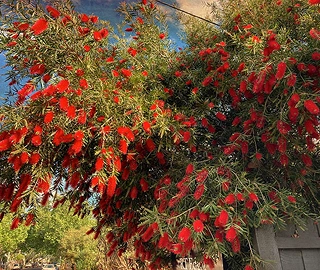
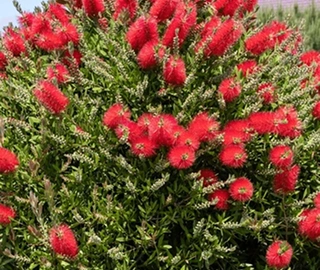
  • Flowers: Iconic red, cylindrical “bottle-brush” blooms.
  • Leaves: Evergreen, often used in traditional remedies.
  • Family: Myrtaceae.
  • Pollinators: Attracts birds, bees, and butterflies.

Historical and Cultural Significance

Native to Australia, the Bottle Brush Tree was important to Aboriginal culture for its sweet nectar and practical uses. European settlers adopted it as an ornamental plant, appreciating its vibrant blooms and ability to thrive in diverse climates.

Environmental Benefits

  • Attracts pollinators, supporting biodiversity and ecosystem health.
  • Prevents soil erosion with a robust root system.
  • Improves air quality by sequestering carbon and releasing oxygen.
  • Drought-tolerant, making it suitable for arid or water-scarce areas.

Medicinal Uses

  • Leaves and extracts have antibacterial and antifungal properties.
  • Used in teas to soothe respiratory ailments like colds and coughs.
  • Oils are applied in skincare for soothing and antimicrobial effects.

Cultivation Tips

  • Soil: Prefers well-drained sandy or loamy soils but adapts to various types.
  • Sunlight: Full sun for optimal flower production.
  • Watering: Minimal once established; drought-tolerant.
  • Pruning: Regular pruning promotes healthy growth and maintains shape.

Role in Landscaping and Modern Applications

  • Common in parks, gardens, and streetscapes for ornamental beauty and shade.
  • Supports urban biodiversity by attracting wildlife.
  • Essential oils from leaves are used in natural skincare and wellness products.
  • Wood is occasionally used for small crafts and tools.

Cultural Symbolism and Conservation

The Bottle Brush Tree symbolizes resilience and beauty in adversity. Planting it in gardens or urban landscapes supports pollinators, enhances biodiversity, and ensures its ecological value continues for future generations.

Conclusion

The Bottle Brush Tree is an ecological and cultural treasure, blending aesthetic appeal with environmental benefits. From pollinator support to medicinal uses, it offers multifaceted value, making it a must-have for sustainable landscaping and conservation efforts.

Aadusa Tree Leaves - Medicinal Properties
Aadusa Tree Environmental Benefits

Bottle Brush Tree: Striking Beauty and Eco-Friendly Marvel

The Bottle Brush Tree (Callistemon) is an iconic Australian native recognized for its vibrant red, cylindrical flowers, evergreen foliage, and ecological benefits. It thrives in gardens, parks, and urban landscapes, attracting pollinators and supporting biodiversity.

In this guide, we explore the Bottle Brush Tree’s scientific traits, medicinal uses, cultural significance, environmental role, landscaping potential, modern applications, and conservation efforts.

Scientific Characteristics

  • Height: Up to 10 meters, can grow as a shrub or small tree.
  • Flowers: Bright red, cylindrical “bottle-brush” blooms rich in nectar.
  • Leaves: Evergreen, aromatic, often used in traditional remedies.
  • Family: Myrtaceae.
  • Pollinators: Attracts birds, bees, and butterflies.

Medicinal and Traditional Uses

  • Antibacterial & Antifungal: Leaf extracts treat infections and wounds.
  • Respiratory Health: Leaves used in teas to soothe coughs and colds.
  • Skin Care: Oils incorporated in skincare for antimicrobial and soothing effects.
  • Traditional Remedies: Aboriginal Australians brewed leaves for medicinal purposes.

Environmental Benefits

  • Pollinator Support: Nectar-rich flowers sustain bees, birds, and butterflies.
  • Soil Stabilization: Extensive roots prevent erosion and improve soil quality.
  • Air Quality Improvement: Sequesters carbon dioxide and releases oxygen.
  • Drought Tolerance: Thrives in dry or water-scarce regions.

Role in Landscaping

  • Ornamental Value: Vibrant flowers enhance gardens, parks, and streetscapes.
  • Urban Biodiversity: Supports wildlife habitats in cities and towns.
  • Shade and Aesthetics: Provides greenery, color, and visual appeal.

Cultural Significance

The Bottle Brush Tree symbolizes resilience and vitality, thriving in challenging conditions. In some cultures, it is planted as a sign of prosperity and positivity, representing strength and beauty in adversity.

Modern Applications

  • Essential Oils: Used in natural wellness and skincare products.
  • Crafting: Wood is used in small eco-friendly crafts and tools.
  • Agricultural Support: Attracts pollinators that benefit crop productivity.

Conservation and Sustainability

While widely cultivated, urbanization and habitat loss threaten natural populations. Promoting planting in gardens, parks, and reforestation projects ensures the Bottle Brush Tree continues to enhance biodiversity and provide ecological and aesthetic benefits for future generations.

FAQs

What is the Bottle Brush Tree?

The Bottle Brush Tree (Callistemon) is a small Australian native tree famous for its bright, cylindrical flowers that attract pollinators and enhance landscapes.

Why is it called the Bottle Brush Tree?

Its flowers resemble a cylindrical bottle brush, giving it a unique appearance and making it visually striking in gardens and urban spaces.

What are the medicinal uses of the Bottle Brush Tree?

Leaves and extracts are used to soothe respiratory issues, heal wounds, and improve skin health, reflecting its role in traditional and natural remedies.

How does the Bottle Brush Tree benefit the environment?

It attracts pollinators, prevents soil erosion, and sequesters carbon dioxide, contributing to biodiversity and ecosystem health.

Can the Bottle Brush Tree thrive in harsh conditions?

Yes. This drought-tolerant tree adapts to various soils and climates, making it resilient in both urban and rural landscapes.

Why is the Bottle Brush Tree significant in landscaping?

Its vibrant flowers, evergreen foliage, and low-maintenance nature make it ideal for parks, streets, and gardens, supporting urban biodiversity.

What are the modern applications of the Bottle Brush Tree?

Essential oils are used in wellness and skincare products, while its wood is used in eco-friendly crafts, demonstrating its versatility beyond ornamental purposes.

Why should we conserve the Bottle Brush Tree?

Habitat loss and urbanization threaten its natural populations. Conservation ensures its ecological, medicinal, and ornamental benefits continue for future generations.

logo
back top