

Neem Tree: Unveiling the Secrets of Nature's Pharmacy
Neem Tree - Nature's Pharmacy

Introduction to Neem Tree

The Neem tree, scientifically known as Azadirachta indica, is often referred to as the "Village Pharmacy" due to its wide range of medicinal properties. This remarkable and revered tree, native to the Indian subcontinent, is celebrated for its diverse benefits, cultural significance, and ecological contributions.

Historical and Cultural Significance

The Neem tree holds immense cultural and historical significance in India. It has been mentioned in ancient Indian texts, such as the Vedas and the Ayurvedic scriptures, dating back thousands of years. Neem has been revered as a sacred tree and is often associated with divinity and healing. It is associated with purity, protection, and prosperity. Neem leaves are used in religious rituals, festivals, and auspicious occasions. They are also hung near doorways to ward off evil spirits and promote positive energy.

Botanical Characteristics

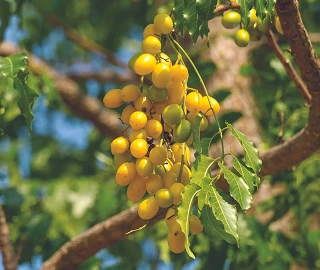
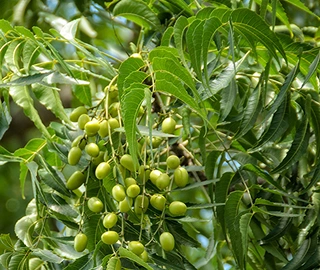
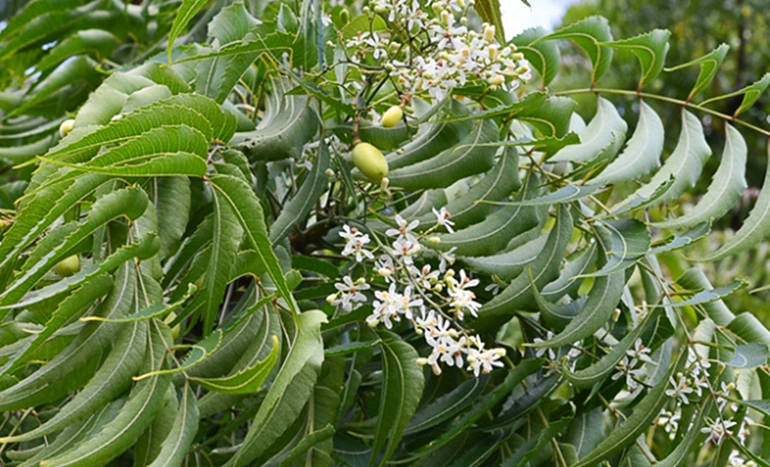
The Neem tree is an evergreen tree that can reach heights of up to 20 meters. It has a dense, spreading crown and a rough, dark gray bark. The leaves are pinnate and arranged alternately, with numerous leaflets that give it a feathery appearance. The tree produces small, fragrant white flowers and oval-shaped fruits containing a single seed.

Neem Tree - Feathery Leaves
Neem Tree - Oval Fruits

Medicinal Uses

Neem is renowned for its medicinal properties and has been an integral part of traditional Ayurvedic medicine. It is known for its antibacterial, antifungal, antiviral, and anti-inflammatory properties. Various parts of the tree, such as the leaves, bark, seeds, and oil, are used to treat a wide range of ailments, including skin disorders, digestive issues, respiratory conditions, and dental issues.

Environmental Benefits

The Neem tree plays a crucial role in maintaining ecological balance. Its dense foliage provides shade, reducing soil erosion and protecting the soil from harsh sunlight. The tree's flowers attract pollinators, supporting the diversity of insect life. The fallen leaves decompose, enriching the soil with organic matter and nutrients. Its ability to thrive in arid conditions also aids in carbon sequestration.

Commercial Applications

Neem has significant commercial applications in agriculture, cosmetics, pharmaceuticals, and personal care products. Its natural pesticide properties make it valuable in organic farming, while its extracts are used in skincare, haircare, and medicinal products, offering eco-friendly alternatives.

Neem Oil

Neem oil, derived from the seeds, is a versatile product used as a natural pesticide, insect repellent, and skincare ingredient. Extracted through pressing or solvent extraction, it effectively deters pests and soothes skin conditions, making it a staple in organic farming and personal care.

Culinary Uses

Despite its bitterness, Neem leaves are used in traditional Indian dishes, herbal teas, and condiments. Rich in vitamins, minerals, antioxidants, and flavonoids, they contribute to overall well-being when incorporated into culinary preparations in moderation.

Neem in Modern Research

Recent scientific studies highlight Neem’s potential in cancer treatment, diabetes management, and as an antimicrobial agent. Its bioactive compounds are being explored for innovative applications in healthcare, reinforcing its relevance in modern medicine.

Cultivation and Conservation

Neem trees are easy to cultivate, thriving in well-drained soils and requiring minimal water once established, making them ideal for arid regions. Conservation efforts focus on sustainable cultivation to combat habitat destruction and promote awareness of Neem’s ecological and medicinal importance. Organizations like Grow Billion Trees Partners support these initiatives through community engagement and reforestation projects.

Myth-busting and Misconceptions

A common misconception is that Neem is toxic in all forms; however, when used appropriately, it is safe for medicinal and culinary purposes. Addressing such myths ensures the tree’s benefits are appreciated without unwarranted concerns.

Future Prospects

The Neem tree’s future is bright, with potential roles in sustainable agriculture, healthcare, and environmental conservation. Its natural pest-repellent and medicinal properties position it as a key player in eco-friendly practices and innovative health solutions.

Interesting Facts

Neem trees can live for over 200 years, making them long-lasting and resilient. Neem oil, derived from the seeds, is used as a natural pesticide and insect repellent. Neem twigs are traditionally used as natural toothbrushes due to their antimicrobial properties.

Conclusion

The Neem tree stands tall as a testament to the remarkable gifts of nature. Its medicinal properties, ecological importance, and cultural significance make it a cherished and revered tree. Let us continue to appreciate and protect the mighty Neem tree, ensuring its legacy for future generations and celebrating the wonders of the natural world.

FAQ

What is the Neem tree and where is it found?

The Neem tree, scientifically known as Azadirachta indica, is an evergreen tree native to the Indian subcontinent. It is commonly found in countries like India, Bangladesh, Pakistan, and Nepal.

01

What are the medicinal uses of the Neem tree?

The Neem tree has a long history of traditional medicinal use. It is known for its antibacterial, antiviral, antifungal, and anti-inflammatory properties. Neem leaves, oil, and bark are used in various remedies to treat skin disorders, digestive issues, respiratory conditions, and infections.

02

How is Neem oil extracted and what is it used for?

Neem oil is extracted from the seeds of the Neem tree through a process called cold-pressing. It is widely used in cosmetics, skincare products, and agriculture. Neem oil is known for its insecticidal properties and is used as a natural pesticide, as well as for treating scalp conditions, promoting hair growth, and moisturizing the skin.

03

What are the environmental benefits of the Neem tree?

The Neem tree offers several environmental benefits. It acts as a natural air purifier by absorbing carbon dioxide and releasing oxygen. It helps prevent soil erosion and desertification due to its extensive root system. Additionally, Neem leaves and extracts are used as organic fertilizers and biopesticides, reducing the reliance on chemical alternatives.

04

Can Neem products be harmful to humans or animals?

Neem products are generally safe for humans and animals when used as directed. However, like any natural product, some individuals may have allergic reactions or sensitivity to Neem. It is advisable to perform a patch test before using Neem products topically, and consult a healthcare professional if any adverse reactions occur.

05

Can Neem trees be grown in other parts of the world?

While Neem trees are native to the Indian subcontinent, they can be grown in other tropical and subtropical regions with similar climatic conditions. Neem trees have been successfully cultivated in parts of Africa, the Americas, and Southeast Asia. Their adaptability and numerous benefits make them a valuable tree species for various regions around the world.

06
logo
back top