


Spindle Tree
Spindle Tree: Unveiling the Enchanting Secrets and Benefits of This Unique Plant
Scientific Characteristics of the Spindle Tree
Historical Significance
Fun Facts About the Spindle Tree
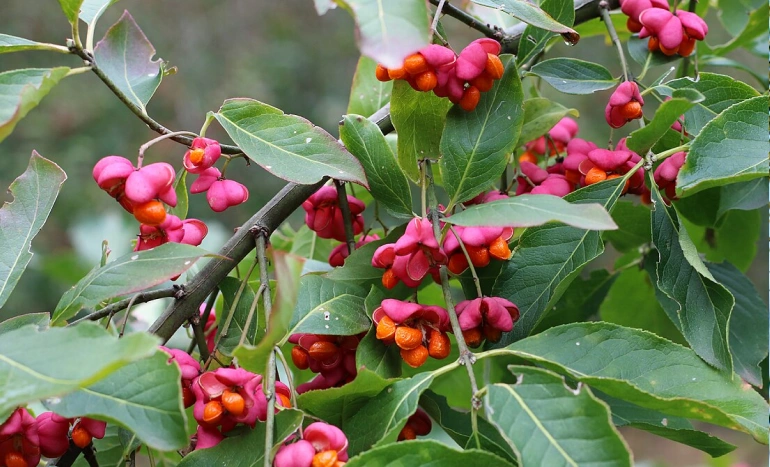
- The Spindle Tree is a favorite among birds, particularly during the winter months when other food sources are scarce. The bright pink seeds are a vital food source for many bird species.
- Despite its beauty, all parts of the Spindle Tree are toxic if ingested. The seeds contain compounds that can cause gastrointestinal distress, making it essential for gardeners to be aware of this aspect when planting near children or pets.
- The Spindle Tree is often used in traditional medicine, with extracts believed to have anti-inflammatory and antimicrobial properties. However, caution is advised due to its toxic nature.
- The plant's striking autumn foliage and unique fruit make it a popular choice for ornamental gardens, providing visual interest throughout the seasons.
Environmental Impact
Grow Billion Trees Partners: Promoting Sustainable Practices
How to Grow and Care for Spindle Trees
- Site Selection: Choose a location that receives partial shade to full sun. The Spindle Tree can tolerate a range of soil types but thrives in well-drained, fertile soil.
- Planting: Plant Spindle Trees in the spring or fall. Dig a hole that is twice the width of the root ball and just as deep. Gently place the tree in the hole, ensuring that the top of the root ball is level with the soil surface. Backfill with soil and water thoroughly.
- Watering: While Spindle Trees are relatively drought-tolerant once established, they will benefit from regular watering during dry spells, especially in the first couple of years after planting.
- Pruning: Prune the tree in late winter or early spring to maintain its shape and remove any dead or diseased branches. This will encourage healthy growth and improve air circulation.
- Pest Management: Monitor for common pests such as aphids and scale insects. If infestations occur, treat them with insecticidal soap or neem oil.
Conclusion
Spindle Tree Benefits
Spindle Tree Folklore
Spindle Tree Cultivation
Spindle Tree Toxicity
Spindle Tree Ecosystem Role
Spindle Tree Historical Uses
Spindle Tree Landscaping
Spindle Tree Reforestation
Spindle Tree Gardening Tips
Spindle Tree Wildlife Attraction
Spindle Tree Community Involvement
FAQ
What is the Spindle Tree?
The Spindle Tree, or Euonymus europaeus, is a deciduous shrub or small tree from the Celastraceae family. Found in Europe and parts of Asia, it's famous for its striking appearance and rich history. With its vibrant autumn foliage and unique fruit, it's a favorite among gardeners and nature enthusiasts alike.
1
How tall can a Spindle Tree grow?
The Spindle Tree can reach heights of up to 10 meters, making it a standout in any garden. Its adaptability allows it to thrive in various soil types, so whether you're aiming for a towering beauty or a cozy shrub, the Spindle Tree has got you covered!
2
What makes the Spindle Tree's fruit unique?
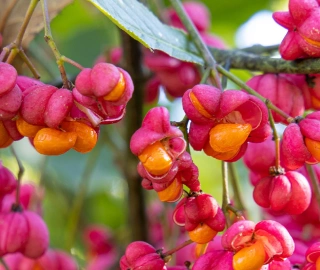
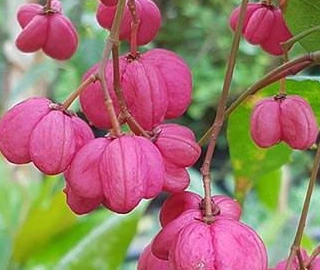
The Spindle Tree’s fruit is a showstopper! It produces a capsule that splits open to reveal bright pink seeds encased in a fleshy aril. This eye-catching display not only attracts wildlife but also adds a splash of color to your landscape. Talk about a fruit that knows how to steal the spotlight!
3
Is the Spindle Tree safe for pets?
Not so much! While the Spindle Tree is a beauty, all parts of it are toxic if ingested. Those vibrant seeds can cause gastrointestinal distress, so keep an eye on curious pets and little ones if you decide to plant this enchanting tree in your garden.
4
What are the historical uses of the Spindle Tree?
The Spindle Tree has a rich history, valued for its dense, strong wood used to craft spindles and high-quality furniture. It’s been a part of folklore too, symbolizing protection and good fortune. Who knew this tree had such a storied past?
5
How does the Spindle Tree benefit wildlife?
The Spindle Tree is a wildlife haven! Its bright pink seeds serve as a vital food source for birds during winter, while its dense foliage provides shelter for small mammals and nesting sites. Planting Spindle Trees means you're not just beautifying your garden; you're creating a thriving ecosystem!
6
Can the Spindle Tree be used in traditional medicine?
Indeed! The Spindle Tree's extracts are believed to have anti-inflammatory and antimicrobial properties. However, tread carefully! Due to its toxic nature, it's best to consult with a professional before using it for medicinal purposes. Nature can be a bit tricky that way!
7
How do I grow a Spindle Tree?
Growing a Spindle Tree is a breeze! Choose a site with partial shade to full sun, and plant in well-drained, fertile soil during spring or fall. Water regularly during dry spells, and watch it thrive! Just remember, a little pruning goes a long way to keep it looking its best.
8
What pests should I watch for on my Spindle Tree?
Keep an eye out for pesky aphids and scale insects that might want to crash the Spindle Tree party. If they show up uninvited, treat them with insecticidal soap or neem oil. A little vigilance ensures your tree remains the belle of the garden ball!
9
What role does the Spindle Tree play in reforestation?
The Spindle Tree is a champion of reforestation! Its adaptability to various soil types makes it ideal for restoring degraded landscapes. By planting Spindle Trees, we can combat soil erosion, enhance soil quality, and promote biodiversity. It’s like giving Mother Nature a helping hand!
10
How can I get involved with tree planting initiatives?
Joining tree planting initiatives is easier than you think! Look for local organizations like Grow Billion Trees Partners, which focus on sustainable reforestation. Participate in workshops, volunteer for planting days, and spread the word about the importance of trees. Together, we can grow a greener future!
11
Your Suggestions
Leave your message and we'll get back to you shortly.