

Loquat Tree: Unlock the Secrets to Growing Delicious Fruit and Stunning Foliage
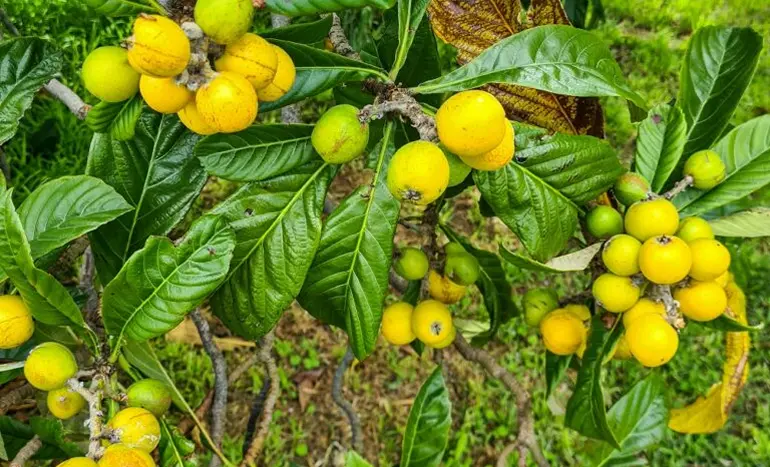
Loquat Tree - Evergreen Beauty

Loquat trees, scientifically known as Eriobotrya japonica, are a feast for the senses with their lush foliage, fragrant flowers, and sweet, juicy fruits. Native to Southeast China, these evergreen members of the Rosaceae family have captured the hearts of gardeners worldwide. In this guide, we delve into the secrets of growing loquat trees, their historical significance, environmental impact, and the role of organizations like Grow Billion Trees Partners in promoting sustainable tree planting.

Understanding the Loquat Tree

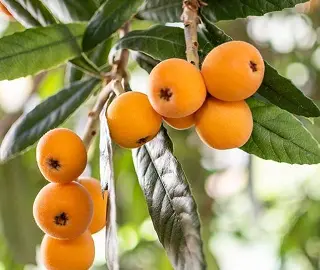
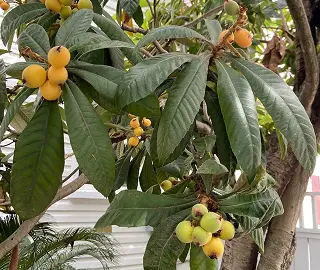
Loquat trees, part of the Rosaceae family alongside apples and cherries, can grow up to 30 feet tall but are often pruned for manageability. Their large, glossy, dark green leaves and clusters of white or pale yellow flowers bloom in late winter to early spring, attracting pollinators like bees and butterflies. The fruit, resembling a peach-apricot cross, is rich in vitamins A and C, fiber, and antioxidants, with potential anti-inflammatory and anti-cancer properties.

Growing Loquat Trees

Growing loquat trees is like hosting a garden party for bees, butterflies, and delicious fruits. With the right conditions, these trees thrive, offering both beauty and bounty for gardeners of all levels.

Loquat Planting Tips

Planting a loquat tree is like setting the stage for a beautiful performance. Choose a sunny spot with well-drained soil (pH 6.0-6.5) and ample space for growth. Start with seeds soaked for 24 hours or a nursery sapling. Dig a hole twice the width of the root ball, backfill with soil, and water thoroughly to establish your tree.

Loquat Cultivation

Loquat cultivation requires full sun or partial shade and regular watering, especially in the first year. Once established, they’re drought-tolerant but benefit from deep watering during dry spells. Fertilize with a balanced fertilizer in early spring, and prune in late winter to maintain shape and health.

Pest Management

Loquat trees are tough but can attract scale insects and aphids. Regular inspections are like routine check-ups; use organic insecticidal soap to manage infestations. Watch for fungal diseases like leaf spot, ensuring good airflow and proper watering to keep your tree healthy.

Loquat Tree - Juicy Fruits
Loquat Tree - Glossy Foliage

Loquat Fruit Benefits

The loquat fruit is a nutritional powerhouse, packed with vitamins A and C, antioxidants, and fiber. It’s a guilt-free snack that can be enjoyed fresh, in jams, or in savory dishes, keeping your taste buds dancing with its peach-apricot flavor.

Culinary Uses

Loquat fruit is a culinary superstar, perfect for fresh snacking, desserts, salads, or sauces. Its sweet, tangy flavor elevates dishes, making it a secret ingredient your dinner guests will beg for the recipe to.

Pruning Techniques

Pruning a loquat tree is like giving it a stylish haircut. Trim dead branches and thin crowded areas in late winter or early spring to improve light penetration and maintain a healthy, attractive shape.

Loquat Historical Significance

Originating in China during the Tang Dynasty, loquats have a rich history, spreading to Japan and the Mediterranean. This delicious fruit has charmed gardeners worldwide, becoming a staple in regions like California and Florida.

Environmental Impact

Loquat trees are eco-warriors, supporting pollinators, combating soil erosion with their roots, and sequestering carbon to fight climate change. They enhance biodiversity by providing nectar and fruit for wildlife.

Loquat Tree Lifespan

With a lifespan exceeding 100 years, loquat trees are a long-term garden investment, providing beauty and fruit for generations with proper care.

Loquat Tree Varieties

Loquat trees come in various varieties, each with unique charm. Some offer sweeter fruits, while others are more ornamental, making the exploration of types like a treasure hunt for gardeners.

Community Involvement

Grow Billion Trees Partners rallies communities to plant trees, empowering locals to take charge of their environment. Their efforts make tree planting a movement for a greener future.

Grow Billion Trees Partners

Grow Billion Trees Partners leads reforestation efforts, promoting loquat trees in suitable regions. Through community engagement, education, and resources, they ensure sustainable planting and ecosystem restoration.

Fun Facts About Loquat Trees

Known as “Japanese medlar,” loquats are popular in Japan. Their fruit can be eaten slightly firm, leaves are used in traditional medicine for respiratory health, and the trees can live over 100 years.

Conclusion

Growing a loquat tree offers delicious fruit and stunning foliage for generations. With their historical significance and environmental benefits, supported by initiatives like Grow Billion Trees Partners, loquats are a sustainable choice. Start your loquat journey today and contribute to a greener future.

FAQ

What are loquat trees?

Loquat trees, scientifically known as Eriobotrya japonica, are evergreen beauties from Southeast China, boasting lush foliage, fragrant flowers, and sweet, juicy fruits. They’re like the charming guests at a garden party, offering both visual appeal and delicious snacks!

01

How tall do loquat trees grow?

Loquat trees can stretch up to 30 feet tall, but don’t worry! With a little pruning, you can keep them at a more manageable height—perfect for those who prefer their trees on the shorter side, like a well-groomed hedge!

02

What kind of soil do loquat trees need?

Loquat trees love well-drained soil with a pH of 6.0 to 6.5. Think of it as their fancy spa treatment; they thrive in a soil environment that’s just right—not too acidic, not too alkaline, but just perfect for their roots!

03

When do loquat trees bloom?

Loquat trees bloom in late winter to early spring, offering clusters of white or pale yellow flowers. They’re like the early birds of the flowering world, waking up from winter slumber to attract bees and butterflies—nature’s pollination party!

04

How do you plant a loquat tree?

Planting a loquat tree is like setting up a new friend for success! Dig a hole twice the width of the root ball, place the tree in, and backfill with soil. Water thoroughly, and voilà! You’ve got a new garden companion ready to grow!

05

How often should I water my loquat tree?

Water your loquat tree regularly during its first year, like a new pet needing attention. Once established, it’s relatively drought-tolerant but will appreciate a deep drink during dry spells—think of it as a refreshing spa day for your tree!

06

What pests affect loquat trees?

Loquat trees are generally pest-resistant, but watch out for sneaky scale insects and aphids. Regular inspections are key! If you spot them, treat with organic insecticidal soap—like giving your tree a gentle shower to keep it pest-free!

07

When is the best time to harvest loquats?

Loquats typically ripen in late spring to early summer, turning a golden-yellow when ready. They’re like the fruit version of a golden ticket—pick them gently to avoid bruising, and enjoy the sweet rewards of your gardening efforts!

08

Can loquat trees live a long time?

Yes! Loquat trees can live for over 100 years, making them the wise old sages of the garden. Plant one today, and it could be a family heirloom, providing delicious fruits and beautiful foliage for generations to come!

09

What are the health benefits of loquats?

Loquats are packed with vitamins A and C, dietary fiber, and antioxidants—making them a snack that’s as good for your health as it is for your taste buds! They might even have anti-inflammatory and anti-cancer properties, giving you another reason to enjoy these tasty treats!

10

How do loquat trees contribute to the environment?

Loquat trees support biodiversity by attracting pollinators and providing food for wildlife. They also combat soil erosion with their robust root systems and help in carbon sequestration—doing their part for a healthier planet while looking fabulous in your garden!

11
logo
back top