
Silver Lime Tree: The Ultimate Guide to Growing, Caring for, and Enjoying This Stunning Tree
Aadusa Tree - Medicinal Plant

Silver Lime Tree: The Ultimate Guide to Growing, Caring for, and Enjoying

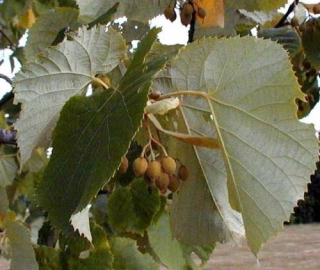
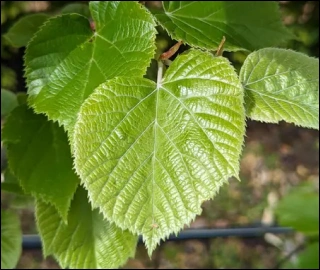
The Silver Lime Tree, scientifically known as Tilia tomentosa, is a stunning deciduous tree with heart-shaped leaves and fragrant flowers. Native to Southeast Europe and parts of Asia, it supports biodiversity, improves environmental health, and adds aesthetic beauty to landscapes.

Scientific Classification

Kingdom: Plantae
Clade: Angiosperms
Order: Malvales
Family: Tiliaceae
Genus: Tilia
Species: T. tomentosa

Physical Characteristics

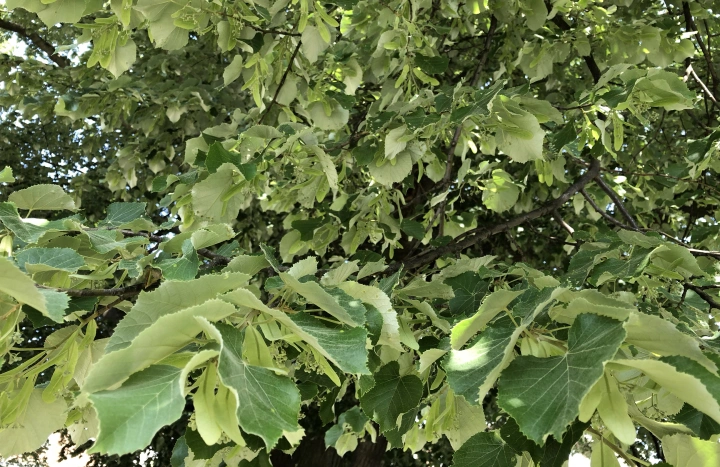
Silver Lime Trees can grow 50–80 feet tall and up to 40 feet wide. Their leaves have a velvety silver underside, and they produce fragrant yellowish-white flowers that bloom in late spring, attracting bees and butterflies.

Historical and Cultural Significance

Historically, the wood was used for musical instruments due to its excellent acoustic properties. In German folklore, the Silver Lime symbolizes love and romance. Its presence in public gardens represents tranquility and beauty.

Growing and Caring for Silver Lime Trees

Soil: Well-drained, loamy or sandy soil with pH 6.0–7.5.
Sunlight: Full sun to partial shade.
Watering: Regular watering for young trees; established trees tolerate drought.
Fertilization: Balanced fertilizer in early spring; organic compost is ideal.
Pruning: Late winter pruning to remove dead/damaged branches and shape the tree.
Pests/Diseases: Watch for aphids, scale insects, and fungal infections; generally resistant.

Environmental Benefits

Carbon Sequestration: A mature tree absorbs ~48 lbs of CO2/year.
Biodiversity Support: Flowers feed pollinators like bees and butterflies.
Urban Cooling: Provides shade, reduces urban heat, and lowers energy use for cooling.

Fun Facts

Often mistaken for the American Lime, Silver Lime has velvety silver leaves. Its flowers are used in herbal medicine, and in some cultures, planting it near homes is believed to bring good luck and protection.

Grow Billion Trees Initiatives

Organizations like Grow Billion Trees promote planting Silver Lime Trees through:
Community Engagement: Workshops, education programs, volunteering.
Collaboration with Governments: Sustainable reforestation policies and planting sites.
Promotion of Native Species: Advocating for ecologically balanced plantings.
Educational Programs: Teaching children the importance of trees.
Monitoring and Maintenance: Ensuring tree survival and healthy growth.

Enjoying the Silver Lime Tree

Aesthetic Appeal: Lush foliage and fragrant flowers create picturesque landscapes.
Shade and Cooling: Provides comfortable outdoor spaces in summer.
Wildlife Watching: Habitat for birds, bees, and butterflies.
Harvesting Flowers: Flowers can be used for herbal teas or potpourri.

Conclusion

The Silver Lime Tree is a remarkable species that enhances landscapes, supports biodiversity, and improves environmental health. By planting and caring for Silver Lime Trees, and supporting initiatives like Grow Billion Trees, you contribute to a greener, healthier, and more sustainable future.

Aadusa Tree Leaves - Medicinal Properties
Aadusa Tree Plantation

Silver Lime Tree: Beauty, Benefits, and Care

The Silver Lime Tree, or Tilia tomentosa, is a stunning deciduous tree with heart-shaped leaves and fragrant blossoms. Native to Southeast Europe and parts of Asia, it enhances landscapes, supports biodiversity, and contributes to climate change mitigation.

Ecological Benefits

Silver Lime Trees sequester carbon dioxide, helping fight climate change, provide shelter and food for pollinators like bees and butterflies, reduce urban heat, and improve air quality, making them environmental superheroes in urban and rural settings alike.

Growing Silver Lime Trees

Location: Full sun to partial shade.
Soil: Well-drained, loamy or sandy soils with pH 6.0–7.5.
Watering: Regular watering for young trees; established trees are drought-tolerant.
Fertilization: Apply balanced fertilizer or organic compost in early spring.
Pruning: Late winter pruning to remove dead/damaged branches and shape the tree.
Pests/Diseases: Generally resistant, but watch for aphids, scale insects, and fungal infections.

Historical and Cultural Uses

Its wood was historically used for musical instruments due to its excellent acoustic properties. In folklore, Silver Lime Trees symbolize love, luck, and protection. Planting one brings a touch of history and cultural significance to any garden.

Aesthetic Appeal

The heart-shaped leaves and fragrant flowers create a picturesque landscape. Its expansive canopy provides shade, ideal for patios, gardens, and parks, enhancing both visual appeal and comfort.

Pollinator-Friendly

Silver Lime Trees attract bees, butterflies, and other pollinators with their fragrant blossoms, supporting local ecosystems and promoting biodiversity.

Urban Landscaping Benefits

By providing shade, improving air quality, and reducing urban heat, Silver Lime Trees transform city environments into green, livable spaces.

Culinary Uses

The fragrant flowers can be harvested to make herbal teas or potpourri, adding a delightful culinary and aromatic benefit to your home garden.

Fun Facts and Myths

In some cultures, Silver Lime Trees are believed to bring good luck and protect against evil spirits. They are often mistaken for American Lime Trees, but the velvety silver underside of their leaves sets them apart.

Community and Conservation Initiatives

Organizations like Grow Billion Trees engage communities in planting Silver Lime Trees, run educational programs, and ensure long-term monitoring and maintenance, fostering environmental stewardship and sustainable reforestation.

Conclusion

Silver Lime Trees combine beauty, ecological value, and cultural significance. Planting and caring for them supports biodiversity, improves urban and rural environments, and contributes to a greener, healthier planet for generations to come.

FAQs

What is the Silver Lime Tree?

The Silver Lime Tree, or Tilia tomentosa, is a deciduous beauty from Southeast Europe, known for heart-shaped leaves and fragrant yellowish-white flowers. It grows 50–80 feet tall and attracts pollinators like bees and butterflies.

1

How do I grow a Silver Lime Tree?

Choose a sunny spot with well-drained soil, dig a hole twice the width of the root ball, plant it level with the soil, and water thoroughly. Regular care ensures a thriving, leafy companion.

2

What soil does the Silver Lime Tree prefer?

Silver Lime Trees prefer loamy or sandy soils with a pH of 6.0–7.5 and well-drained conditions. Avoid waterlogged soils to keep roots healthy and happy.

3

When should I prune my Silver Lime Tree?

Prune in late winter to remove dead or damaged branches and shape the tree. This improves air circulation and keeps the tree healthy.

4

What are the environmental benefits of Silver Lime Trees?

They sequester carbon, provide shade, reduce urban heat, and attract pollinators, supporting biodiversity and contributing to a healthier, greener environment.

5

Can Silver Lime Trees attract wildlife?

Yes! The fragrant flowers attract bees and butterflies, while branches provide shelter for birds, making your garden a thriving habitat for wildlife.

6

How do I care for my Silver Lime Tree?

Water regularly, fertilize in spring, prune in winter, and monitor for pests such as aphids to ensure healthy growth and lush foliage.

7

What is the historical significance of the Silver Lime Tree?

Its wood was used for musical instruments due to its acoustic properties. In German folklore, it symbolizes love and romance, giving the tree a rich cultural legacy.

8

How does the Grow Billion Trees initiative help?

Grow Billion Trees engages communities, collaborates with governments, and runs educational programs to promote tree planting and restore greener spaces.

9

Can I use Silver Lime flowers for anything?

The fragrant flowers can be harvested for herbal teas or potpourri, adding culinary and aromatic value to your home garden.

10

Why should I plant a Silver Lime Tree in my yard?

Planting a Silver Lime Tree enhances your landscape with shade, beauty, and support for local wildlife while contributing positively to the environment.

11
logo
back top