

Semal Tree
Semal Tree: Exploring the Majestic Silk Cotton Giant for Health, Culture, and Environmental Wonders
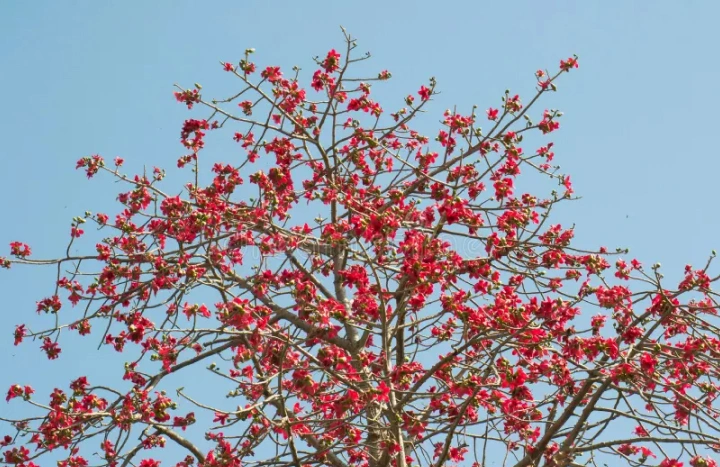
Semal Tree: Exploring the Majestic Silk Cotton Giant
Scientific Characteristics
Historical and Cultural Significance
Medicinal Properties
- Wound Healing: Bark applied to cuts and wounds.
- Digestive Health: Root extracts aid digestion and relieve bloating.
- Immunity Boost: Flowers rich in antioxidants.
- Skin Health: Flower paste treats infections, acne, and rashes.
- Anti-inflammatory: Gum reduces joint pain and inflammation.
Environmental Importance
- Pollinator Attraction: Flowers attract bees, butterflies, and birds.
- Soil Health: Deep roots prevent erosion and improve soil fertility.
- Carbon Sequestration: Absorbs carbon dioxide, mitigating climate change.
- Wildlife Habitat: Branches shelter birds and small mammals.
Practical Uses
- Silk Cotton Fiber: Seed pods provide soft fibers for cushions, mattresses, and insulation.
- Timber: Lightweight wood used for boats, matchsticks, and furniture.
- Natural Gum: Used as adhesive and in herbal remedies.
- Natural Dyes: Flowers produce red dyes for textiles and crafts.
Conservation and Threats
Fun Facts
Conclusion
Semal Tree: Benefits, Uses, and Ecological Importance
Medicinal Properties
Silk Cotton Fibers
Cultural Significance
Flowers
Environmental Role
Ayurvedic Uses
Wood Uses
Biodiversity Support
Conservation
FAQs
What is the Semal Tree?
The Semal Tree (Bombax ceiba), also known as the Red Silk Cotton Tree, is a tropical tree famous for its vibrant red flowers, medicinal uses, and eco-friendly silk cotton fibers.
Why is it called the Silk Cotton Tree?
Its seed pods release fluffy, silk-like fibers used for mattresses, cushions, and insulation, giving it the nickname “Silk Cotton Tree.”
What are the health benefits of the Semal Tree?
Its flowers, bark, roots, and seeds provide anti-inflammatory, antioxidant, digestive, and immune-boosting benefits, helping treat wounds, infections, and other ailments.
How is the Semal Tree used in Ayurveda?
Known as “Shalmali,” it treats skin conditions, respiratory problems, digestive issues, and inflammation in traditional Ayurvedic practices.
What makes Semal flowers special?
The bright red or orange blooms are antioxidant-rich, used for herbal teas, natural dyes, and remedies for inflammation, while attracting pollinators.
How does the Semal Tree support the environment?
Its roots prevent soil erosion, its canopy provides shelter, it supports pollinators, and it sequesters carbon, helping maintain ecosystem balance.
Is the Semal Tree culturally significant?
Yes, it features in Indian mythology and tribal traditions as a symbol of fertility, resilience, and prosperity, often used in rituals and ceremonies.
What are the practical uses of the Semal Tree?
Its wood is used for boats and furniture, while its silk cotton fibers are ideal for eco-friendly mattresses, cushions, and quilts.
Can the Semal Tree help with skin health?
Yes, its bark and flowers have antibacterial and anti-inflammatory properties, making them effective for acne, rashes, and skin rejuvenation.
What role does the Semal Tree play in biodiversity?
It attracts birds, bees, and butterflies, acting as a keystone species that fosters vibrant ecosystems and supports pollinator populations.
Why is conservation important for the Semal Tree?
Deforestation threatens its survival. Preserving the Semal Tree safeguards its ecological, medicinal, and cultural benefits for future generations.
How is the Semal Tree viewed in modern research?
Researchers are studying its potential for treating diabetes, infections, and chronic inflammation, highlighting its relevance in modern medicine.
Your Suggestions
Leave your message and we'll get back to you shortly.