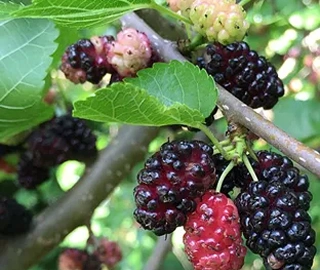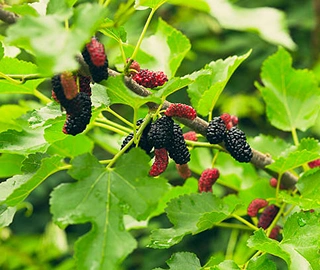

Black Mulberry Tree: The Ultimate Guide to Cultivating This Nutrient-Packed Superfruit in Your Garden
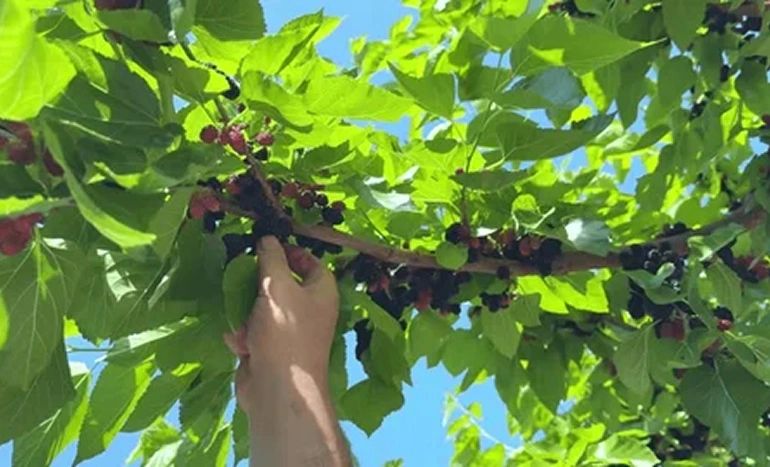
Aadusa Tree - Medicinal Plant

Black Mulberry Tree: The Ultimate Guide to Cultivating This Nutrient-Packed Superfruit

The Black Mulberry tree (Morus nigra) is a deciduous tree renowned for its dark, flavorful fruits and high nutritional value. Native to Western Asia and the Mediterranean, this tree has been cultivated for thousands of years, offering both aesthetic beauty and practical benefits.

In this guide, we explore the Black Mulberry’s nutritional advantages, historical significance, environmental impact, and practical tips for cultivation. We also highlight how organizations like Grow Billion Trees Partners are supporting sustainable growth of this remarkable species.

Nutritional Benefits

Black Mulberries are rich in vitamins, minerals, and antioxidants. A 100-gram serving of fresh berries provides:

  • Calories: 43
  • Carbohydrates: 9.8 g
  • Fiber: 1.7 g
  • Protein: 1.7 g
  • Fat: 0.4 g
  • Vitamin C: 36 mg (60% DV)
  • Vitamin K: 7.8 mcg (10% DV)
  • Iron: 1.85 mg (10% DV)
  • Calcium: 77 mg (8% DV)

The high antioxidant content, especially anthocyanins, helps combat oxidative stress and inflammation, supports heart health, boosts immunity, and enhances cognitive function.

Historical Significance

Black Mulberries have a rich historical legacy. They were cultivated in ancient Mesopotamia and used extensively in the silk industry, as their leaves feed silkworms. In ancient Rome, the tree was prized for both its fruit and medicinal properties, often planted in gardens for practical and aesthetic purposes.

Environmental Impact

Black Mulberry trees improve soil quality through deep root systems that prevent erosion, provide habitats for wildlife, and contribute to biodiversity. They also sequester carbon dioxide, playing a small but important role in combating climate change.

How to Grow Black Mulberry Trees

Choosing the Right Location

Black Mulberries thrive in full sun with well-drained soil. They tolerate a variety of soil types, including sandy and clay soils, but grow best in loamy soil enriched with organic matter.

Planting

  • Best Time: Spring or fall.
  • Prepare Soil: Ensure pH 6.0–7.5; amend with compost.
  • Dig Hole: Twice as wide and deep as root ball.
  • Plant: Position root collar level with soil surface and fill in.
  • Mulch: Apply around the base to retain moisture and reduce weeds.

Watering and Fertilizing

Water regularly, especially during the first year. Established trees are drought-tolerant but benefit from supplemental watering in dry periods. Fertilize in early spring using balanced or organic fertilizers like compost or well-rotted manure.

Pruning and Maintenance

Prune in late winter or early spring to remove dead, damaged, or crossing branches. Monitor for pests such as aphids and spider mites, and diseases like powdery mildew. Early detection and treatment are key to maintaining a healthy tree.

Harvesting

Black Mulberries ripen from late spring to early summer. Harvest when berries are deep purple to black and slightly soft. They can be eaten fresh, added to recipes, or preserved through freezing or canning.

Fun Facts About Black Mulberry

  • Can live over 100 years.
  • Leaves are edible and feed silkworms.
  • Used traditionally in jams, jellies, and wines.
  • Historically used in traditional medicine for respiratory and digestive ailments.

Grow Billion Trees Partners: Promoting Sustainability

Grow Billion Trees Partners supports sustainable cultivation of Black Mulberry by planting trees, educating communities, and fostering environmental stewardship. Their initiatives help combat deforestation, restore biodiversity, and empower local communities with tools and knowledge for sustainable practices.

Conclusion

The Black Mulberry tree is a nutrient-rich, historically significant, and environmentally beneficial addition to any garden. By cultivating and supporting these trees, you contribute to biodiversity, sustainable practices, and the beauty of your landscape.

Partnering with organizations like Grow Billion Trees Partners ensures that Black Mulberry trees continue to thrive, benefiting both communities and the environment for generations to come.

Aadusa Tree in Ayurvedic Medicine
Aadusa Tree Plantation

Black Mulberry Tree: Benefits, Cultivation, and Ecological Importance

The Black Mulberry tree (Morus nigra) is a nutrient-packed powerhouse known for its delicious dark fruits, long lifespan, and ecological benefits. Native to Western Asia and the Mediterranean, this tree has been cultivated for thousands of years, offering both historical and nutritional value.

In this guide, we cover the Black Mulberry’s health benefits, cultivation tips, historical significance, environmental impact, pest management, and the role of organizations like Grow Billion Trees Partners in promoting sustainable practices.

Nutritional Benefits

Black Mulberries are rich in vitamins, minerals, fiber, and antioxidants. Regular consumption can boost immunity, support heart health, and improve cognitive function. Eating these berries is a delicious way to nourish your body while enjoying a natural treat.

Cultivation Tips

Growing Black Mulberries is rewarding and relatively easy. They thrive in full sun and well-drained soil. Planting in loamy, nutrient-rich soil ensures optimal growth, while regular watering, mulching, and fertilization keep the tree healthy and productive.

Historical Significance

The Black Mulberry tree has a storied history dating back to ancient Mesopotamia. Valued as food for silkworms and for its medicinal uses, it was celebrated in Roman gardens and cultural myths, symbolizing both sustenance and tradition.

Environmental Benefits

Black Mulberries help prevent soil erosion, provide habitat for birds and insects, and sequester carbon dioxide. Planting them contributes to biodiversity and promotes a healthier environment, making you a tree-planting hero in your community.

Culinary Uses

Black Mulberries are versatile in the kitchen! Enjoy them fresh or in jams, jellies, smoothies, desserts, and even wines. Their rich flavor enhances any recipe while delivering powerful nutrients.

Pest Management

Regular monitoring for pests like aphids and spider mites keeps Black Mulberries thriving. Pruning and maintaining healthy foliage ensures the tree remains productive and vibrant, like giving it a mini spa day!

Harvesting

Berries ripen from late spring to early summer, turning dark purple or black. Harvest when slightly soft and enjoy fresh or preserved. Each pick is a sweet reward for your gardening efforts!

Longevity

Black Mulberry trees can live over 100 years, making them a long-term investment in your garden. With proper care, they provide generations of shade, fruit, and ecological benefits.

Grow Billion Trees Partners

Grow Billion Trees Partners promotes sustainable cultivation and reforestation of Black Mulberries. By educating communities, planting trees, and encouraging stewardship, they foster both ecological health and social engagement.

Maintenance

Keep your Black Mulberry tree healthy with regular pruning, watering, and fertilization. Removing dead branches and ensuring adequate nutrients ensures bountiful harvests and a stunning garden presence.

Varieties

Multiple Black Mulberry cultivars exist, each with unique flavors and growth characteristics. Exploring different varieties can enhance your garden and expand your culinary options.

Conclusion

The Black Mulberry tree is a nutrient-rich, historically significant, and environmentally beneficial addition to any garden. With proper care and community engagement, it provides delicious fruits, ecological value, and a legacy for future generations.

Partner with organizations like Grow Billion Trees Partners to support sustainable cultivation and ensure that the Black Mulberry thrives for years to come.

FAQs

What is the Black Mulberry tree?

The Black Mulberry tree (Morus nigra) is a deciduous delight from Western Asia and the Mediterranean, celebrated for its dark, juicy berries and rich historical significance. It’s a nutritional powerhouse that’s as beautiful as it is beneficial.

What nutrients do Black Mulberries offer?

Black Mulberries are loaded with vitamins C and K, iron, calcium, fiber, and antioxidants. These berries help fight oxidative stress, boost immunity, and support heart and brain health—all while tasting delicious!

How do I grow a Black Mulberry tree?

Choose a sunny spot with well-drained soil. Plant in spring or fall, water regularly, and enrich the soil with compost. With proper care, the tree will thrive and reward you with abundant, delicious berries.

When is the best time to plant Black Mulberry trees?

Spring or fall is ideal, allowing roots to establish before extreme weather. This timing sets the stage for a strong, productive tree that can flourish for decades.

How do I care for my Black Mulberry tree?

Water consistently, fertilize in early spring, and prune in late winter to maintain shape and health. Healthy trees produce the tastiest berries and look stunning in any garden!

What pests should I watch out for?

Keep an eye out for aphids and spider mites. Early detection and treatment, along with regular pruning, keep your tree healthy and productive.

How do I know when to harvest Black Mulberries?

Harvest when berries turn deep purple to black and feel slightly soft. Enjoy fresh or use in jams, jellies, smoothies, or desserts. Every harvest is a sweet reward!

What historical significance does the Black Mulberry tree have?

Dating back to ancient Mesopotamia, the Black Mulberry was essential for silkworm cultivation and admired in Roman gardens. Its leaves and fruits were valued for both food and medicinal uses, making it a historically important species.

How does the Black Mulberry tree benefit the environment?

Black Mulberries improve soil quality, prevent erosion, provide wildlife habitat, and absorb carbon dioxide. Planting them supports biodiversity and contributes to a healthier planet.

What are some fun facts about Black Mulberries?

The leaves are edible, the berries can be used for jams, wines, and desserts, and the tree can live over 100 years. It’s a versatile, long-lived superstar of the garden!

How does Grow Billion Trees Partners promote sustainability?

They plant trees like Black Mulberry, engage communities, and educate individuals about sustainable practices. Their work fosters biodiversity, combats deforestation, and empowers people to participate in environmental stewardship.

logo
back top