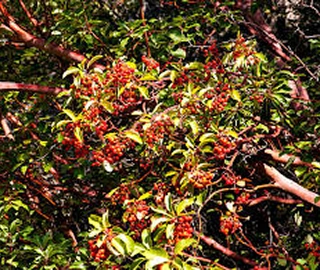


Indian Red Sandalwood Tree: Unlocking the Secrets of Nature's Most Valuable Treasure
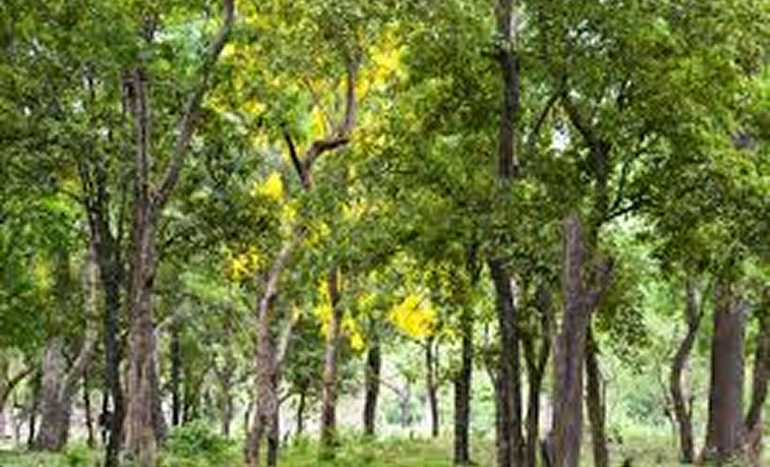
Indian Red Sandalwood Tree

The Indian Red Sandalwood Tree, scientifically known as Pterocarpus santalinus, is a species of tree native to the southern parts of India. Renowned for its rich, red heartwood, this tree has been valued for centuries not only for its aesthetic appeal but also for its numerous medicinal properties and cultural significance.

In this blog, we will delve deep into the secrets of this remarkable tree, exploring its historical significance, ecological impact, and the initiatives taken by organizations like Grow Billion Trees to promote its cultivation and conservation.

Historical Significance of Indian Red Sandalwood

The history of Indian Red Sandalwood dates back thousands of years. Ancient texts from India, including the Vedas and the Puranas, mention the use of sandalwood in religious rituals, traditional medicine, and as a valuable trade commodity.

The wood was highly sought after for its fragrance and was often used in the making of incense, perfumes, and traditional carvings. The demand for sandalwood peaked during the 19th century, leading to over-exploitation and illegal logging, which significantly reduced its population in the wild.

In addition to its use in religious and cultural practices, Indian Red Sandalwood has played a vital role in traditional medicine. Ayurvedic practitioners have long utilized the tree for its cooling properties, treating conditions such as fever, skin ailments, and digestive issues.

The essential oil extracted from the heartwood is known for its anti-inflammatory and antiseptic properties, making it a valuable ingredient in various herbal formulations.

Ecological Importance

The Indian Red Sandalwood Tree is not just a valuable resource; it also plays a crucial role in its ecosystem.

As a leguminous plant, it has the ability to fix nitrogen in the soil, enhancing soil fertility and promoting the growth of other plants in its vicinity. This characteristic makes it an essential species for reforestation projects, particularly in degraded areas where soil health is compromised.

Moreover, the tree provides habitat and food for various wildlife species. Birds, insects, and small mammals are known to thrive in areas where Indian Red Sandalwood trees are abundant.

The tree's flowers, which bloom in clusters, attract pollinators, while its foliage offers shelter and sustenance for numerous organisms, contributing to biodiversity conservation.

Scientific Data: Growth and Cultivation

Growing Indian Red Sandalwood requires specific climatic and soil conditions. The tree thrives in tropical and subtropical climates, preferring well-drained sandy or loamy soils with a pH range of 5.5 to 7.5. It can grow at elevations of up to 1,200 meters and requires a rainfall of about 800-1,200 mm annually.

The tree can reach a height of 10 to 15 meters and is characterized by its dense foliage and reddish-brown heartwood.

Propagation is usually done through seeds, which have a hard seed coat that requires scarification for germination. Once planted, the seedlings need to be nurtured for about 3 to 5 years before they can be harvested for their valuable wood.

The heartwood, which is the most prized part of the tree, develops as the tree matures, making it essential to allow sufficient time for growth before harvesting.

Environmental Impact of Over-Exploitation

The over-exploitation of Indian Red Sandalwood has led to significant environmental consequences. Deforestation and illegal logging have not only threatened the survival of this species but have also disrupted local ecosystems.

The loss of these trees has resulted in soil erosion, reduced biodiversity, and altered water cycles in affected regions. Furthermore, the decline in sandalwood populations has negatively impacted local communities that rely on this tree for their livelihoods, leading to economic instability.

Conservation efforts are crucial to ensure the survival of Indian Red Sandalwood. Sustainable harvesting practices, reforestation initiatives, and legal protections are necessary to prevent further decline.

Organizations like Grow Billion Trees are at the forefront of these efforts, working tirelessly to promote the cultivation of this valuable species while also educating communities about its ecological importance.

Grow Billion Trees: A Commitment to Conservation

Grow Billion Trees is an innovative organization dedicated to reforestation and environmental conservation. Their mission is to plant and nurture a billion trees globally, with a special focus on endangered species like the Indian Red Sandalwood.

Through partnerships with local communities, government agencies, and environmental organizations, Grow Billion Trees implements various projects aimed at promoting sustainable forestry practices and restoring degraded ecosystems.

The organization employs a multi-faceted approach to its initiatives. First, they conduct extensive research to identify suitable planting sites and assess local environmental conditions. This data-driven strategy ensures that the trees planted are well-suited to thrive in their new environment.

Additionally, Grow Billion Trees provides training and resources to local communities, empowering them to participate in reforestation efforts and manage their natural resources sustainably.

One of the key aspects of Grow Billion Trees' strategy is community engagement. By involving local populations in the planting and maintenance of Indian Red Sandalwood trees, the organization fosters a sense of ownership and responsibility towards the environment.

This collaborative approach not only enhances the success of reforestation projects but also creates economic opportunities for communities through sustainable harvesting practices.

Moreover, Grow Billion Trees actively promotes awareness about the ecological and economic importance of Indian Red Sandalwood.

Through workshops, educational programs, and community events, they strive to inform the public about the benefits of conserving this species and its role in maintaining healthy ecosystems. By raising awareness, they aim to cultivate a culture of conservation that extends beyond individual projects and into the broader community.

Fun Facts about Indian Red Sandalwood

  • Color Change: The heartwood of Indian Red Sandalwood is known for its striking reddish hue, which deepens with age, making it highly sought after for decorative purposes.
  • Fragrance: The wood emits a pleasant, sweet aroma, which is why it is often used in incense and perfumes, adding to its allure.
  • Cultural Significance: In traditional Indian culture, the wood is considered sacred and is used in religious ceremonies, symbolizing purity and spirituality.
  • Medicinal Uses: Beyond its aromatic properties, the essential oil derived from the wood is used in aromatherapy and is believed to have calming effects on the mind and body.
  • Endangered Status: Due to its high demand and over-exploitation, Indian Red Sandalwood is classified as a threatened species, prompting urgent conservation efforts.

The Future of Indian Red Sandalwood
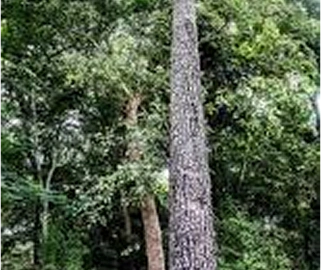
The future of the Indian Red Sandalwood Tree hinges on our collective efforts to ensure its conservation and sustainable use. With ongoing initiatives by organizations like Grow Billion Trees, there is hope for the restoration of this valuable species.

By promoting responsible harvesting practices, engaging communities, and raising awareness about the ecological importance of Indian Red Sandalwood, we can work towards a more sustainable future.

As consumers, we also play a vital role in the conservation of Indian Red Sandalwood. By choosing products made from sustainably sourced wood and supporting brands that prioritize environmental responsibility, we can contribute to the preservation of this precious resource.

Additionally, advocating for policies that protect endangered species and their habitats can help create a more sustainable framework for the future.

In conclusion, the Indian Red Sandalwood Tree is not just a valuable treasure of nature; it is a symbol of our responsibility to protect and preserve our natural heritage. Through collective action, education, and sustainable practices, we can unlock the secrets of this remarkable tree while ensuring its survival for generations to come.

Indian Cork Fig Fruits
Indian Cork Fig Tree

FAQ

What is the Indian Red Sandalwood Tree?

This beauty, scientifically named Pterocarpus santalinus, hails from southern India. Known for its rich, red heartwood, it's a superstar in aesthetics, traditional medicine, and cultural practices. Let's just say, if trees had a celebrity status, the Indian Red Sandalwood would be on the A-list!

01

Why is Indian Red Sandalwood historically significant?

This tree has been turning heads since ancient times! Mentioned in ancient texts like the Vedas, it's been a prized possession for rituals, perfumes, and carvings. The 19th century saw a sandalwood frenzy, leading to over-exploitation—talk about a dramatic rise and fall in the tree world!

02

What ecological role does Indian Red Sandalwood play?

This tree isn't just a pretty face; it's an ecosystem hero! As a legume, it fixes nitrogen in the soil, boosting fertility and supporting neighboring plants. Plus, it's a habitat and food source for wildlife. Who knew a tree could be such a generous host?

03

How does one grow Indian Red Sandalwood?

Growing this gem requires a bit of finesse! It loves tropical climates, well-drained soils, and a decent amount of rainfall. Patience is key, as seedlings take 3 to 5 years to mature before you can harvest that prized heartwood. Good things come to those who wait!

04

What are the consequences of over-exploitation?

Over-exploitation of Indian Red Sandalwood is like throwing a party and forgetting to invite the ecosystem! Deforestation and illegal logging disrupt habitats, lead to soil erosion, and harm local communities. It's a classic case of "what goes around, comes around," and the planet is feeling the hangover.

05

What is Grow Billion Trees doing for conservation?

Grow Billion Trees is on a mission to save the day—one tree at a time! This innovative organization focuses on reforestation, especially endangered species like Indian Red Sandalwood. By partnering with communities, they're not just planting trees; they're planting hope for a greener future!

06

How does Grow Billion Trees engage local communities?

Community engagement is at the heart of Grow Billion Trees' strategy! They empower locals to participate in planting and caring for Indian Red Sandalwood trees. It's a win-win: communities gain skills and economic opportunities while ensuring these trees thrive. Talk about teamwork making the dream work!

07

What fun facts should I know about Indian Red Sandalwood?

Prepare to be amazed! The heartwood's color deepens with age, and it emits a sweet fragrance—perfect for incense lovers. Culturally, it's sacred, symbolizing purity. Plus, its essential oil is a calming aromatherapy favorite. Who knew a tree could be so multi-talented?

08

Why is Indian Red Sandalwood classified as endangered?

This tree's popularity has turned it into a victim of its own charm! Over-exploitation for its heartwood has led to its endangered status. Urgent conservation efforts are a must to protect this precious resource. It's a classic case of "too much of a good thing" gone wrong!

09

How can I help conserve Indian Red Sandalwood?

You can be a conservation superhero! Support sustainably sourced products and brands that prioritize the environment. Advocate for policies protecting endangered species and their habitats. Every little action counts in the quest to save the Indian Red Sandalwood Tree—let's work together for a greener tomorrow!

10

What does the future hold for Indian Red Sandalwood?

The future is bright for Indian Red Sandalwood, thanks to collective conservation efforts! With organizations like Grow Billion Trees leading the charge, responsible harvesting practices and community engagement are paving the way for sustainability. Together, we can ensure this remarkable tree stands tall for generations to come!

11
logo
back top