


False Tamarind Tree
False Tamarind Tree: Unveiling the Mysteries and Benefits of This Unique Botanical Wonder
Scientific Classification and Characteristics
Fun Facts About False Tamarind
- The False Tamarind tree is often used in reforestation projects due to its rapid growth and ability to improve soil quality.
- It is known for its nitrogen-fixing capabilities, which enhance soil fertility and benefit surrounding plants.
- False Tamarind is often used as fodder for livestock, providing a nutritious food source.
- The wood of the False Tamarind is dense and durable, making it suitable for construction and furniture.
- In some cultures, the leaves and seeds are used in traditional medicine to treat various ailments.
Historical Context
Ecological Benefits
Environmental Impact
Tree Donate Partners: Executing and Promoting Projects
Challenges and Considerations
Conclusion
False Tamarind Benefits
Invasive Species Concerns
Agroforestry Applications
Ecological Importance
Historical Significance
Carbon Sequestration
Cultural Uses
Reforestation Efforts
Soil Erosion Control
Community Engagement
Educational Outreach
FAQ
What is the False Tamarind tree?
A botanical misnomer, the False Tamarind, or Leucaena leucocephala, isn’t a real tamarind but a fab legume superstar. Native to Central America, it’s a fast-growing tree that’s made a splash worldwide, bringing shade, soil improvement, and a touch of botanical intrigue wherever it goes.
01
Why is it called False Tamarind?
The name might be misleading, but fear not! It’s called False Tamarind because, despite its tamarind-like fruit, it belongs to the legume family, Fabaceae. Think of it as the tree that borrowed a cool name but decided to dance to its own botanical beat.
02
What are the ecological benefits of the False Tamarind?
This tree is like Mother Nature’s multitasker! With its nitrogen-fixing abilities, it enriches soil fertility, provides habitat for wildlife, and combats soil erosion. Plus, its flowers are a pollinator’s paradise. It’s basically the tree equivalent of a community center for environmental health!
03
How tall does the False Tamarind tree grow?
It’s a towering beauty! The False Tamarind can reach heights of 10 to 20 meters, boasting a broad canopy that offers ample shade. Perfect for those lazy afternoons or for farmers seeking a little shelter for their crops. Who wouldn’t want a tall friend like this?
04
Can the False Tamarind be used for reforestation?
Absolutely! This tree is a reforestation rockstar. Its rapid growth and soil-enhancing properties make it a go-to choice for restoring degraded landscapes. Planting a False Tamarind is like giving Mother Earth a much-needed hug while boosting biodiversity.
05
Is the False Tamarind tree invasive?
It can be! In some regions, this tree’s rapid growth and competitive nature have earned it the invasive species label. So, while it’s a great addition to some ecosystems, it’s essential to do your homework and ensure it plays nicely with the locals before planting.
06
What role does Tree Donate Partners play?
They’re the tree-planting superheroes! Tree Donate Partners is on a mission to plant one billion trees, including the False Tamarind. By collaborating with communities, they ensure sustainable practices and educate folks about the ecological benefits of trees. Talk about a green initiative!
07
How does the False Tamarind help combat climate change?
This tree is a carbon-absorbing champion! By sequestering CO2, the False Tamarind helps mitigate climate change impacts. It’s like having a natural air purifier that also improves soil health. Who knew trees could be such eco-warriors?
08
What are the traditional uses of the False Tamarind?
This tree isn’t just a pretty face! In some cultures, its leaves and seeds have been used in traditional medicine to treat various ailments. It’s a testament to the tree’s versatility, proving it’s as useful as it is beautiful.
09
Can False Tamarind be used as fodder?
You bet! Livestock love this tree as a nutritious food source. Its leaves are like a gourmet salad for herbivores, making it a win-win for farmers looking to boost their livestock’s diet while promoting sustainable practices.
10
What is the significance of the False Tamarind's flowers?
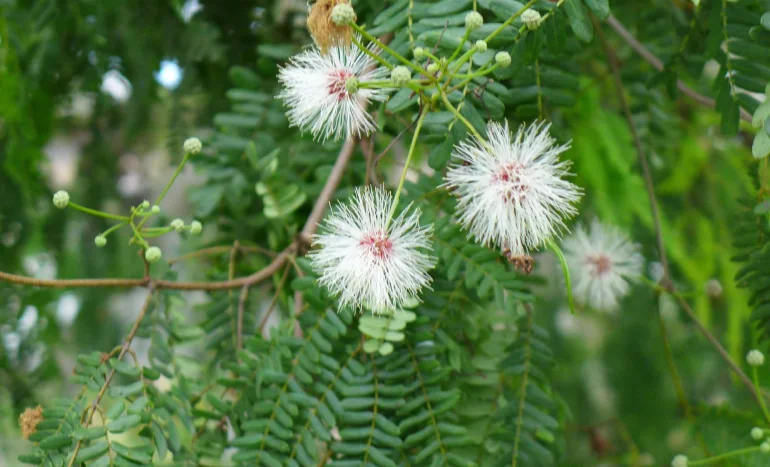
The flowers of the False Tamarind are like nature’s party invitations! They bloom in shades of white to cream, attracting bees, butterflies, and other pollinators. This floral fiesta not only supports biodiversity but also adds a touch of beauty to the landscape.
11
Your Suggestions
Leave your message and we'll get back to you shortly.