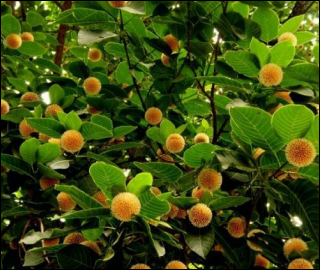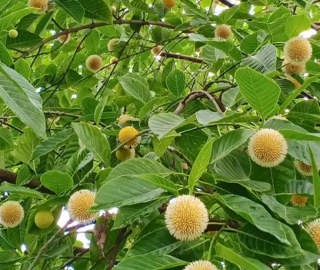

Shravani Tree: Exploring the Timeless Beauty and Remarkable Benefits of Natures Green Treasure
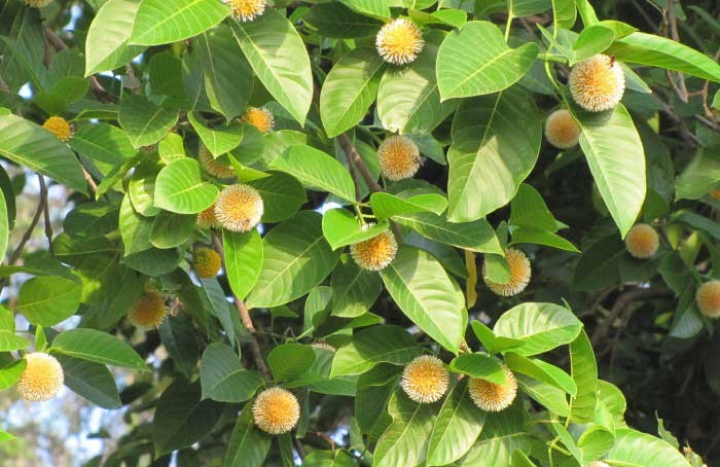
Aadusa Tree - Medicinal Plant

Shravani Tree: Exploring the Timeless Beauty and Remarkable Benefits

The Shravani Tree, also known as Grewia asiatica, may not be famous worldwide, but it is a gem in the world of nature. Native to the Indian subcontinent, this resilient tree provides ecological, medicinal, and cultural benefits that support communities and the environment alike.

Ecological Significance

Thriving in dry and semi-arid regions, the Shravani Tree stabilizes soil and prevents erosion. Its resilience helps protect against desertification, making it vital for preserving fragile ecosystems in arid zones.

Health Benefits

The small, dark purple fruits of the Shravani Tree are packed with vitamins, minerals, and antioxidants. They aid digestion, boost immunity, and provide natural healing benefits for local communities.

Cultural Significance

For centuries, the Shravani Tree has held a special place in Indian culture. Beyond its ecological and medicinal value, it symbolizes sustenance, tradition, and a deep connection to the land. Communities rely on its fruits and shade, making it a cultural treasure.

Sustainability and Green Solutions

With its low water requirements and adaptability, the Shravani Tree is ideal for reforestation projects and eco-friendly solutions, especially in arid regions. It contributes to sustainable land use and environmental resilience.

Role in Agroforestry

When planted alongside crops, the Shravani Tree improves soil health, enhances water retention, and provides shade, helping farmers increase crop yields and protect plants from extreme heat.

Bounty and Uses

The Shravani Tree offers more than shade. Its leaves and fruits are harvested for medicinal purposes, culinary uses like jams and juices, and other local applications, providing a rich bounty for communities.

Future Prospects

As the demand for sustainable and resilient plants grows globally, the Shravani Tree is positioned to play a crucial role in climate change mitigation and reforestation projects, showcasing its versatility and hardiness.

Global Relevance

While native to India, the benefits of the Shravani Tree extend worldwide. Its ecological, medicinal, and cultural contributions make it a valuable resource for future generations, supporting global sustainability initiatives.

Conclusion

The Shravani Tree is more than a plant; it’s a powerhouse of environmental, health, and cultural benefits. Embracing its potential supports greener landscapes, resilient ecosystems, and sustainable futures for communities and the planet.

Aadusa Tree Leaves - Medicinal Properties
Aadusa Tree Plantation

Shravani Tree: Nature’s Rapid-Growth Wonder and Eco-Friendly Gem

The Shravani Tree, also known as Grewia asiatica, thrives in well-drained soil and adapts to tropical and subtropical climates. Known for its rapid growth, ecological contributions, and cultural significance, this tree is a versatile addition to gardens, farms, and reforestation projects.

Shravani Tree Growth

The Shravani Tree grows rapidly under optimal conditions, providing quick shade and greenery. Its speed makes it ideal for gardeners and landscapers seeking instant environmental benefits.

Shravani Tree Benefits

This tree acts as a natural air conditioner, offering shade, absorbing carbon dioxide, and creating a habitat for local wildlife.

Shravani Tree Maintenance

Low-maintenance in nature, the Shravani Tree only requires occasional watering and pruning, making it easy to nurture and maintain.

Shravani Tree Varieties

From dwarf to tall varieties, the Shravani Tree is versatile and fits diverse landscaping needs, adding beauty and functionality to any space.

Shravani Tree Aesthetics

With lush green leaves and symmetrical branches, the Shravani Tree enhances garden aesthetics and creates picturesque landscapes all year round.

Shravani Tree Ecosystem

This tree provides shelter for birds and insects, supporting local biodiversity and contributing to ecosystem health.

Shravani Tree History

The Shravani Tree has long been valued in Indian culture and ecology, serving as a symbol of sustenance and environmental resilience over centuries.

Shravani Tree and Climate

Preferring warm climates, this tree thrives in tropical and subtropical regions, tolerating heat and contributing to climate adaptation strategies.

Shravani Tree and Soil Quality

The Shravani Tree prefers slightly acidic to neutral soils, demonstrating adaptability while benefiting from fertile conditions.

Shravani Tree Flowering

Seasonal blooms bring vibrant color and life to gardens, making the Shravani Tree a visually stunning and ecologically valuable addition.

Shravani Tree and Wildlife

Its branches and leaves provide food and perches for birds and insects, making it an integral part of local wildlife habitats.

Shravani Tree Care Tips

Regular watering, pruning, and monitoring for pests ensure a healthy, flourishing Shravani Tree. Consistent care keeps it vibrant and productive.

FAQs

What is the Shravani Tree and where does it thrive?

The Shravani Tree, or Grewia asiatica, is a fast-growing tree that thrives in well-drained soil with plenty of sunlight, ideal for tropical and subtropical climates.

1

How do I care for a Shravani Tree?

Water it regularly, keep the soil moist but not soggy, and prune occasionally to maintain shape. It’s a low-maintenance tree for easy gardening.

2

What is the best climate for a Shravani Tree?

Thrives in warm tropical and subtropical regions with plenty of sunlight and moderate humidity. Cooler zones may not be suitable.

3

Does the Shravani Tree flower?

Yes, it produces vibrant blooms that attract pollinators, adding color and ecological value to your garden.

4

Can the Shravani Tree grow in all types of soil?

It prefers slightly acidic to neutral, well-drained soil. While adaptable, it thrives best with good soil conditions.

5

What are the benefits of planting a Shravani Tree?

Provides shade, reduces carbon dioxide, promotes soil health, and offers habitat for birds and insects, contributing to biodiversity.

6

How long does it take for the Shravani Tree to grow?

It grows rapidly, reaching up to 10–15 feet in a few years, making it perfect for quick landscaping and instant shade.

7

Is the Shravani Tree easy to propagate?

Yes, it can be grown from seeds or cuttings, allowing easy expansion of your garden.

8

Can the Shravani Tree tolerate drought?

It prefers regular watering and moist soil, so while hardy, it is not fully drought-tolerant.

9

Are there any pests or diseases that affect the Shravani Tree?

Generally pest-resistant, it may attract aphids or scale insects occasionally. Regular pruning keeps it healthy.

10

How fast does the Shravani Tree provide shade?

Its rapid growth allows you to enjoy shade within a few years, acting as a natural air conditioner for your garden.

11
logo
back top