


Horse Chestnut Tree
Horse Chestnut Tree: Unveiling the Secrets of Nature's Majestic Beauty and Health Benefits
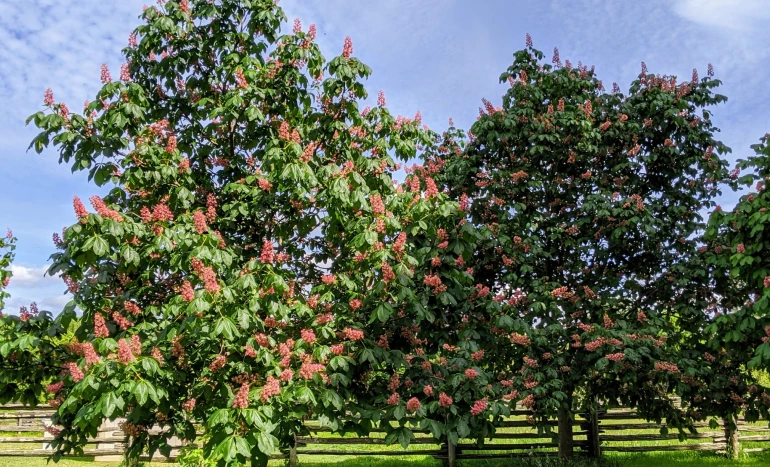
1. The Beauty of the Horse Chestnut Tree
2. Health Benefits of Horse Chestnut
3. Historical Significance
4. Environmental Impact
5. Tree Donate Partners and Their Mission
6. Fun Facts about Horse Chestnut Trees
7. Growing Horse Chestnut Trees
8. Conclusion
Horse Chestnut Tree
Health Benefits of Horse Chestnut
Historical Significance
Environmental Impact
Tree Donate Partners
Fun Facts about Horse Chestnut Trees
Growing Horse Chestnut Trees
Conclusion
FAQ
What is the Horse Chestnut Tree?
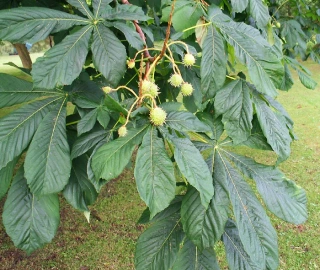
It's a magnificent tree, scientifically known as Aesculus hippocastanum, famous for its stunning white flowers in spring and large, palmate leaves. Not just a pretty face, it's also a powerhouse of health benefits and ecological importance.
01
What are the health benefits of Horse Chestnut?
This tree's seeds, bark, and leaves pack a punch! They help treat varicose veins, reduce hemorrhoids, and have anti-inflammatory properties. Plus, they can soothe skin irritations, making them a multi-tasking marvel in herbal medicine.
02
How did the Horse Chestnut Tree get its name?
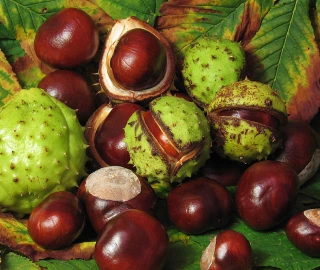
The name "Horse Chestnut" comes from the tree's seeds, which were once used as horse feed. Ironically, while safe for horses, the seeds are toxic to humans. So, no snacking on these conkers for us!
03
What is the historical significance of the Horse Chestnut Tree?
Introduced to Europe in the 16th century from the Balkan Peninsula, it quickly won hearts for its ornamental beauty. It has cultural ties, too, often symbolizing protection and good luck in folklore.
04
What role does the Horse Chestnut Tree play in the environment?
This tree is an ecological superstar! Its canopy provides shade and habitats for wildlife, while its flowers attract pollinators. Plus, it helps prevent soil erosion and improves air quality in urban areas.
05
What are some fun facts about Horse Chestnut Trees?
These trees can live over 300 years, produce spiky seed pods in autumn, and are the stars of the UK's traditional game "conkers." Their wood is also great for furniture, making them a versatile addition to any landscape.
06
How do I grow a Horse Chestnut Tree?
Start by choosing a sunny spot with well-drained soil. Plant seeds in fall or spring, keep the soil moist, and prune regularly. With a little TLC, you'll be the proud parent of a majestic tree in no time!
07
What is Tree Donate Partners?
This organization is on a mission to plant one billion trees globally, including Horse Chestnut trees. They engage communities, provide education, and promote conservation efforts to combat climate change. Talk about a green initiative!
08
What pests and diseases threaten the Horse Chestnut Tree?
Unfortunately, our beloved Horse Chestnut faces threats from pests like the Horse Chestnut leaf miner and diseases such as bleeding canker. These challenges highlight the need for conservation efforts to protect these majestic trees.
09
Can Horse Chestnut extracts be harmful?
While Horse Chestnut extracts offer health benefits, they should be used with caution. The raw seeds are toxic to humans, so always opt for processed extracts. Consult a healthcare professional before using them for medicinal purposes.
10
What is the best time to plant a Horse Chestnut Tree?
The ideal time to plant is either in the fall or spring when the soil is warm. This timing allows the tree to establish its roots before facing the heat of summer or the chill of winter.
11
Why should we conserve Horse Chestnut Trees?
Conserving Horse Chestnut trees is vital for preserving biodiversity, enhancing urban environments, and maintaining cultural heritage. By supporting reforestation initiatives, we ensure future generations can enjoy their beauty and benefits.
12
Your Suggestions
Leave your message and we'll get back to you shortly.