
Silver Birch Tree: Unveiling the Enchantment and Benefits of Nature's Graceful Wonder
Aadusa Tree - Medicinal Plant

Silver Birch Tree: Unveiling the Enchantment and Benefits of Nature's Wonder

Silver birch trees, scientifically known as Betula pendula, are graceful trees admired for their striking white bark, delicate leaves, and environmental importance. Native to Europe and parts of Asia, they enhance landscapes and support ecosystems.

Scientific Classification

Kingdom: Plantae
Clade: Angiosperms
Clade: Eudicots
Clade: Rosids
Order: Fagales
Family: Betulaceae
Genus: Betula
Species: B. pendula

Physical Characteristics

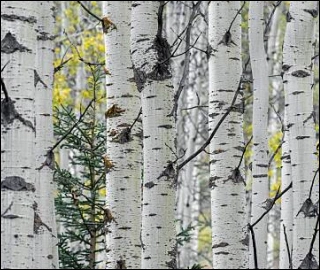
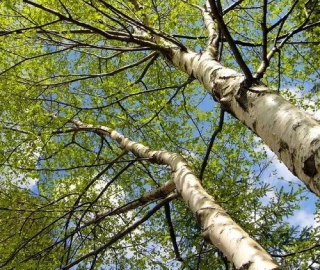
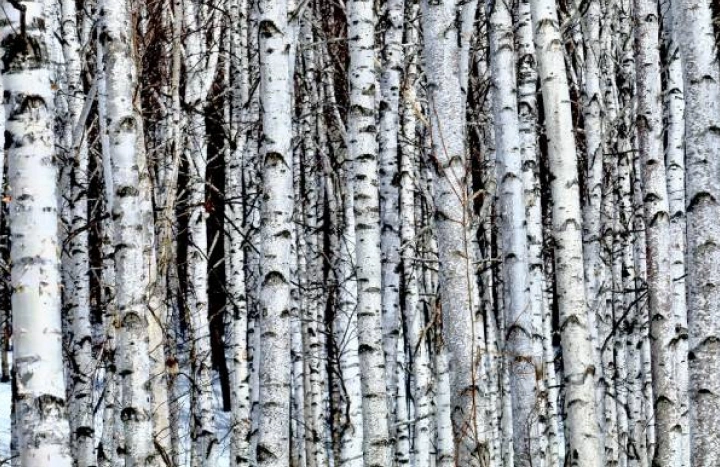
Silver birches can grow up to 30 meters tall and live 60–70 years or more. They feature white, papery bark that peels in layers and triangular leaves that turn bright yellow in autumn, adding seasonal beauty.

Ecological Benefits

Silver birches improve air quality, absorb carbon dioxide (around 22 kg/year per mature tree), stabilize soil, enrich it with nutrients, and provide habitat and food for birds, insects, and mammals.

Historical and Cultural Significance

Revered in Celtic mythology as symbols of renewal and new beginnings, silver birches have been used in traditional crafts, medicine, and tools. Their bark and sap hold both practical and cultural importance.

Environmental Impact and Conservation

Planting silver birches aids reforestation, mitigates deforestation effects, and enhances biodiversity. Organizations like Grow Billion Trees Partners are actively planting these trees, restoring ecosystems, and improving sustainability.

Community Engagement and Initiatives

Grow Billion Trees Partners engages communities through workshops, education programs, and volunteering, encouraging local participation in tree planting and ecosystem restoration.

Fun Facts

Silver birches are called the "Lady of the Woods" in folklore. Their bark has been used for canoes and baskets, and the sap has medicinal properties. They thrive even in poor soils, making them ideal for reforestation projects.

Conclusion

Silver birches are symbols of grace, resilience, and ecological importance. By planting and conserving these trees, we celebrate nature's beauty and ensure a greener, healthier planet for future generations.

Aadusa Tree Leaves - Medicinal Properties
Aadusa Tree Plantation

Silver Birch Tree: Nature’s Elegant Eco-Warrior

Silver birch trees are not just eye candy for nature lovers; they’re eco-warriors in disguise! With their impressive carbon sequestration abilities, these trees absorb around 22 kg of CO2 annually, making them key players in the battle against climate change. Fallen leaves enrich the soil, turning them into nature’s very own compost factories. Planting a silver birch is a step toward a greener planet.

Celtic Symbolism

This tree signifies fresh starts and new adventures. Whether planted at the start of the year or during a significant life event, the silver birch brings inspiration and magic to your surroundings.

Wildlife Haven

Silver birches are like five-star hotels for wildlife. Their nectar-rich flowers and nutritious seeds attract bees, birds, and other creatures, providing essential habitats and food sources that support ecosystem health.

Soil Stabilization

Robust root systems stabilize the soil, preventing erosion during heavy rains. Fallen leaves enhance soil fertility, making silver birches unsung heroes of land management and ecosystem resilience.

Historical Uses

Indigenous peoples used silver birch bark for crafting tools, canoes, and writing materials. Its sap, harvested in spring, has sweet taste and medicinal benefits, showing the tree’s multifunctional value.

Tree Planting Initiatives

Organizations like Grow Billion Trees Partners lead large-scale planting projects. Silver birches are ideal for reforestation due to their adaptability and ecological benefits, helping restore degraded landscapes.

Community Engagement

Local communities participate in planting and maintaining silver birches. Workshops and educational programs foster connection to nature, promoting sustainable practices and environmental responsibility.

Environmental Awareness

Advocacy campaigns highlight the importance of trees in combating climate change. Social media, events, and community programs encourage more people to plant and care for silver birches.

Seasonal Beauty

Silver birches offer visual delight throughout the year: brilliant yellow leaves in fall, white bark year-round. They enhance landscapes with elegance and charm.

Adaptability

Thriving in diverse soil types, from sandy to clay, silver birches are resilient and ideal for reforestation. They flourish in challenging environments, adding ecological and aesthetic value.

Cultural Significance

Celebrated for femininity and grace, silver birches are featured in folklore, art, and literature. Planting one connects you to history and tradition.

Climate Change Mitigation

By absorbing CO2 and improving air quality, silver birches actively contribute to fighting global warming. Planting them helps build a healthier, greener planet.

FAQs

What are silver birch trees?

Silver birch trees, or Betula pendula, are elegant showstoppers with striking white bark and delicate green leaves. Native to Europe and Asia, they can grow up to 30 meters tall and live for 60 to 70 years, adding charm to any landscape.

1

What ecological benefits do silver birch trees provide?

They absorb carbon dioxide, enrich the soil as their leaves decompose, provide habitats for wildlife, and filter pollutants from the air, making them vital for a cleaner, greener planet.

2

How do silver birch trees contribute to carbon sequestration?

Silver birches absorb about 22 kg of CO2 per year, acting as natural carbon vacuums and playing a significant role in combating climate change.

3

What historical significance do silver birch trees hold?

In Celtic mythology, silver birches symbolize renewal and new beginnings. Indigenous peoples used their bark for tools and crafts, highlighting their cultural and practical importance.

4

How can I get involved in tree planting initiatives?

Join local tree planting events, donate to organizations like Grow Billion Trees Partners, or plant silver birches in your garden to support sustainability.

5

What makes silver birch trees ideal for reforestation?

They thrive in poor soil conditions, adapt quickly, and provide ecological benefits that enhance biodiversity, making them perfect for restoring degraded ecosystems.

6

How do silver birch trees improve air quality?

They filter dust and pollutants from the air, providing fresher, cleaner air for surrounding environments and communities.

7

What unique features do silver birch trees possess?

They have striking white, papery bark and triangular leaves that turn bright yellow in autumn, creating a seasonal spectacle and adding elegance to any landscape.

8

What role do organizations like Grow Billion Trees Partners play?

They engage communities, collaborate with governments, and run awareness campaigns to promote tree planting, restoring ecosystems and enhancing biodiversity.

9

What are some fun facts about silver birch trees?

Their bark has been used for canoes, baskets, and writing material. Their sap is a sweet treat used in traditional medicine, showcasing their multifunctional value beyond beauty.

10

How do silver birch trees support wildlife?

They provide food and habitat for birds, insects, and other creatures. Nectar-rich flowers and seed-filled cones attract pollinators and nourish local fauna.

11
logo
back top