

Japanese Cherry Tree: Discover the Enchanting Beauty and Cultural Significance of Sakura Blossoms
Japanese Cherry Tree

Japanese Cherry Trees, known as Sakura, are more than just a beautiful sight; they are a symbol of Japan's rich culture, history, and natural beauty. Each spring, millions of people flock to parks and gardens to witness the breathtaking spectacle of cherry blossoms in full bloom.

The Beauty of Sakura Blossoms

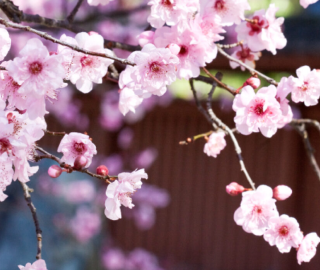
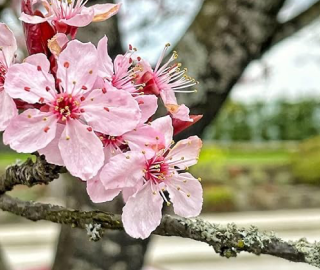
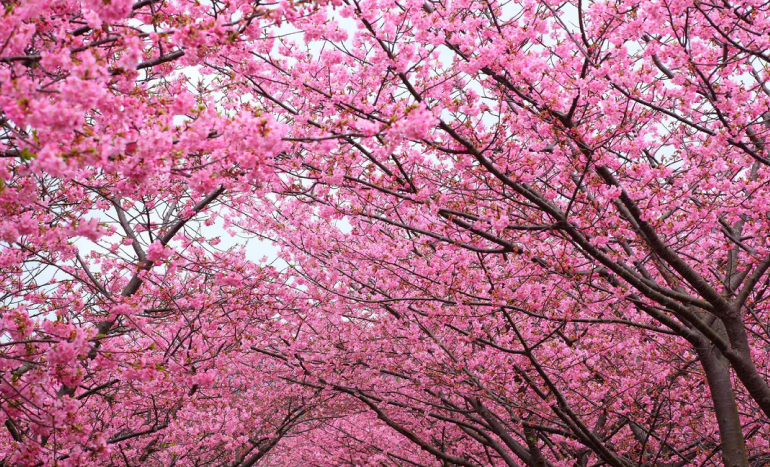
Sakura blossoms are renowned for their delicate pink and white flowers that blanket the trees, creating a stunning visual display. The blooming period typically occurs from late March to early April, depending on the region and climate conditions. The ephemeral beauty of these blossoms, which lasts only a week or two, evokes a sense of transience and appreciation for the fleeting nature of life—a central theme in Japanese philosophy.

There are over 200 varieties of cherry trees in Japan, but the most celebrated is the Prunus serrulata, commonly known as the Japanese Cherry or Sakura. These trees can grow up to 25 feet tall and are characterized by their broad canopies and stunning clusters of flowers. The blossoms are not only visually captivating but also emit a sweet fragrance that enhances their allure.

Cultural Significance of Sakura

The cultural significance of Sakura in Japan cannot be overstated. The cherry blossom has been a symbol of renewal and the transient nature of life for centuries. Hanami, or flower viewing, is a traditional Japanese custom where people gather under blooming cherry trees to appreciate their beauty. This practice dates back to the Nara period (710-794 AD) and has evolved into a nationwide celebration, attracting locals and tourists alike.

Sakura also holds a prominent place in Japanese art, literature, and poetry. Famous poets like Matsuo Bashō have immortalized the beauty of cherry blossoms in their works, reflecting the deep emotional connection that the Japanese have with these flowers. Additionally, Sakura is often featured in traditional Japanese paintings, textiles, and ceramics, symbolizing beauty, fragility, and the fleeting moments of life.

Moreover, the cherry blossom has become a symbol of peace and friendship. In 1912, Japan gifted 3,000 cherry trees to Washington, D.C., as a gesture of goodwill. This act of diplomacy has led to the annual National Cherry Blossom Festival, celebrating the bond between the United States and Japan and attracting millions of visitors each year.

Scientific Insights

From a botanical perspective, Sakura trees are fascinating. They belong to the Rosaceae family, which includes other fruit-bearing trees such as apples and peaches. The trees thrive in temperate climates and prefer well-drained soil, full sun, and adequate moisture. The blooming of Sakura is influenced by various environmental factors, including temperature, sunlight, and rainfall.

Research has shown that climate change significantly impacts the blooming patterns of cherry blossoms. A study conducted by the Japan Meteorological Corporation indicated that the average blooming date has shifted earlier by about five days over the past century due to rising temperatures. This shift not only affects the timing of Hanami celebrations but also poses challenges for the ecosystem and biodiversity surrounding these trees.

Environmental Impact

The cultivation and preservation of Sakura trees contribute positively to the environment. Cherry trees play a crucial role in supporting local ecosystems. They provide habitat and food for various wildlife, including birds, insects, and small mammals. The blossoms attract pollinators, such as bees and butterflies, which are essential for maintaining biodiversity.

Moreover, cherry trees help improve air quality by absorbing carbon dioxide and releasing oxygen. They also reduce urban heat, making cities more livable. Planting cherry trees in urban areas can enhance the aesthetic appeal of neighborhoods and parks, promoting mental well-being among residents.

However, the preservation of Sakura trees faces challenges due to urbanization, climate change, and pests. Initiatives to plant and care for cherry trees are crucial to ensure their survival for future generations. This is where organizations like Grow Billion Trees Partners step in.

Grow Billion Trees Partners: A Commitment to Sustainability

Grow Billion Trees Partners is a global initiative dedicated to reforestation and environmental sustainability. Their mission is to plant one billion trees worldwide, and they have recognized the importance of cherry trees in their projects. The organization collaborates with local communities, governments, and environmental organizations to promote the planting and care of Sakura trees in Japan and beyond.

Through educational programs and community engagement, Grow Billion Trees Partners raises awareness about the ecological benefits of cherry trees. They provide resources and support for local communities to plant and maintain these trees, ensuring that the cultural and environmental significance of Sakura is preserved.

In addition to planting trees, Grow Billion Trees Partners focuses on sustainable practices, such as using native species and promoting biodiversity. Their efforts not only contribute to the restoration of ecosystems but also create green spaces that enhance the quality of life for residents.

Fun Facts About Sakura

• Hanami Parties: During the cherry blossom season, it's common for families and friends to gather for picnics under the blooming trees, enjoying food and drinks while celebrating the beauty of nature.
• Cherry Blossom Forecast: In Japan, the blooming of cherry blossoms is closely monitored, and forecasts are provided to inform the public about the best times for Hanami viewing.
• Symbol of Resilience: The cherry blossom symbolizes resilience and hope, as it blooms beautifully even in the harshest conditions, reminding us to appreciate life's beauty despite challenges.
• Cherry Blossom Festivals: Various festivals celebrate cherry blossoms across Japan, featuring traditional music, dance, and food stalls, attracting thousands of visitors each year.
• Different Varieties: While the pink and white blossoms are the most recognized, there are many varieties of cherry trees, some with unique colors and shapes, adding to the diversity of Sakura.

Conclusion

The Japanese Cherry Tree, or Sakura, is a remarkable symbol of beauty, culture, and environmental significance. Its enchanting blossoms have inspired countless generations and continue to attract people from all walks of life. As we celebrate the beauty of Sakura, it is essential to recognize the importance of preserving these trees and their ecosystems for future generations.

Organizations like Grow Billion Trees Partners play a vital role in this endeavor, promoting sustainable practices and community engagement in tree planting initiatives. By supporting such initiatives, we can ensure that the enchanting beauty of cherry blossoms continues to grace our landscapes, reminding us of the delicate balance between nature and humanity.

As you plan your next visit to witness the breathtaking beauty of Sakura blossoms, remember their rich cultural history and the efforts being made to preserve them. Whether you participate in Hanami, explore cherry blossom festivals, or contribute to tree planting initiatives, you become part of a collective effort to honor and protect these magnificent trees.

Indian Cork Fig Fruits
Indian Cork Fig Tree

FAQ

What are Japanese Cherry Trees, or Sakura?

Japanese Cherry Trees, known as Sakura, are stunning trees celebrated for their delicate pink and white blossoms. They symbolize Japan's rich culture and the fleeting beauty of life, attracting millions during their brief blooming period each spring.

01

When do Sakura blossoms bloom?

Sakura blossoms typically bloom from late March to early April, depending on the region. This ephemeral beauty lasts only a week or two, making it a cherished spectacle that inspires awe and reflection on life's transience.

02

What is Hanami?

Hanami is the delightful Japanese tradition of flower viewing, where people gather under blooming cherry trees to appreciate their beauty. This custom dates back to the Nara period and has evolved into festive celebrations, complete with picnics and merriment, embodying the spirit of spring.

03

Why are Sakura blossoms culturally significant?

Sakura blossoms hold immense cultural significance in Japan, symbolizing renewal and the transient nature of life. They inspire art, literature, and poetry, and have become a symbol of peace, particularly through Japan's gift of cherry trees to Washington, D.C., fostering international friendship.

04

How do cherry trees impact the environment?

Cherry trees play a vital role in supporting local ecosystems, providing habitats for wildlife and attracting essential pollinators like bees and butterflies. They also improve air quality and mitigate urban heat, making our cities greener and more livable.

05

What challenges do Sakura trees face?

Sakura trees face challenges from urbanization, climate change, and pests, jeopardizing their survival. These threats highlight the importance of conservation efforts to ensure future generations can experience the beauty and ecological benefits of these iconic trees.

06

How does climate change affect Sakura?

Climate change has shifted the blooming patterns of Sakura, causing blossoms to bloom earlier by about five days over the past century. This shift disrupts traditional Hanami celebrations and poses challenges for local ecosystems, making awareness and action crucial.

07

What is Grow Billion Trees Partners?

Grow Billion Trees Partners is a global initiative focused on reforestation and sustainability, aiming to plant one billion trees worldwide. They recognize the importance of cherry trees and collaborate with communities to promote planting and care for Sakura, ensuring their cultural and environmental significance endures.

08

How can I participate in Hanami?

To participate in Hanami, simply gather your friends and family under blooming cherry trees, pack a delightful picnic, and enjoy the fleeting beauty of Sakura. Celebrate nature's wonders while reflecting on life's transience—just don't forget the snacks!

09

What are some fun facts about Sakura?

Sakura blossoms are not just pretty; they inspire vibrant festivals, picnics, and even cherry blossom forecasts in Japan! With over 200 varieties, each tree offers unique colors and shapes, making every spring a delightful surprise for nature lovers.

10

Why should we preserve Sakura trees?

Preserving Sakura trees is essential for maintaining biodiversity, cultural heritage, and environmental health. By supporting conservation efforts, we ensure that future generations can enjoy the enchanting beauty of cherry blossoms while cherishing the delicate balance between humanity and nature.

11
logo
back top