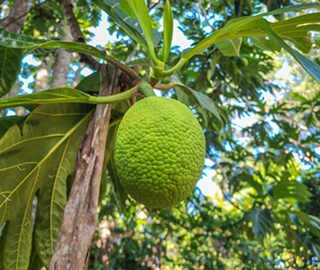

Breadfruit Tree: The Ultimate Guide to Cultivating Nature's Superfood for Your Garden
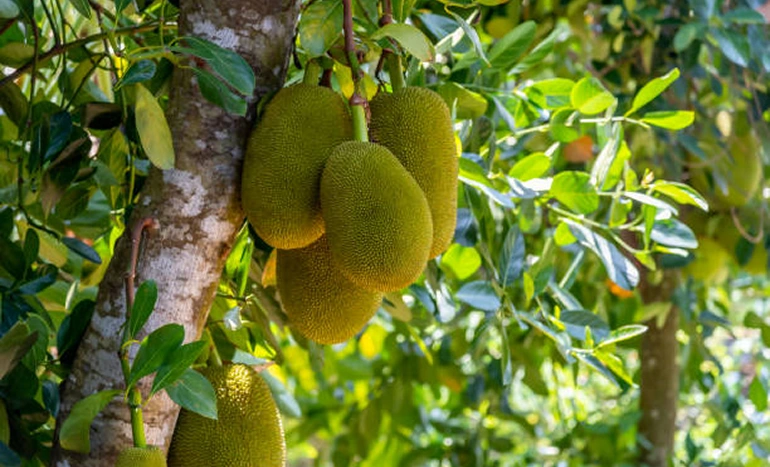
Aadusa Tree - Medicinal Plant

Breadfruit Tree: The Ultimate Guide to Nature's Superfood

The Breadfruit tree (Artocarpus altilis) is a tropical superfood known for its nutritional value, versatility, and environmental benefits. Native to tropical regions, it plays a crucial role in sustainable agriculture, food security, and biodiversity.

1. Understanding the Breadfruit Tree

  • Family: Moraceae
  • Height: Can grow up to 85 feet (~26 meters)
  • Leaves: Large, lobed, up to 3 feet long
  • Fruit: Green, spiky, weighing 1–10 pounds, staple food in tropical regions

2. Nutritional Profile

  • Calories: 102 per 100 grams (cooked)
  • Carbohydrates: 27 g
  • Protein: 2.4 g
  • Fat: 0.6 g
  • Fiber: 3 g
  • Vitamin C: 23% DV
  • Potassium: 14% DV
  • Magnesium: 11% DV

3. Historical Significance

Originating in the Indo-Malay region, breadfruit was cultivated by ancient Polynesians as a staple food. In 1789, Captain William Bligh transported it from Tahiti to the Caribbean to provide food for enslaved Africans, famously linked to the “Mutiny on the Bounty.”

4. Environmental Impact

  • Thrives in poor soil and requires minimal water.
  • Extensive root system prevents soil erosion.
  • Large canopy provides shade and habitat for wildlife.
  • Sequesters carbon dioxide, aiding climate change mitigation.

5. Cultivation Guide

  1. Location: Full sun, well-drained soil, protected from strong winds.
  2. Soil Preparation: pH 6.0–7.0; amend with compost or well-rotted manure.
  3. Propagation: Seeds (soaked 24h) or vegetative grafting onto rootstock.
  4. Planting: Hole twice the size of root ball, top level with soil surface, water thoroughly, mulch.
  5. Watering & Fertilization: Keep moist during early growth; fertilize biannually with balanced fertilizer.
  6. Pruning & Maintenance: Shape tree, remove dead/diseased branches, thin overcrowded areas, monitor pests.
  7. Harvesting: Typically 3–5 years; harvest firm, green fruits; store at room temperature until ripe.

6. Fun Facts

  • Can be boiled, baked, fried, or roasted, similar to potatoes.
  • Sometimes called “jackfruit’s cousin” due to family lineage.
  • Used in traditional medicine for anti-inflammatory and antioxidant properties.
  • Symbol of prosperity in some Pacific Island cultures and ceremonial feasts.

7. Grow Billion Trees: Partnering for Sustainability

Organizations like Grow Billion Trees support sustainable agriculture and reforestation projects, providing communities with training, seedlings, and best practices for cultivating breadfruit. These efforts help maximize environmental and economic benefits while ensuring long-term food security.

8. Conclusion

The breadfruit tree is a superfood, environmental ally, and cultural icon. By cultivating it responsibly and supporting reforestation initiatives, we can ensure a sustainable future for both people and the planet.

Aadusa Tree Leaves - Medicinal Properties
Aadusa Tree Environmental Benefits

Breadfruit Tree: Nature’s Superfood and Sustainability Champion

The breadfruit tree (Artocarpus altilis) is a tropical marvel, valued for its nutrient-rich fruits, environmental benefits, and cultural significance. Native to the Indo-Malay region, it can grow up to 85 feet tall with large, sunshade-like leaves, making it a striking addition to any garden.

Nutritional Benefits

  • Rich in carbohydrates, fiber, vitamins, and minerals.
  • Provides 102 calories, 27 g carbohydrates, 2.4 g protein, 0.6 g fat, 3 g fiber per 100 g serving (cooked).
  • High in Vitamin C (23% DV), Potassium (14% DV), and Magnesium (11% DV).
  • Perfect for health-conscious diets while being flavorful and versatile.

Cultivation Tips

  • Plant in full sun with well-drained soil and ample space for growth.
  • Ensure soil pH between 6.0–7.0 and amend with compost for fertility.
  • Water regularly during early growth; established trees are drought-tolerant.
  • Prune dead or overcrowded branches to maintain tree shape and improve fruiting.

Propagation Techniques

  • Seeds: Soak for 24 hours before planting for higher germination rates.
  • Vegetative cuttings: Select healthy branches and graft onto rootstock.
  • Both methods allow gardeners to expand their breadfruit groves efficiently.

Pest Management

  • Regularly inspect trees for pests and remove affected areas.
  • Encourage good air circulation and use organic pest control methods.
  • Proactive care ensures healthy growth and abundant fruiting.

Culinary Uses

  • Can be boiled, baked, fried, or roasted; versatile like potatoes.
  • Used in mash, chips, curries, and other dishes across tropical cuisines.
  • Popular worldwide—from Hawaii’s “ulu” to Caribbean fried delicacies.

Environmental Benefits

  • Sequesters carbon dioxide, contributing to climate change mitigation.
  • Provides habitat for wildlife and improves soil health.
  • Prevents soil erosion with its extensive root system.

Cultural Significance

Breadfruit has played an important role in Polynesian traditions and Caribbean history, symbolizing prosperity and sustainability. Its introduction across continents highlights its importance in global food security and cultural heritage.

Grow Billion Trees Initiative

Organizations like Grow Billion Trees promote sustainable cultivation, providing education, seedlings, and community support. These initiatives ensure environmental, economic, and social benefits while preserving the breadfruit tree for future generations.

Fun Facts

  • Can produce up to 200 fruits per year.
  • Gluten-free and sometimes called “the tree of life” in cultural contexts.
  • Durable wood suitable for furniture and construction.
  • A vital superfood with a rich history and ecological importance.

FAQs

What is a breadfruit tree?

The breadfruit tree (Artocarpus altilis) is a tropical wonder that can grow up to 85 feet tall, boasting large lobed leaves and nutrient-rich fruits. Nature's superfood for gardens and culinary adventures!

How do I grow a breadfruit tree?

Choose a sunny spot with well-drained soil, plant seeds or cuttings, and give them space to grow. Water regularly during early years and care for them like a tropical superstar!

What are the nutritional benefits of breadfruit?

Packed with carbohydrates, fiber, vitamins, and minerals, a 100-gram serving provides 102 calories and a wealth of nutrients, making it a delicious and healthy superfood.

What historical significance does breadfruit have?

Originating in Polynesia, breadfruit was famously introduced to the Caribbean by Captain Bligh on the HMS Bounty. It’s celebrated in cultures worldwide, from Hawaii’s “ulu” to Jamaica’s roasted delights.

How do I propagate a breadfruit tree?

You can propagate using seeds or vegetative cuttings. Soak seeds for better germination or use healthy cuttings. Plant in well-drained soil, and soon you’ll have your own tropical treasure!

What pests should I watch out for?

Pests like fruit flies and scales can affect breadfruit trees. Regular inspections and organic pest control methods help keep your tree healthy and thriving.

How does breadfruit contribute to the environment?

Breadfruit trees absorb carbon dioxide, support biodiversity, prevent soil erosion, and enrich the soil with fallen leaves. They are true eco-warriors in your garden!

What are some culinary uses for breadfruit?

Breadfruit can be roasted, mashed, fried into chips, or added to curries. Its versatility makes it a global culinary superstar.

What is the Grow Billion Trees initiative?

Grow Billion Trees promotes tree planting, including breadfruit, to enhance food security and restore the environment. They engage communities with education and resources to create a greener planet.

How much fruit can a breadfruit tree produce?

A breadfruit tree can produce up to 200 fruits per year, offering a bountiful harvest for culinary and nutritional use.

Is breadfruit gluten-free?

Yes! Breadfruit is naturally gluten-free, making it a delicious and safe option for those with gluten sensitivities.

logo
back top