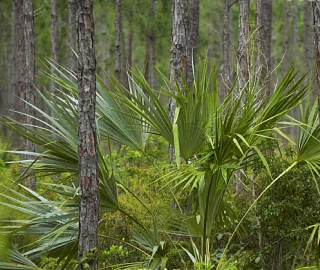


Caribbean Pine Tree: The Unsung Hero of Tropical Ecosystems and Sustainable Forestry
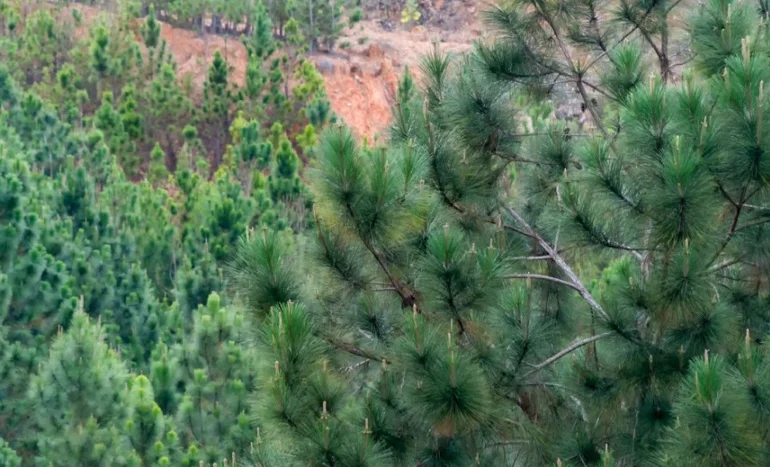
Caribbean Pine Tree - Tropical Ecosystem Hero

The Caribbean Pine Tree (Pinus caribaea) stands as a testament to the resilience and beauty of tropical ecosystems. Often overshadowed by more flamboyant flora and fauna, this evergreen tree plays a crucial role in maintaining the ecological balance of the Caribbean region and supporting sustainable forestry practices.

Botanical Profile of the Caribbean Pine Tree

  • Scientific Name: Pinus caribaea
  • Family: Pinaceae
  • Native Region: Caribbean islands and Central America
  • Common Names: Caribbean Pine, Caribbean Pitch Pine

Understanding the Caribbean Pine Tree

The Caribbean Pine Tree thrives in sandy soils and coastal environments, reaching heights of up to 30 meters (approximately 98 feet) and living for over 100 years. Its adaptability to poor soil conditions makes it a vital species for reforestation projects, as it can stabilize the soil and prevent erosion.

Scientific Significance

As a member of the Pinaceae family, the Caribbean Pine Tree is related to other economically important species. Its wood is highly valued for strength and durability, with a density of around 400-500 kg/m³, making it suitable for construction, furniture-making, and paper production.

  • Wood Quality: High density and durability for various applications
  • Resin Production: Used in turpentine and rosin manufacturing
  • Carbon Sequestration: Significant CO2 absorption capabilities
  • Economic Value: Important timber and resin source

Historical Context

The Caribbean Pine Tree has a rich history intertwined with Caribbean cultural heritage. Indigenous peoples used the wood for constructing canoes, homes, and tools. European settlers in the 15th century increased demand for its timber, leading to extensive logging that threatened populations.

In the 20th century, conservation efforts began to take shape, with reforestation programs initiated to restore degraded lands and promote sustainable forestry practices. The tree has become a symbol of resilience and recovery in the region.

Environmental Impact

The Caribbean Pine Tree is a keystone species in its ecosystem, providing habitat and food for a variety of wildlife. Its extensive root system helps anchor the soil, reducing the impact of heavy rains and wind, which is particularly important in hurricane-prone Caribbean regions.

  • Soil Stabilization: Prevents erosion in sandy and coastal areas
  • Wildlife Habitat: Supports birds, insects, reptiles, and mammals
  • Biodiversity Support: Hosts endemic species found nowhere else
  • Storm Protection: Reduces landscape damage from tropical storms

Fun Facts About the Caribbean Pine Tree

  • Distinctive Cones: Known for its "pineapple" cones up to 15 cm long
  • Rapid Regeneration: Quick recovery after disturbances
  • Fire Resistance: Unique bark properties help survive wildfires
  • Endemic Host: Supports species found only in Caribbean ecosystems
  • Longevity: Can live for over 100 years in optimal conditions

How Grow Billion Trees Promotes Caribbean Pine Tree Plantations

Organizations like Grow Billion Trees Partners recognize the importance of the Caribbean Pine Tree in promoting sustainable living and environmental conservation. Their mission focuses on reforesting degraded lands and enhancing biodiversity in the Caribbean region.

  • Community Engagement: Involving locals in planting and maintenance
  • Training Programs: Education about reforestation and sustainable practices
  • Research and Monitoring: Scientific assessment of ecosystem health
  • Advocacy and Education: Workshops and seminars on ecological significance
  • Sustainable Livelihoods: Creating economic opportunities through forestry

Challenges and Future Prospects

Despite its benefits, the Caribbean Pine Tree faces challenges from deforestation, climate change, and invasive species. The increasing frequency of hurricanes and tropical storms due to climate change poses significant risks to Caribbean Pine forests.

However, with continued efforts from organizations like Grow Billion Trees Partners focusing on sustainable practices and community involvement, the future looks promising for this resilient species and the ecosystems it supports.

Why Plant a Caribbean Pine Tree?

  • Ecological Benefits: Soil stabilization and erosion prevention
  • Climate Action: Significant carbon sequestration capabilities
  • Biodiversity Support: Habitat for endemic wildlife species
  • Economic Value: Sustainable timber and resin production
  • Cultural Heritage: Connection to Caribbean history and traditions

Final Thought
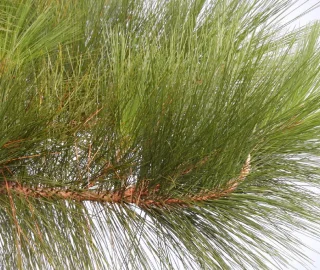
The Caribbean Pine Tree is indeed an unsung hero of tropical ecosystems, playing a crucial role in maintaining biodiversity, preventing soil erosion, and contributing to sustainable living. Its historical significance, coupled with its ecological and economic benefits, makes it a vital species in the Caribbean region. By supporting reforestation initiatives and promoting sustainable practices, we can ensure that the Caribbean Pine Tree continues to thrive for generations to come.

Caribbean Pine Tree Forest
Caribbean Pine Wood Uses

Caribbean Pine Benefits

The Caribbean Pine Tree isn't just a pretty face in the tropical landscape; it's a powerhouse of ecological benefits! With its impressive ability to prevent soil erosion and stabilize sandy soils, this tree acts like nature's own bouncer, keeping the ecosystem in check. Plus, its wood is a favorite in construction and furniture-making, proving that it's not just about looks—it's got the strength to back it up!

Reforestation Efforts

Forget the boring old reforestation projects; the Caribbean Pine Tree is the star of the show! Organizations like Grow Billion Trees Partners are making it their mission to plant these beauties and restore degraded lands. With community involvement and a sprinkle of science, they're turning the tide on deforestation and creating greener, happier ecosystems. Who knew saving the planet could be so stylish?

Wildlife Habitat

The Caribbean Pine Tree is like a five-star hotel for wildlife! From the Black-crowned Night Heron to the Caribbean Parrot, this tree provides shelter and food for a variety of critters. It's the ultimate hangout spot for birds and insects alike, making it a vital player in maintaining biodiversity. So next time you see a Caribbean Pine, remember it's not just a tree; it's a wildlife sanctuary!

Economic Importance

The Caribbean Pine Tree isn't just a pretty sight; it's also an economic superstar! Its wood is highly sought after for construction, furniture, and paper production. With a density that makes it tough as nails, this tree is the go-to choice for builders and artisans alike. Plus, its resin is used for turpentine and rosin, proving that this tree knows how to bring home the bacon!

Climate Change Warrior

Move over superheroes; the Caribbean Pine Tree is here to save the day! With its remarkable ability to sequester carbon dioxide, this tree plays a crucial role in combating climate change. By absorbing CO2 from the atmosphere, it helps mitigate the effects of global warming, making it an unsung hero in the fight for a healthier planet. Who knew a tree could be such a climate champion?

Cultural Significance

The Caribbean Pine Tree has a rich cultural history that's as vibrant as the islands themselves! Indigenous peoples have long relied on its wood for crafting canoes and tools, while European settlers couldn't get enough of its timber. Today, it symbolizes resilience and recovery, representing the ongoing efforts to restore balance to the Caribbean's ecosystems. Talk about a tree with a story!

Fire Resistance

The Caribbean Pine Tree is like the ultimate fireproof superhero! Its unique bark has fire-resistant properties, allowing it to withstand wildfires that might leave other species in ashes. This remarkable trait not only helps the tree survive but also protects the surrounding ecosystem, making it a vital component in fire-prone areas. Who knew a tree could be so cool under pressure?

Endemic Species Host

The Caribbean Pine Tree is a hotspot for endemic species, hosting a variety of plants and animals found nowhere else on Earth! Its forests are teeming with unique life forms, making it a biodiversity treasure trove. By providing a habitat for these special species, the Caribbean Pine plays a crucial role in preserving the region's natural heritage. It's like a VIP lounge for nature's rarest gems!

Adaptability

Talk about a tree that knows how to roll with the punches! The Caribbean Pine Tree thrives in poor soil conditions and sandy environments, showcasing its remarkable adaptability. This makes it a perfect candidate for reforestation projects, as it can stabilize the soil and prevent erosion. It's the ultimate survivor, proving that sometimes, the best things in life come from challenging environments!

Community Engagement

Grow Billion Trees Partners knows that the key to successful reforestation lies in community engagement! By involving local residents in the planting and maintenance of Caribbean Pine Trees, they ensure that these projects are sustainable and beneficial for everyone. With training programs and workshops, they're not just planting trees; they're empowering communities to take charge of their environment!

Ecological Balance

The Caribbean Pine Tree is a master of ecological balance! As a keystone species, it supports a diverse range of wildlife and helps maintain the health of its ecosystem. By preventing soil erosion and providing habitat for various species, this tree plays a vital role in keeping the Caribbean's natural systems in harmony. It's like the conductor of an orchestra, ensuring every part plays its role!

Future Prospects

The future looks bright for the Caribbean Pine Tree, thanks to ongoing conservation efforts! With organizations like Grow Billion Trees Partners leading the charge, reforestation projects are gaining momentum. By focusing on sustainable practices and community involvement, they're paving the way for a greener tomorrow. So, let's raise a toast to this resilient tree and its promising future!

FAQ

What is the Caribbean Pine Tree?

The Caribbean Pine Tree (Pinus caribaea) is a tall, evergreen native to the Caribbean and parts of Central America. Reaching up to 30 meters, it thrives in sandy soils and plays a crucial role in local ecosystems.

01

Why is the Caribbean Pine Tree important for the environment?

Its extensive root system prevents soil erosion, provides habitat for wildlife, and helps maintain ecological balance, making it a keystone species in the Caribbean.

02

How does the Caribbean Pine Tree contribute to climate change mitigation?

It sequesters CO2, helping combat climate change. By absorbing greenhouse gases, it keeps landscapes green and contributes to a cooler planet.

03

What are the economic benefits of the Caribbean Pine Tree?

Its strong, durable wood is used for construction and furniture. Its resin produces turpentine and rosin, making it versatile and economically valuable.

04

How does the Caribbean Pine Tree support biodiversity?

It provides shelter and food for birds, insects, reptiles, and mammals, creating a bustling ecosystem that supports regional biodiversity.

05

What are some fun facts about the Caribbean Pine Tree?

Its cones can reach up to 15 cm! The tree regenerates quickly after disturbances and has fire-resistant bark—a true survivor of tropical storms.

06

How has the Caribbean Pine Tree been historically significant?

Historically, its timber was used for canoes, homes, and tools. Logging by European settlers threatened it, but 20th-century conservation efforts helped restore its populations.

07

What role does Grow Billion Trees Partners play in conservation?

They reforest degraded lands, enhance biodiversity, and engage local communities in sustainable livelihoods, ensuring the Caribbean Pine Tree thrives.

08

What challenges does the Caribbean Pine Tree face?

Challenges include deforestation, climate change, invasive species, and hurricanes. Dedicated conservation efforts help it remain resilient and strong.

09

How can individuals support the Caribbean Pine Tree?

Support reforestation initiatives, plant trees locally, or join organizations like Grow Billion Trees Partners to help preserve its ecosystems.

10

What is the future outlook for the Caribbean Pine Tree?

With ongoing reforestation and sustainable practices, the Caribbean Pine Tree is on a path to recovery, continuing to play a vital role in Caribbean ecosystems.

11
logo
back top